
Views: 0 Author: Site Editor Publish Time: 2025-08-21 Origin: Site


They are used for beams and columns.
They help make roofs and cladding systems.
They are used for walls and outside cladding.
They help build fences and enclosures.
They are used in ductwork and HVAC systems.
They help make gutters and downspouts.
They are used for inside walls and ceilings.
They help with transportation structures.
They are used for solar panel mounts.
They help with industrial storage solutions.
Galvanized steel composite panels have steel layers with zinc on them and a light polyethylene core. This helps stop rust and keeps the panels strong.
MC BOND makes these panels with special zinc coatings, strong glue, and protective surface layers. This helps the panels last long and stay high quality.
The process starts with cleaning the steel. Then, the steel is covered with zinc. Next, the layers are glued together. After that, coatings are added to stop scratches and protect from weather.
These panels are strong but not heavy. This makes them easy to put in place. They are good for many things like building walls, signs, and vehicles.
Galvanized steel composite panels last a long time and do not rust easily. They can also be recycled. This helps builders make safe, strong, and earth-friendly buildings.
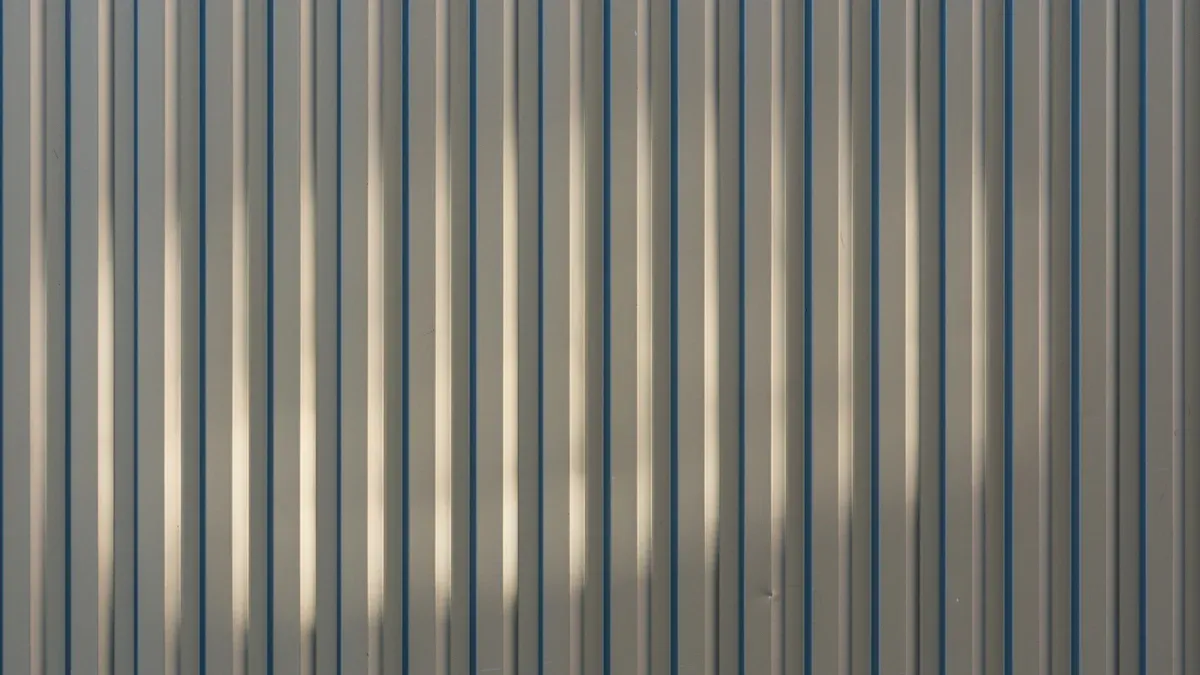
A galvanized steel composite panel has layers of galvanized steel coil and a polyethylene core. MC BOND makes these panels to protect against rust and damage from the environment. The zinc coating on the steel works like a shield. It helps the panel last longer in tough places. MC BOND cares about the planet and uses new technology to make strong panels. These panels meet high quality rules. Builders pick galvanized steel composite panels because they are light and fight rust well. These panels help modern buildings stay strong and last long without being heavy.
MC BOND uses three main things to make each galvanized steel composite panel:
Galvanized steel coil (top and bottom layers):
MC BOND picks steel with a pure zinc coating. This zinc keeps the steel safe from rust and makes it strong. The steel meets world quality standards and can be tracked for safety.
Polyethylene (PE) core:
The core is made from good polyethylene. This material is light and tough. It makes the panel stiff and helps it pass fire and safety tests. MC BOND tries to use materials that are good for the earth.
Surface coatings:
MC BOND puts special coatings on the galvanized steel coil. These coatings stop scratches and make the panel look nice. Every panel is checked and tested before it is sent out.
The zinc coating is very important for stopping rust. It makes a barrier and acts as a layer that protects the steel under it. The table below shows key facts about pure zinc coatings used in galvanized steel composite panels:
Property | Description / Value | Significance for Zinc Coating |
|---|---|---|
Density | ~7.85 g/cm³ | Helps keep the panel strong |
Melting Point | Steel: ~1370–1530°C; Zinc: ~419°C | Shows how hot the metals can get |
Tensile Strength | 250–550 MPa | Tells how much force the panel can take |
Hardness | 50–150 HV | Shows how tough the surface is |
Corrosion Resistance | High due to zinc barrier | Makes the panel last longer |
Surface Appearance | Matte to shiny | Changes how the panel looks |
Galvanic Protection | Zinc acts as sacrificial anode | Keeps steel safe even if scratched |
MC BOND works hard to make sure every galvanized steel composite panel is high quality and safe for the environment. The mix of galvanized steel coil, zinc coating, and new materials makes these panels a smart pick for builders who want strong panels that fight rust.
Galvanized steel composite panels have two steel layers. MC BOND uses galvanized steel coil for the top and bottom. These steel layers make the panel strong and safe. Each side of the steel sheet gets a zinc coating. The zinc coating is between 0.001 inches and 0.004 inches thick. When both sides are coated, the total thickness is 0.002 to 0.008 inches. This coating helps stop rust and keeps the steel safe. Builders use these steel layers for strength and protection. The steel layers help the panel last in tough places.
The zinc coating works like a shield. It stops rust and keeps the panel strong in hard conditions.
The middle of the panel is made of polyethylene. MC BOND picks good polyethylene to keep the panel light and stiff. The core helps the panel take hits and stay strong. Polyethylene passes safety and fire tests. The table below shows how strong the polyethylene core is:
Mechanical Property | Value |
|---|---|
Hardness (Rockwell R) | 100 HRR |
Ultimate Tensile Strength | 85 MPa |
Yield Tensile Strength | 65 MPa |
Elongation at Break | 50% |
Modulus of Elasticity | 2000 MPa |
Flexural Yield Strength | 70 MPa |
Compressive Yield Strength | 80 MPa |
Shear Strength | 50 MPa |
Izod Impact (Notched) | 15 J/m |
Polyethylene cores are good at taking hits and bending. But they do not have the best fire safety. Polyethylene is light and costs less. It does not meet strict fire rules for tall buildings.
Surface coatings help protect galvanized steel composite panels. MC BOND uses hot-dip galvanizing to add a thick zinc layer. This covers the steel all over, even on the edges and corners. Electro-galvanizing puts on a thin, smooth zinc layer. This layer protects the steel and lets people paint or decorate it. MC BOND also adds special coatings after, like passivation or chromate conversion. These coatings help stop rust and make the panel look better. The coatings keep the panel safe and looking nice for a long time.
Surface coatings give extra safety. They help the panel fight scratches, hits, and rust. This makes the panel last longer in many places.
The process starts with hot-dip galvanizing. This gives the steel a zinc coating. The zinc helps the steel fight rust and last longer.
Cleaning and Preheating: Workers wash the steel strip with strong cleaners and brushes. This step gets rid of oil, dirt, and iron bits. Then, the steel is heated up.
Pickling: The steel goes into an acid bath. This removes the rough layer on the surface.
Rinsing: The steel is washed to take away any leftover cleaner or acid.
Flux Application: Workers put on zinc ammonium chloride. This stops the steel from rusting and helps the zinc stick.
Galvanizing: The steel is dipped in hot, melted zinc. The zinc sticks to the steel and forms a strong layer.
Cooling: The steel cools down in a water tank. This keeps the zinc layer in place.
Inspection: Workers check the steel for problems. They look for the right thickness and a smooth finish before cutting and rolling.
The zinc layer works like a shield. It keeps the steel safe from rust and damage, so the panel lasts longer.
Quality checks are very important. The table below shows some main checks for galvanized steel:
Quality Control Measure | Description | Importance for Corrosion Resistance |
|---|---|---|
Coating Thickness Measurement | Measures how thick the zinc layer is using ASTM rules. | Thicker layers protect better against rust. |
Visual and Tactile Inspection | Looks for bumps, lumps, or bare spots. | Makes sure the whole steel is covered. |
Adherence Testing | Checks if the zinc sticks well to the steel. | Good sticking keeps the steel safe. |
Appearance and Finish Inspection | Looks for drips, runs, or other problems. | Problems can make the panel weaker and look bad. |
Specification Compliance | Makes sure all checks follow ASTM rules. | This means the panel meets building rules. |
Workers also fix surface problems, clean off grease, and watch the time between cleaning and coating. They check the air temperature and humidity to stop problems with the zinc. These steps help get the steel ready for the next part.
After galvanizing, the next step is lamination and bonding. This joins the galvanized steel layers to the polyethylene core. Special glues are used to make a strong bond.
MC BOND uses glues like acrylic, urethane, and epoxy. These glues work well with both steel and polyethylene. Acrylic glue makes a thin, weatherproof bond. Urethane glue adds strength and helps the panel handle shaking. Epoxy glue is very strong and can take hard hits.
The process uses continuous lamination. Workers spread glue on the steel sheets. They put the polyethylene core between the steel layers. The panel goes through rollers or presses. Heat and pressure stick the layers together. The finished panel is flat and strong with no empty spaces.
Adhesive Type | Description | Application in Steel-PE Bonding |
|---|---|---|
uniBOND Polyethylene Adhesives (uniBOND-PE) | Sticks polyethylene cores to steel. Comes in one or two steps. | Used to make composite panels. |
uniBOND Vinyl Adhesives (uniBOND L) | Sticks vinyl to metal. Used in coil coating. Comes in one or two steps. | Used for vinyl layers in panels. |
uniBOND Rubber Adhesives | Sticks metal to metal. Adds insulation and blocks sound. | Used when joining metal to metal. |
MC BOND picks the best glue for each panel. The right glue keeps the steel and core together, even in bad weather or heat.
The last step is coating application. This gives extra protection to the panel. The coatings help the panel fight scratches, weather, and chemicals.
Manufacturers use different coating methods:
Electrophoresis: This uses electricity to put on a coating. It controls how thick the coating is and helps it stick to the steel.
Sol–gel Process: Workers use a special mix to make a tough, three-dimensional coating. Tiny particles make it stronger.
Hydrophobization: This treatment makes the surface push away water. It helps the panel stay dry and clean in wet places.
Tests check how well the coatings protect the panel. They look at how well the coating sticks, fights rust, and stays strong when scratched.
Workers test the coatings by checking how well they stick and using electric tests. They look for signs of zinc rust and see how much salt the surface can take. If the zinc layer gets too thin or salt builds up, the panel may need more cleaning before coating. The best coatings stay on and protect the steel, even if scratched.
MC BOND uses these new coating methods to make sure every panel is strong. The coatings and zinc layer help the panel last a long time and look good.
Galvanized steel composite panels help keep buildings safe from rust. The zinc coating on the steel works like a shield. If the panel gets scratched, the zinc still protects the steel. This is called sacrificial protection. These panels are good for places that get a lot of use. The table below shows how galvanized steel composite panels and aluminum composite panels compare:
Aspect | Galvanized Steel Composite Panels | Aluminum Composite Panels |
|---|---|---|
Protective Layer | Zinc coating acts as a barrier and provides sacrificial protection | Natural oxide layer that is thin, self-repairing, and protective |
Corrosion Mechanism | Zinc corrodes instead of steel if damaged, protecting the steel | Oxide layer prevents further oxidation, self-repairs if damaged |
Environmental Suitability | Best for environments with physical abrasion and wear | Best for high moisture, saltwater, or high humidity environments |
Maintenance | Requires periodic maintenance or re-coating to maintain protection | Minimal maintenance due to natural oxide layer |
Longevity | Depends on coating thickness and environment; maintenance extends life | Generally long-lasting with minimal upkeep |
Cost Implications | Potentially higher due to maintenance and re-coating | Typically lower due to inherent corrosion resistance |
The zinc layer helps stop rust and keeps the panel strong for a long time.
Galvanized steel composite panels are strong but not heavy. The steel layers make the panel tough. The polyethylene core keeps it light. This makes the panels easy to carry and put in place. The table below shows how much force these panels can take:
Property | Value |
|---|---|
Ultimate Tensile Strength | 85 MPa |
Yield Tensile Strength | 65 MPa |
The steel can handle heavy things and hard hits. Builders use these panels where strength and low weight are important. mc bond makes sure each panel meets safety rules.
Galvanized steel composite panels can be used in many ways. Architects use them for stores, offices, and rain-screen systems. These panels come in many colors and finishes. mc bond has panels that look like metal, wood, or other custom styles. Builders can put them up in different directions, like sideways or up and down.
Point of Sale Displays: Good for stores because they are strong and look nice.
Menu Boards: Simple to clean and change.
Interior and Exterior Signage: Can be used inside or outside because they resist weather.
Ceiling and Wall Panels: Make rooms look better and work better.
Real Estate Signs: Last a long time outside.
Galvanized steel composite panels give builders and designers many choices for looks and how well they work.
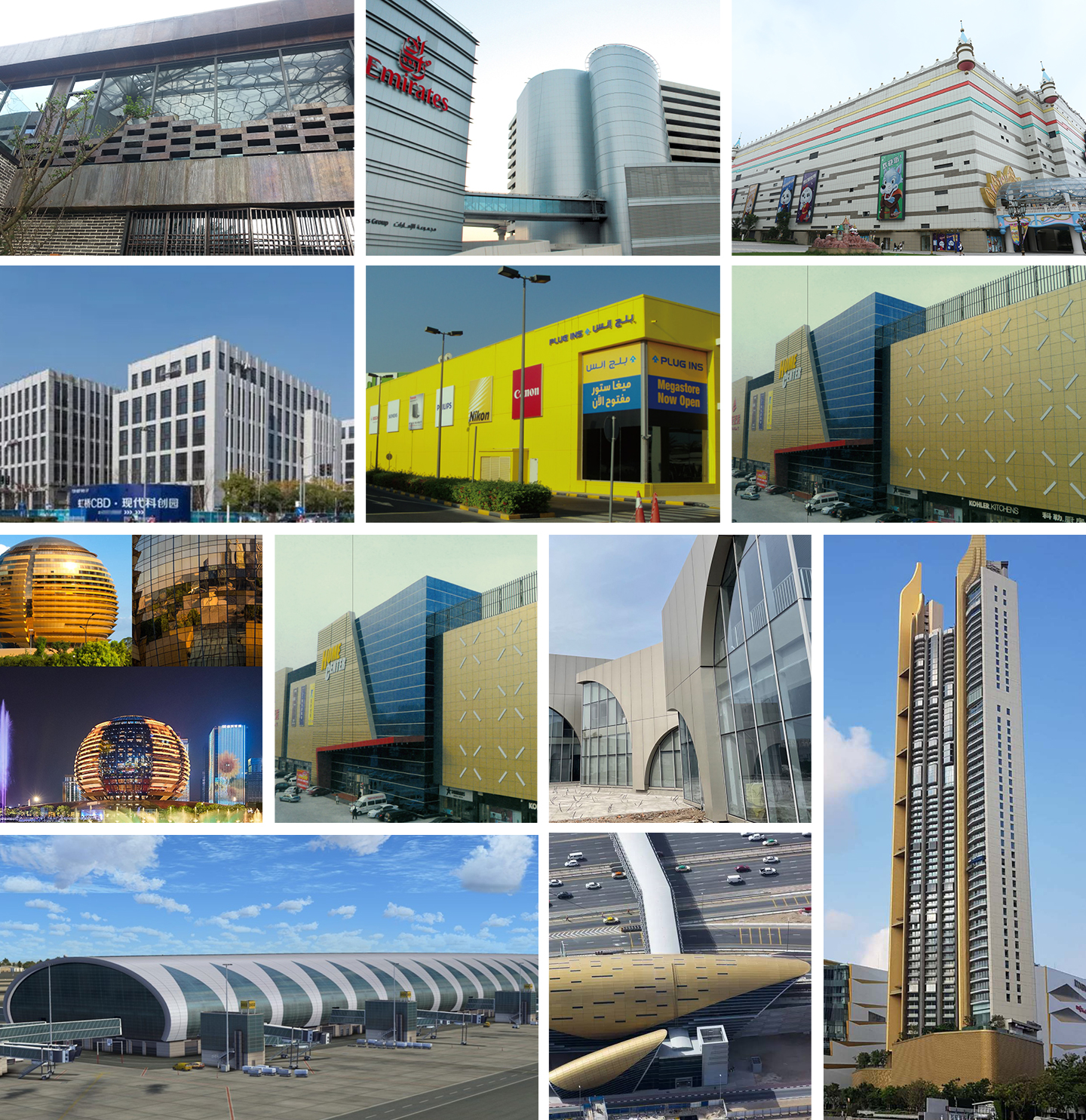
Galvanized steel composite panels are important for building facades today. Architects pick these panels because they save energy and can be used in many ways. The panels help buildings stay warm in winter and cool in summer. This means buildings use less energy for heating and cooling. It also helps people save money on bills. The panels are light, so they are easy to put up. They do not make the building too heavy. Builders can use these panels with other insulation to make buildings even better.
The panels keep heat and cold out.
They help rooms stay comfortable.
They can be recycled, which is good for the planet.
Using these panels can help buildings get awards like LEED.
mc bond makes panels that fit these needs. This makes them a good choice for green buildings.
Sign makers use galvanized steel composite panels for signs inside and outside. The panels have two thin galvanized steel layers and a polyethylene core. This makes signs strong and able to take hits. The panels protect signs from rain and wet weather. Signs made with these panels stay in good shape for a long time. They do not bend or break easily. The panels let people print bright and clear pictures on signs.
People use these panels for:
Displays in stores
Boards for menus
Signs inside and outside buildings
Signs for selling houses
Big signs for places
Boards you can write on and erase
These things make the panels great for signs that last and look nice.
People who make things for transportation use galvanized steel composite panels a lot. They use these panels in shipping boxes, trailers, and train cars. The zinc coating stops rust and keeps the panels safe from bad weather. The panels are strong and tough. They can handle heavy loads and lots of use. This means trucks and trains last longer and need fewer repairs.
The panels do not rust in hard places.
They help vehicles and boxes stay strong.
They last a long time, so you do not need new ones often.
Galvanized steel composite panels help keep trucks, trains, and containers safe and working well.
A galvanized steel composite panel has galvanized steel layers and a polyethylene core. mc bond makes these panels with strong zinc coatings and special glues. The steps include galvanizing, sticking the layers together, and adding coatings. These panels do not rust easily. They are light and last for years. Builders use them in many projects. They are strong, safe, and simple to put in place.
Galvanized steel composite panels from mc bond help buildings stay strong and look nice.
Galvanized steel composite panels have a polyethylene core in the middle of two steel layers. This makes them lighter and stronger than regular steel panels. mc bond adds special coatings to give more protection.
Yes, you can recycle these panels. Both the steel and the polyethylene core can be recycled. mc bond uses parts that are good for the earth.
If you take care of them, these panels can last more than 20 years. The zinc coating keeps the steel safe from rust and harm. mc bond checks every panel to make sure it is strong.
Yes, these panels are safe to use inside. The polyethylene core passes safety tests. mc bond looks at each panel for fire safety and quality.
Building facades
Signage
Transportation vehicles
Interior walls
mc bond makes panels for many jobs in building and industry.


