
Views: 0 Author: Site Editor Publish Time: 2025-11-08 Origin: Site


Are you planning an outdoor project and wondering if galvanized steel panels are the right choice? These panels are steel sheets coated with zinc to prevent rust and corrosion. Choosing the right material is crucial for long-lasting outdoor structures. In this post, you'll learn about the benefits of using galvanized steel panels, including their durability, corrosion resistance, and low maintenance needs.
Hot-dip galvanization is the most common method to protect steel for outdoor use. The steel panels are cleaned thoroughly first to remove dirt, oil, and rust. Then they are dipped into a bath of molten zinc heated to around 450°C (842°F). The zinc bonds metallurgically with the steel, forming a series of zinc-iron alloy layers topped by a pure zinc layer.
This process creates a thick, durable coating that clings tightly to the steel surface. The coating is much thicker and more robust than paint or electroplated zinc layers. The result is a tough barrier that shields the steel from moisture, oxygen, and other corrosive elements.
The zinc coating acts as a sacrificial anode. When exposed to the environment, zinc corrodes before the steel beneath it does. This sacrificial corrosion protects the steel from rusting even if the coating is scratched or damaged.
Additionally, zinc forms a protective patina over time. This patina is a layer of zinc carbonate that further prevents moisture and air from reaching the steel. Because of this self-healing property, galvanized steel panels can last 20 to 50 years outdoors depending on the zinc thickness and environment.
Besides hot-dip galvanization, other methods include:
Electro-galvanization: Zinc is applied by electroplating. The coating is thinner and less durable, making it less suitable for harsh outdoor conditions.
Zinc spraying: Molten zinc is sprayed onto steel. It provides uneven coverage and lower corrosion resistance.
Sherardizing: Zinc powder is diffused onto steel in a heated rotating drum. This method yields a thin coating mainly used for small parts.
Hot-dip galvanization remains the preferred choice for outdoor steel panels due to its thick, uniform coating and superior corrosion protection. It’s cost-effective and provides long-lasting durability that other methods struggle to match. Choose hot-dip galvanized steel panels for outdoor projects requiring strong, long-term corrosion resistance and minimal maintenance.
Galvanized steel panels shine outdoors thanks to their zinc coating. This layer acts as a shield, preventing moisture and oxygen from reaching the steel beneath. Even if the coating gets scratched, the zinc sacrifices itself by corroding first, protecting the steel from rust. Over time, a protective patina forms, further guarding against corrosion. Depending on the thickness of this zinc layer and environmental conditions, galvanized steel can last anywhere from 20 to 50 years outdoors. This makes it a smart choice for projects needing long-term durability.
Outdoor environments can be tough. Rain, snow, wind, and sun all challenge building materials. Galvanized steel panels handle these harsh elements well. The zinc coating prevents rust, while the steel core resists warping, cracking, or breaking. These panels endure heavy winds, hailstorms, and temperature fluctuations without losing strength or shape. Whether used for roofing, fences, or sheds, galvanized steel maintains structural integrity for many years, even in extreme conditions.
One major perk of galvanized steel is how little upkeep it demands. Unlike untreated steel that needs frequent painting or rust treatment, galvanized steel only requires occasional cleaning. A simple wash with soap and water removes dirt and debris, keeping it looking good and functioning well. This low maintenance reduces costs and labor over time, making galvanized steel panels a hassle-free option for outdoor projects. For outdoor projects, choose galvanized steel panels with thicker zinc coatings to maximize corrosion resistance and lifespan.
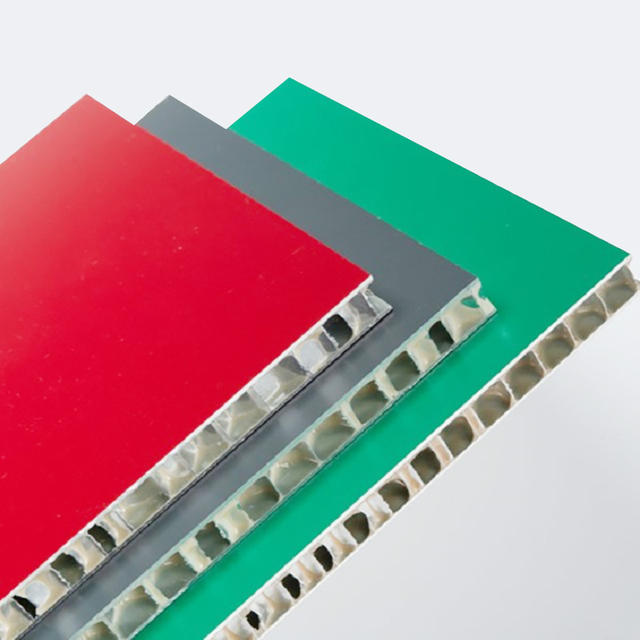
Galvanized steel panels are widely used in many outdoor structures because they offer strength, protection, and versatility. Their zinc coating shields the steel from rust and corrosion, making them ideal for projects exposed to the elements. Let’s explore some common outdoor structures that benefit from galvanized steel panels and how their design flexibility supports various construction needs.
Galvanized steel panels are popular in many outdoor applications due to their durability and resistance to weather. Some of the most common structures include:
Sheds: Galvanized steel panels provide a sturdy, rust-resistant shell for storage sheds. They protect tools, equipment, and supplies from rain, sun, and snow.
Carports: These panels form strong roofs and walls that shield vehicles from harsh weather. Their corrosion resistance ensures long-lasting protection without frequent repairs.
Fences: Galvanized steel panels create secure, low-maintenance fences. They withstand wind, rain, and temperature changes without warping or rusting.
Roofing and siding: Many outdoor buildings use galvanized steel panels for roofs or siding. The panels’ toughness helps them resist hail, heavy rain, and UV damage.
Greenhouses and pergolas: Their versatility allows galvanized steel panels to be shaped and sized for garden structures, combining function and style.
Sheds built from galvanized steel panels last longer than wood or untreated steel. They resist rot, pests, and corrosion, reducing maintenance.
Carports made from galvanized steel offer a cost-effective way to protect vehicles and outdoor equipment. The panels’ weather resistance means fewer replacements over time.
Fences using galvanized steel panels provide a clean, modern look while offering strong protection. They require little upkeep even in coastal or industrial environments.
Galvanized steel panels come in various thicknesses, sizes, and finishes. This variety lets builders customize structures to meet specific needs:
They can be cut and shaped easily, fitting unique designs.
Panels can be painted or coated for added aesthetics and protection.
Their strength allows for large spans without extra support.
Lightweight properties make installation easier and faster.
This versatility makes galvanized steel panels suitable for both simple and complex outdoor projects. Whether you want a basic storage shed or an architecturally interesting pergola, galvanized steel panels adapt well. When planning outdoor structures, consider galvanized steel panels for their strength, weather resistance, and design flexibility to ensure durable, low-maintenance results.
Galvanized steel panels usually cost more upfront than untreated steel or some other materials. The zinc coating process adds expense, especially if the coating is thick. However, this initial investment pays off over time. The panels resist rust and corrosion, so they don’t need frequent repairs or replacements. This durability means fewer maintenance costs and less downtime for repairs. Over the lifespan of a project, galvanized steel often proves more economical than cheaper materials that degrade quickly outdoors.
Compared to wood, aluminum, or plastic, galvanized steel offers a strong balance of cost and performance. Wood may be cheaper initially but requires regular painting, sealing, and repairs due to rot and insect damage. Aluminum resists rust but tends to be pricier and less strong structurally. Plastic materials are low-cost but lack the strength and longevity needed for many outdoor structures. Galvanized steel stands out for its durability, strength, and resistance to harsh weather, making it a cost-effective choice for many projects.
Several factors affect the price of galvanized steel panels:
Zinc coating thickness: Thicker coatings increase corrosion resistance but raise the cost. Choose coating thickness based on environmental exposure.
Panel thickness and size: Thicker steel panels cost more but offer greater strength and durability.
Finish and coatings: Additional paint or powder coatings add protection and aesthetics but increase price.
Manufacturing complexity: Custom shapes or sizes may cost more due to extra processing.
Market conditions: Steel and zinc prices fluctuate, impacting overall panel costs.
Understanding these factors helps you select panels that meet your budget and project needs without compromising quality. Evaluate both upfront costs and expected maintenance savings when choosing galvanized steel panels to maximize your project’s long-term value.
Selecting the appropriate zinc coating for galvanized steel panels is crucial to ensure they perform well outdoors. The coating thickness and type influence the panel’s lifespan and resistance to corrosion in various environments.
Different environments demand different zinc coating thicknesses:
Indoor use: Lighter coatings like Z10 or Z12 (100–120 g/m²) suffice since exposure to moisture and corrosive elements is minimal.
Suburban areas: Moderate exposure calls for Z20 (200 g/m²) coatings, often combined with paint for extra protection.
Urban or industrial areas: These environments expose steel to pollutants and higher corrosion risks. Z27 (270 g/m²) or G90 (American standard) coatings are recommended, usually paired with paint to extend durability.
Coastal areas: Salt spray accelerates corrosion, so thicker coatings than Z27 or G90 are necessary. Painting is also highly advised to shield the steel further.
Stamping or deep drawing applications: Thinner coatings than Z27 are used to avoid peeling during forming processes.
The thicker the zinc layer, the longer the galvanized steel panel will resist corrosion. For example:
A Z30 coating (300 g/m²) can last over 20 years in rural environments.
Z60 or G60 coatings are suitable for wet but less corrosive places, offering longer protection.
In harsh marine or industrial settings, Z90 or G90 coatings can extend service life up to 50 years.
Choosing a coating too thin for the environment risks early rust and structural damage. Conversely, over-specifying thickness can increase costs unnecessarily.
To pick the right zinc coating:
Assess the environment: Consider moisture, pollution, salt exposure, and mechanical wear.
Match coating thickness: Use industry standards or manufacturer recommendations for your environment.
Consider additional treatments: Paint or powder coatings add layers of protection, especially in tough settings.
Factor in fabrication needs: If panels require stamping or bending, choose coatings that won’t crack or peel.
Balance cost and durability: Thicker coatings cost more but reduce maintenance and replacement expenses over time.
By carefully selecting the zinc coating, you ensure galvanized steel panels remain strong, rust-free, and visually appealing throughout their lifespan. For outdoor projects, always choose zinc coatings suited to the specific environment and consider added paint layers to maximize corrosion resistance and extend panel life.
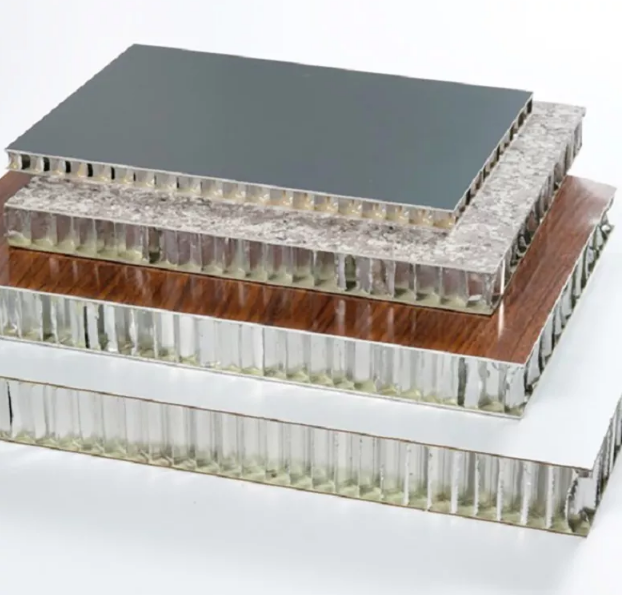
When considering alternatives to galvanized steel panels for outdoor use, galvalume steel often comes up. Galvalume is steel coated with an alloy of zinc and aluminum, offering different properties than galvanized steel. The aluminum in galvalume provides superior heat resistance and corrosion protection, especially in high-temperature or coastal environments. Galvalume panels typically last longer than galvanized steel in harsh conditions, sometimes up to four times longer according to manufacturer data.
Other alternatives include stainless steel, aluminum, and coated steels such as PPGI (pre-painted galvanized iron) or PPGL (pre-painted galvalume). Stainless steel resists corrosion extremely well but costs significantly more and is heavier. Aluminum is lightweight and rust-proof but lacks the strength of steel and can dent more easily. Pre-painted steels provide aesthetic options and additional protection but depend on the paint’s durability.
| Material | Advantages | Disadvantages |
|---|---|---|
| Galvalume | Better corrosion resistance, heat resistance | Higher cost, less weldable than galvanized steel |
| Stainless Steel | Excellent corrosion resistance, low maintenance | Very expensive, heavier, harder to fabricate |
| Aluminum | Lightweight, rust-proof | Lower strength, dents easily, higher cost |
| PPGI/PPGL | Wide color range, extra protection | Paint may peel or fade, needs repainting over time |
Galvalume is ideal for projects needing long-lasting corrosion resistance and heat tolerance but where cost is less of a concern. Stainless steel suits highly corrosive environments or aesthetic projects needing minimal upkeep but is often overkill for typical outdoor structures. Aluminum fits lightweight needs but may fail under heavy loads or impact. Painted steels offer design flexibility but require maintenance of the finish.
Choosing the right material depends on several factors:
Environment: Coastal or industrial areas need superior corrosion resistance. Galvalume or stainless steel may outperform galvanized steel here.
Budget: Galvanized steel offers a good balance of cost and durability. Stainless steel is costly but long-lasting.
Structural requirements: Steel’s strength is important for load-bearing structures. Aluminum may not suffice.
Maintenance: Painted options require upkeep; stainless steel and galvalume need less.
Fabrication needs: Galvanized steel is easier to weld and form than galvalume or stainless steel.
Evaluate your project’s specific needs carefully. Sometimes a hybrid approach, such as galvanized steel with a protective paint layer, offers the best mix of durability, cost, and appearance.
Tip: When selecting outdoor panel materials, weigh environmental exposure, budget, and maintenance demands to choose between galvanized steel, galvalume, stainless steel, or aluminum for optimal performance.
Galvanized steel panels offer excellent corrosion resistance, durability, and low maintenance, making them ideal for outdoor use. Their zinc coating acts as a protective shield, ensuring longevity even in harsh weather conditions. For projects demanding long-lasting solutions, galvanized steel is a smart choice. Consider the benefits of galvanized steel for your next outdoor project. MC BOND provides quality galvanized steel panels that deliver reliable performance and value.
A: Galvanized steel panels are steel sheets coated with zinc to prevent rust and corrosion, ideal for outdoor use.
A: The zinc coating on galvanized steel panels acts as a sacrificial anode, corroding before the steel and forming a protective patina.
A: Galvanized steel panels offer durability, low maintenance, and cost-effectiveness compared to other materials like aluminum or stainless steel.
A: Yes, though initially more expensive, galvanized steel panels save on maintenance and replacement costs over time.


