
- All
- Product Name
- Product Keyword
- Product Model
- Product Summary
- Product Description
- Multi Field Search
 English English
 Views: 0 Author: Site Editor Publish Time: 2025-11-05 Origin: Site


Aluminum panel ceilings are revolutionizing modern architecture. Unlike traditional galvanized steel panels, aluminum offers unmatched durability and versatility. Why are architects and designers increasingly choosing aluminum for ceiling solutions? In this post, you'll learn about the advantages of aluminum panel ceilings, including their durability, design flexibility, and energy efficiency. Discover why they are a preferred choice for various applications, from residential to industrial settings.
Aluminum panel ceilings shine when it comes to resisting corrosion and moisture. Aluminum naturally forms a thin oxide layer that acts like a shield against rust and decay. This protective barrier keeps the panels looking fresh and structurally sound, even in humid or damp environments like kitchens, bathrooms, or outdoor covered areas. Unlike steel or wood, aluminum won’t warp, rot, or stain over time due to moisture exposure. This durability makes it ideal for spaces where moisture is a constant challenge.
When compared to other ceiling materials, aluminum panels stand out for their longevity. Wood ceilings may suffer from mold, warping, or termite damage, while galvanized steel panels can corrode if their protective coating is scratched or worn. Vinyl or plastic panels might discolor or crack under prolonged sun exposure. Aluminum combines lightweight strength with corrosion resistance, offering a longer service life with less maintenance.
For example, aluminum panels can last 30 years or more without significant wear, whereas other materials might need replacement or repair within a decade. This translates into lower lifecycle costs and fewer disruptions from repairs or replacements.
Weather Resistance: Aluminum panels hold up well outdoors, resisting UV rays and harsh weather without fading or cracking.
Stain and Dirt Resistance: Their smooth surfaces repel dirt and stains, keeping ceilings looking clean longer.
Low Maintenance: Aluminum requires minimal upkeep—usually just occasional cleaning to maintain appearance.
These durability traits make aluminum panel ceilings a smart investment for commercial, industrial, and residential projects seeking long-term value.
Note: Choosing aluminum panels can reduce maintenance costs by up to 25% compared to wood or vinyl alternatives, improving your building’s total cost efficiency over time.
Aluminum panel ceilings offer impressive design flexibility. They come in many finishes like brushed, anodized, or powder-coated surfaces. These finishes let designers match ceilings to any style or color scheme. Patterns can be simple grids or intricate geometric shapes, giving spaces unique character. For example, offices often use sleek matte finishes for a modern look, while retail spaces might choose glossy or textured panels to catch attention. This range of options means aluminum panels can suit everything from minimalist designs to bold, artistic ceilings.
Aluminum panels blend seamlessly into modern architecture. They complement styles ranging from contemporary and industrial to high-tech and minimalist. Their clean lines and smooth surfaces create a polished, professional feel. Plus, aluminum pairs well with other materials like glass, steel, and wood, helping architects craft cohesive interiors. For instance, in open-plan offices, aluminum ceilings help define zones without walls, enhancing flow and openness. Their reflective qualities also boost natural and artificial light, brightening spaces while keeping a sophisticated look.
Lighting Compatibility: Aluminum panels can be customized to fit various lighting fixtures, allowing creative lighting designs without disrupting the ceiling’s appearance.
Curved and Sculptural Forms: Panels can be bent or shaped, enabling ceilings with curves, waves, or multi-level designs that add depth and interest.
Brand Identity Integration: Companies can customize panel colors and finishes to reflect their brand, making ceilings part of the overall visual identity.
This versatility makes aluminum panel ceilings a favorite choice for architects and designers aiming to combine aesthetics with function. Specify panel finishes and patterns early in the design phase to ensure seamless integration with lighting and interior elements, saving time and costs during installation.
Aluminum panel ceilings, especially those with insulation, offer excellent thermal resistance. They act as barriers that slow heat transfer between indoor and outdoor environments. This means buildings stay cooler in summer and warmer in winter without overworking HVAC systems. The lightweight aluminum combines with insulating materials like foam or mineral wool to create panels that deliver strong energy-saving performance. These insulated panels reduce heat loss and gain, helping maintain a steady indoor temperature year-round.
For example, insulated aluminum roof panels can lower energy demand by up to 20% compared to non-insulated alternatives (this figure varies by climate and installation specifics). This efficiency reduces carbon footprints and aligns with green building goals. Their reflective surfaces also bounce sunlight away, minimizing heat absorption on rooftops and ceilings.
Using aluminum panels with thermal insulation can significantly cut heating and cooling expenses. By stabilizing indoor temperatures, they reduce the workload on HVAC units. This translates into lower utility bills and less wear on equipment, extending its lifespan. Studies show buildings with insulated aluminum ceilings can save around 30% on HVAC energy costs, making them a smart investment for both commercial and residential projects.
Additionally, consistent temperatures improve occupant comfort and productivity. Offices, schools, and healthcare facilities benefit from fewer temperature swings and drafts. This comfort boost often leads to better satisfaction and wellbeing.
Reduced Thermal Bridging: Aluminum panels are designed to minimize thermal bridging, preventing unwanted heat flow through structural connections.
Compatibility with Green Technologies: These panels work well with solar reflective coatings and ventilation systems, enhancing overall building efficiency.
Lightweight for Structural Savings: Their light weight reduces the need for heavy structural support, which can lower construction costs and embodied energy.
In sum, aluminum panel ceilings contribute to energy-efficient buildings by combining insulation, reflectivity, and durability. They help lower operational costs, support sustainability, and improve indoor environments. When selecting aluminum panels, choose options with integrated insulation and reflective coatings to maximize energy savings and HVAC cost reductions.
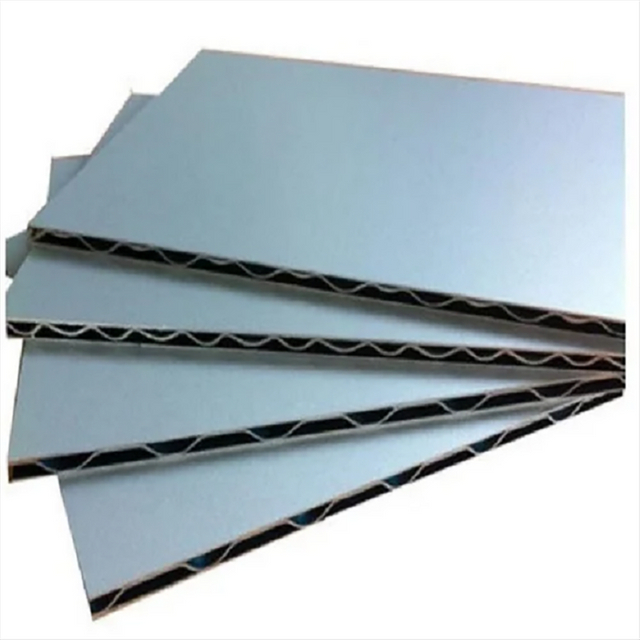
One of the biggest perks of aluminum panel ceilings is how lightweight they are. This makes handling and installing them much easier compared to heavier materials like steel or wood. Because aluminum panels weigh less, contractors can move and fit them quickly, speeding up the entire installation process. This lightweight nature also reduces the need for heavy equipment or extra labor, which helps keep project costs down. For large commercial projects, this can mean finishing ceiling work faster, allowing other trades to proceed without delays.
Moreover, lighter panels put less stress on the building’s structure. This can reduce the need for additional support framing, saving time and money during construction. The ease of transport and storage also improves logistics, especially on tight job sites.
Aluminum panel ceilings are highly adaptable, making them excellent for retrofitting older buildings. Their slim profile and modular design allow them to fit into existing ceiling grids or frameworks without major demolition or reconstruction. This means you can upgrade a space’s look and performance without extensive downtime or high renovation costs.
For example, in historic buildings where preserving original architecture is important, aluminum panels can be installed beneath existing ceilings or integrated subtly to maintain character while improving durability and appearance. Their corrosion resistance and low maintenance also add value to retrofit projects, reducing future upkeep efforts.
Additionally, aluminum panels can be customized to match the style and color of existing interiors, making the transition seamless. This adaptability makes them a popular choice in renovations across commercial offices, healthcare facilities, and educational institutions.
Many aluminum ceiling panels come in modular systems that snap or lock together easily. This design allows installers to assemble the ceiling rapidly and accurately. Modular systems reduce the chance of errors and misalignment, which can occur with traditional ceiling tiles or panels.
Because modular panels are pre-fabricated, they often include cutouts for lighting, HVAC vents, and sprinkler systems, making installation even more straightforward. This precision prevents the need for on-site modifications, saving time and labor. In fast-paced construction environments, modular aluminum ceilings can cut installation time by nearly 50% compared to conventional methods.
The ability to quickly remove and replace individual panels also simplifies maintenance and repairs. Building managers can access utilities hidden above ceilings without damaging the structure, reducing downtime and repair costs. Choose modular aluminum panel systems for retrofit projects to speed up installation and minimize disruption while ensuring easy future maintenance.
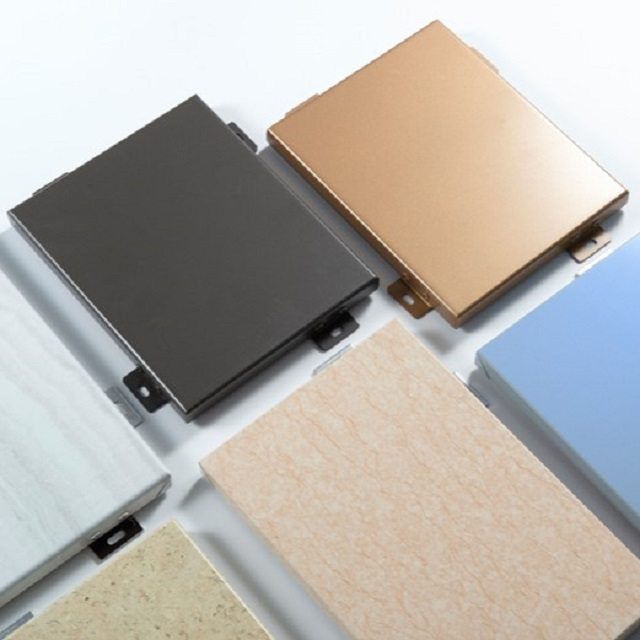
Aluminum panel ceilings do a great job at reducing unwanted noise. Their design often includes perforated surfaces that allow sound waves to pass through and get absorbed by insulation materials behind them, such as mineral wool or acoustic foam. This setup helps lower noise levels in busy spaces like offices, conference rooms, and public areas. By cutting down on sound reflection, aluminum panels create a quieter environment that boosts focus and comfort. For example, studies show some aluminum acoustic panels can block up to 40% of ambient noise, making them a smart choice for workplaces needing better sound control.
Large open spaces often suffer from echo and noise pollution that disrupt conversations and concentration. Aluminum ceilings help tackle this by breaking up sound waves and absorbing excess noise. Their ability to reduce echo makes them popular in shopping malls, airports, and schools where clear communication matters. Properly installed aluminum panels can cut overall noise levels by about 30%, improving the acoustic quality of the space significantly. This noise reduction not only enhances occupant comfort but also contributes to healthier environments by lowering stress caused by constant background noise.
Drop ceiling systems using aluminum panels provide flexible acoustic solutions. These systems are modular, allowing easy installation of sound-absorbing panels in ceilings where noise control is critical. For instance, open-plan offices benefit from aluminum drop ceilings that reduce sound transmission between workstations, enhancing privacy and productivity. The micro-perforations on panels are subtle and don’t compromise the ceiling’s sleek look, so aesthetics remain intact while improving sound quality. This combination of form and function makes aluminum acoustic ceilings a preferred choice for modern commercial interiors. Opt for perforated aluminum panels combined with acoustic insulation to maximize sound dampening while maintaining a clean, modern ceiling design.
Aluminum panel ceilings suit many commercial and residential spaces due to their durability, design flexibility, and low maintenance. In offices, retail stores, and hotels, aluminum panels create sleek, professional environments that last. Their corrosion resistance makes them ideal for kitchens, bathrooms, or indoor pools in homes, where moisture is common.
For example, commercial buildings benefit from aluminum ceilings because they resist stains and damage from cleaning agents. Residential properties enjoy modern looks and easy upkeep. The panels’ lightweight nature also speeds installation, reducing downtime in busy commercial settings or home renovations.
Industrial spaces demand ceilings that withstand harsh conditions. Aluminum panels resist chemicals, moisture, and temperature changes, making them perfect for factories, warehouses, or labs. Their durability reduces repair costs and downtime, keeping operations running smoothly.
Healthcare facilities require ceilings that are hygienic, easy to clean, and resistant to bacteria buildup. Aluminum panels meet these needs with smooth, non-porous surfaces that don’t harbor germs. They also tolerate frequent cleaning with disinfectants without degrading. Moreover, acoustic versions help reduce noise, improving patient comfort and privacy.
Educational Institutions: Aluminum ceilings improve acoustics in classrooms and auditoriums, aiding concentration.
Public Spaces: Airports and malls use aluminum panels for their aesthetic appeal and noise reduction.
Outdoor and Semi-Outdoor Areas: Aluminum panels withstand weather, making them suitable for covered walkways or patios.
Their versatility means aluminum panel ceilings fit nearly any environment, combining function and style. When selecting aluminum panel ceilings, consider specific environmental demands—such as moisture, hygiene, or noise control—to choose the right panel type and finish for each application.
| Advantage | Description |
|---|---|
| Durability and Longevity | Aluminum ceilings are highly durable, resistant to corrosion, moisture, and wear, making them long-lasting. |
| Design Flexibility | These ceilings can be customized to fit modern architectural styles, adding aesthetic value to interiors. |
| Energy Efficiency | Aluminum panels offer thermal insulation, helping in energy savings by maintaining indoor temperature. |
| Low Maintenance | Aluminum ceilings are easy to clean and require minimal maintenance, offering cost savings over time. |
| Noise Reduction | Aluminum panels help reduce noise pollution, especially in large commercial spaces, by absorbing sound. |
| Eco-friendly | Aluminum is a recyclable material, contributing to sustainable construction practices. |
| Easy Installation | Modular systems allow for quick assembly and easy integration into existing building structures. |
| Customization | Available in various finishes, colors, and textures to match different design preferences. |
| Cost-effectiveness | Compared to other ceiling materials, aluminum is often more affordable and offers a higher return on investment. |
Aluminum panel ceilings offer significant advantages, including durability, design versatility, and energy efficiency. They resist corrosion and moisture, ensuring longevity in various environments. Their lightweight nature facilitates easy installation and maintenance, while acoustic performance enhances comfort in busy spaces. Whether for commercial, residential, or industrial applications, these panels provide a blend of style and function. Choosing MC BOND aluminum panel ceilings ensures quality and value, making them an ideal choice for projects seeking long-term benefits.
A: Aluminum panel ceilings resist corrosion better than galvanized steel panels because aluminum naturally forms a protective oxide layer, whereas galvanized steel can corrode if its coating is damaged.
A: Aluminum panel ceilings with insulation provide excellent thermal resistance, reducing HVAC costs by maintaining stable indoor temperatures compared to non-insulated options like galvanized steel panels.
A: Aluminum panel ceilings are lightweight and modular, making them easy to install in existing structures without the extensive modifications required for heavier materials like galvanized steel panels.


