
- All
- Product Name
- Product Keyword
- Product Model
- Product Summary
- Product Description
- Multi Field Search
 English English
 Views: 0 Author: Site Editor Publish Time: 2025-11-06 Origin: Site


Ever wondered why galvanized steel panels are a popular choice in construction? These panels are not just ordinary steel; they're coated with zinc, offering a robust defense against rust. Understanding their rust resistance is crucial for long-lasting infrastructure. In this post, you'll learn about their unique properties and how they withstand harsh conditions, ensuring durability in various environments.
Before steel undergoes the hot-dip galvanizing process, it must first be thoroughly cleaned and pickled. This step is essential for removing dirt, oil, rust, and any other contaminants that might weaken the bond between the steel and the zinc coating. The steel is typically immersed in an acidic solution, which helps to remove any surface oxidation and prepare the steel for optimal bonding with the zinc. The result is a clean, smooth surface ready to accept the zinc coating, ensuring a strong and durable bond.
Once the steel has been properly cleaned and pickled, it is dipped into a bath of molten zinc, which is heated to approximately 450°C (842°F). During this process, the steel reacts with the molten zinc, forming a metallurgical bond between the two materials. As the steel is immersed in the zinc, a series of metallurgical layers are created, each adding a layer of protection against corrosion and wear. The galvanizing process is quick, allowing for large batches of steel panels to be galvanized simultaneously, providing an efficient and cost-effective solution for corrosion protection.
The hot-dip galvanizing process forms a robust chemical bond between the zinc and steel. This bond is crucial for the longevity of the galvanized steel, as it ensures the zinc coating adheres firmly to the steel’s surface. The result is a coating that is not only durable but also resistant to corrosion, physical damage, and wear. The zinc coating is made up of several layers, including the pure zinc layer and alloyed layers, which enhance the protective capabilities of the steel. This multi-layered coating ensures that the galvanized steel remains resistant to rust and deterioration for many years, even in harsh environments.
An essential feature of galvanized steel is its cathodic protection. Zinc acts as a sacrificial anode, meaning it corrodes before the underlying steel if the coating is scratched or damaged. This unique property ensures that the steel remains protected, as the zinc will corrode in place of the steel, preventing rust and damage to the core material. In the event of physical damage to the galvanized surface, the zinc sacrifices itself to protect the steel beneath, extending the life of the steel and maintaining its structural integrity.
Thanks to the combination of cleaning, pickling, the hot-dip galvanizing process, and the sacrificial protection provided by zinc, galvanized steel panels are designed to last for decades. The strong zinc-steel bond, along with the sacrificial and corrosion-resistant properties of zinc, makes galvanized steel a superior choice for a wide range of applications, from construction to infrastructure. Whether exposed to harsh weather, moisture, or chemicals, galvanized steel can withstand the elements and continue to provide lasting protection and durability.
Galvanized steel panels are highly resistant to rust, thanks to their zinc coating. The zinc forms a protective barrier, preventing water and oxygen from reaching the steel underneath, which are the main contributors to rust. This barrier shields the steel from corrosion, keeping it intact for much longer than untreated steel.
When zinc meets air, it reacts to form zinc oxide, a thin protective layer. This layer then interacts with moisture and carbon dioxide to create zinc carbonate, which is tough and water-resistant. The dull gray patina you often see on galvanized steel is this very layer of zinc carbonate, working to prevent further corrosion.
Zinc does more than just block rust—it also has a self-healing property. If the coating gets scratched or damaged, exposing the steel, zinc steps in as a sacrificial metal. It corrodes first, protecting the steel beneath from rusting. This process, known as cathodic protection, ensures that even if the surface is scratched, the zinc continues to safeguard the steel from corrosion.
Thanks to these protective mechanisms—barrier protection, chemical protection, sacrificial protection, and self-healing—galvanized steel panels last much longer than plain steel. In fact, they can often last for decades in various environments, making them ideal for both residential and industrial applications.
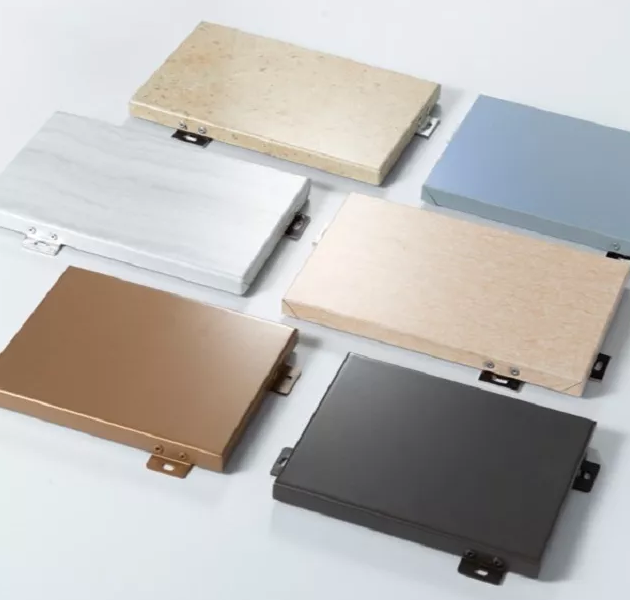
Galvanized steel panels are known for their rust resistance, but their longevity depends heavily on environmental factors. Understanding these conditions helps you choose the right panel and maintenance plan for your project.
Humidity plays a major role in how long galvanized steel lasts. When relative humidity stays above 60%, moisture lingers on the surface longer, speeding up zinc corrosion. Tropical climates or greenhouses often have high humidity, which can wear down the zinc coating faster.
Salt is another big factor. Coastal environments expose galvanized steel to saltwater spray or salty air. Salt accelerates corrosion by breaking down the protective zinc layers. Even small amounts of salt in the air can shorten the lifespan of galvanized panels near oceans or salt lakes.
Industrial pollutants, especially sulfur dioxide, can harm galvanized steel coatings. These pollutants react with moisture to form acidic compounds, which slowly eat away at the zinc layer. This process weakens the protective barrier and can lead to rust.
Acid rain, a byproduct of pollution, also damages galvanized steel. It contains acids that dissolve zinc carbonate, the tough outer layer protecting the steel beneath. Over time, acid rain exposure can cause the zinc coating to thin and rust to form.
Frequent Wet-Dry Cycles: Repeated soaking and drying cause tiny cracks in the zinc coating, letting moisture reach the steel.
Strong Alkalis: Materials like Portland cement or plaster can chemically attack the zinc when they contact the panel.
Moss and Lichen: These organisms trap moisture against the metal, creating a humid microclimate that speeds corrosion.
Soil Conditions: Buried galvanized steel faces risks from wet or acidic soils that degrade zinc faster.
Temperature: High heat alone doesn’t harm zinc unless combined with corrosive elements, which accelerate degradation.
| Environmental Factor | Effect on Galvanized Steel |
|---|---|
| High Humidity (>60%) | Speeds zinc corrosion, shortens lifespan |
| Salt Exposure | Accelerates zinc breakdown, causes rust |
| Sulfur Dioxide Pollution | Forms acid, corrodes zinc coating |
| Acid Rain | Dissolves protective zinc carbonate layer |
| Frequent Wet-Dry Cycles | Causes cracks, moisture penetration |
| Strong Alkalis | Chemical attack on zinc coating |
| Moss and Lichen Growth | Traps moisture, increases corrosion risk |
| Wet/Acidic Soil | Degrades zinc on buried steel |
| High Temperature | Speeds corrosion if combined with pollutants |
Tip: For coastal or industrial projects, specify galvanized steel with thicker zinc coatings and consider extra protective coatings to extend panel life.
Corrosion Resistance: Stainless steel contains chromium, which forms a stable oxide layer preventing rust. It offers excellent corrosion resistance even in harsh environments like coastal or chemical plants. Galvanized steel relies on a zinc coating for protection. While zinc provides strong rust resistance, it can wear away over time, especially under tough conditions.
Cost: Galvanized steel is generally much more affordable than stainless steel. This makes it attractive for large projects or where budget constraints exist. Stainless steel costs more due to its alloying elements and complex manufacturing.
Durability: Stainless steel maintains its corrosion resistance for decades without additional coatings. Galvanized steel can last 50 years or more in mild environments but may need maintenance or recoating in harsher settings. Zinc coating on galvanized steel can self-heal minor scratches, while stainless steel resists corrosion inherently.
Strength and Workability: Both materials have good strength. Galvanized steel is easier to weld and fabricate since it starts as mild steel. Stainless steel requires special tools and techniques due to its hardness and alloy composition.
Appearance: Stainless steel has a shiny, often polished look that many find attractive for architectural purposes. Galvanized steel has a matte gray patina, which some prefer for industrial or rustic aesthetics.
Pros:
Cost-effective corrosion protection
Long service life in many environments
Self-healing zinc coating protects scratches
Easy to fabricate and weld
Readily available in various sizes and thicknesses
Cons:
Zinc coating can wear off in highly corrosive environments
Scratches or cuts expose steel to rust risk
Requires inspection and occasional maintenance
Not as visually striking as stainless steel
Less resistant to acidic or alkaline chemicals
Galvanized steel panels suit projects needing affordable corrosion resistance without the premium cost of stainless steel. They work well outdoors, in urban and suburban settings, and even in some coastal environments if properly maintained. For structural parts, roofing, fencing, and infrastructure, galvanized steel often hits the sweet spot of durability and price.
Choose stainless steel for highly corrosive environments, such as chemical plants, marine applications, or where aesthetics matter. Its ability to resist rust without coatings makes it ideal for long-term, low-maintenance use. Stainless steel also suits food processing, medical equipment, and architectural features requiring a clean, polished finish. For projects balancing cost and corrosion resistance, start with galvanized steel panels and consider stainless steel only for critical areas exposed to extreme conditions or requiring a premium look.
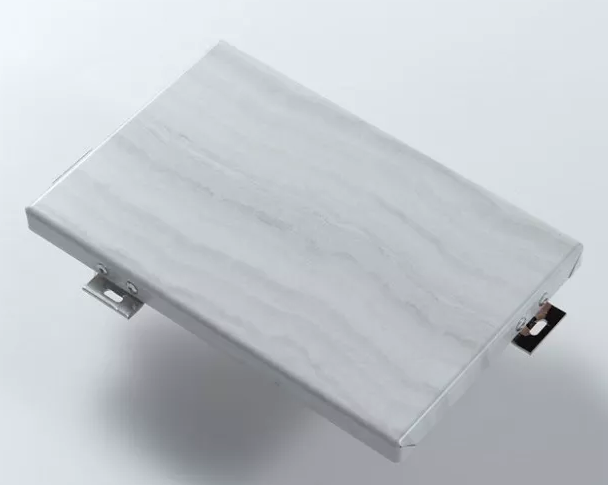
Galvanized steel panels are widely used across many industries due to their durability and rust resistance. Their protective zinc coating makes them suitable for environments where corrosion is a concern but budget limits the use of stainless steel.
Roofing and Siding: Galvanized steel panels are a popular choice for roofs and exterior walls. They resist rust, making them ideal for protecting buildings from weather damage over long periods.
Structural Components: Beams, supports, and framing often use galvanized steel. The panels provide strength while resisting corrosion, which is critical for safety and longevity.
Fencing and Guardrails: Outdoor fencing and safety guardrails benefit from galvanized steel's ability to withstand exposure to rain and sun without rusting quickly.
Bridges and Highway Infrastructure: Many bridges and highway components use galvanized steel panels to reduce maintenance costs and extend service life.
HVAC Ductwork: Inside and outside ventilation ducts often use galvanized steel due to its resistance to moisture and corrosion.
Galvanized steel panels perform well outdoors in many climates. Their zinc coating protects against rain, humidity, and temperature changes. However, in coastal environments, salt spray can accelerate zinc corrosion. Despite this, galvanized steel is still commonly used near the coast, especially when combined with thicker zinc coatings or additional protective paints.
Coastal Use: Panels with heavier zinc coatings (e.g., G90 or higher) last longer near the ocean. They help resist the salt-induced corrosion that can quickly degrade untreated steel.
Urban and Industrial Areas: Galvanized steel also suits urban settings where pollution and acid rain are factors. While these conditions can wear down zinc faster, the panels still outperform bare steel.
Agricultural Buildings: Farms often use galvanized steel panels for barns, silos, and equipment sheds. The panels withstand moisture and chemical exposure from fertilizers and animal waste.
Outdoor Storage and Shelters: From parking canopies to storage sheds, galvanized panels protect contents from weather while requiring minimal upkeep.
Cost-Effective Protection: Galvanized steel offers a balance between price and corrosion resistance, making it ideal for large-scale projects.
Ease of Installation: Panels are lightweight and easy to handle, speeding up construction timelines.
Low Maintenance: They require less frequent painting or repairs than uncoated steel.
Longevity: Properly specified and maintained panels can last 20 to 50 years depending on environment.
Dirt, dust, and debris can trap moisture on the panel surface, speeding up corrosion. Cleaning panels with mild soap and water removes these contaminants. Avoid harsh chemicals or abrasive tools that might scratch the zinc coating.
Inspect panels often, especially after storms or heavy winds. Look for:
Scratches or cuts exposing bare steel
Areas where the zinc coating looks dull, cracked, or worn
Signs of rust starting at edges or joints
Early detection lets you fix small issues before they grow.
Even though galvanized steel has self-healing properties, large scratches or cuts can expose steel, risking rust. Repairing these spots quickly is key.
Here’s how to handle damage:
Clean the damaged area to remove dirt and rust
Apply a zinc-rich cold galvanizing paint or spray designed for galvanized steel
Let the paint dry fully before exposing the panel to moisture
This touch-up restores sacrificial protection and slows corrosion. For deep gouges, consider professional recoating or replacing the panel.
Avoid piling debris or leaves on panels, as trapped moisture promotes corrosion
Ensure proper drainage around panels to prevent standing water
Use protective coatings or sealants in harsh environments for extra defense
Store spare panels in a dry, shaded place before installation
By following these simple steps, you extend the life of galvanized steel panels and keep them looking and performing well for decades. Schedule routine inspections and cleanings annually or after severe weather to catch and repair damage early, preserving the zinc coating’s protective power.
Galvanized steel panels offer excellent rust resistance due to their zinc coating, which provides barrier, chemical, and sacrificial protection. These panels are cost-effective, durable, and suitable for various environments, including coastal and industrial areas. When choosing materials for projects, galvanized steel is an affordable option that balances corrosion resistance and budget. For projects requiring durable and reliable materials, consider MC BOND galvanized steel panels, which provide significant value with their longevity and protective features.
A: Galvanized steel panels are steel sheets coated with zinc to prevent rust, using a process called hot-dip galvanizing.
A: Galvanized steel panels resist rust through a zinc coating that provides barrier, chemical, sacrificial, and self-healing protection.
A: Galvanized steel panels are cost-effective, offering good corrosion resistance, while stainless steel is more expensive but inherently rust-resistant.
A: Regular cleaning, inspection, and repairing scratches with zinc-rich paint help maintain galvanized steel panels' rust resistance.


