
Views: 0 Author: Site Editor Publish Time: 2026-07-09 Origin: Site


Architects and developers constantly face the challenge of sourcing cladding materials that deliver aesthetic versatility alongside long-term structural resilience. Modern building projects demand solutions that withstand harsh environmental conditions without compromising design intent. Strict building code compliance, specifically regarding fire safety, further complicates material selection. Exterior surfaces must resist fading, corrosion, and wear over decades of exposure. Powder-Coated Aluminum Composite Panels provide a highly engineered solution to these exact challenges. By combining a durable composite architecture with a specialized electrostatic finish, these panels offer unmatched performance. This article provides a technical evaluation framework to help you specify the right composite panels for your next project.
Structural Composition: Powder-coated ACPs combine the lightweight rigidity of a thermoplastic or mineral-filled core with the extreme surface durability of electrostatically applied powder coating.
Performance vs. Alternatives: Powder coating offers superior scratch resistance, environmental compliance (zero VOCs), and edge coverage compared to traditional liquid paints or standard PVDF finishes.
Compliance Criticality: Selection must prioritize the core material (FR or A2 rated) alongside the coating to meet modern commercial fire safety regulations.
Lifecycle ROI: While initial fabrication costs may vary, the extended lifespan, minimal maintenance, and weather resistance significantly lower long-term project expenses.
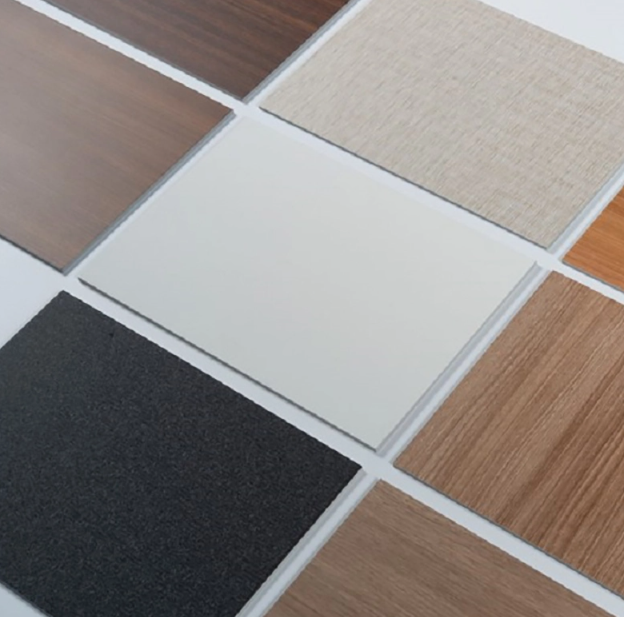
The foundation of these panels relies on a standard three-layer sandwich structure. Manufacturers bond two thin aluminum sheets to a central inner core under high heat and pressure. This composite approach yields a material that behaves like heavy-gauge metal but remains exceptionally light. The core material dictates the panel's fundamental safety characteristics and structural application limits. Polyethylene (PE) cores offer basic rigidity but are strictly limited to low-rise or non-combustible requirements due to fire safety regulations. Fire-Retardant (FR) cores utilize a mineral-filled composition that significantly delays flame spread. For maximum safety, A2 non-combustible cores utilize a thermoplastic binder heavily saturated with advanced mineral fillers. Specifying the correct core ensures the panel meets the structural and safety demands of the specific building envelope.
| Core Type | Composition | Fire Rating | Best Application |
|---|---|---|---|
| PE (Polyethylene) | 100% Thermoplastic | Combustible | Low-rise, signage, interior displays |
| FR (Fire-Retardant) | Mineral-filled thermoplastic | Class B / Class A (varies) | Mid-rise commercial, standard facades |
| A2 (Non-Combustible) | High mineral content (up to 90%) | Non-Combustible (A2-s1, d0) | High-rise, hospitals, critical infrastructure |
Applying the finish involves a highly controlled electrostatic process rather than simple liquid application. Technicians spray dry powder particles carrying a positive electric charge onto the grounded aluminum surface. This electrostatic attraction ensures an even, comprehensive layer that wraps around edges and fills microscopic surface variations. Following application, the panels enter a high-temperature curing oven. The heat causes the powder to melt, flow, and chemically cross-link into a continuous, hardened film. Contrast this finish with traditional coil-coated liquid paints. Liquid paints rely on evaporating solvents and often result in thinner, more porous films. The powder coating process yields a thicker, harder surface with superior adhesion strength and virtually no porosity. This structural difference translates directly to enhanced field performance.
Pre-treatment: The aluminum surface undergoes chemical cleaning and etching to remove oils and create a bonding profile.
Electrostatic Application: Charged powder particles are sprayed onto the grounded panel, ensuring uniform coverage even on complex geometries.
Thermal Curing: Panels enter an oven (typically 400°F) where the powder melts and cross-links into a solid film.
Cooling and Inspection: The finish hardens as it cools, followed by rigorous quality control checks for thickness and adhesion.
Composite architecture fundamentally changes how exterior cladding impacts a building's structural framework. These panels deliver the rigidity and flatness of heavy-gauge sheet metal at a fraction of the weight. A standard four-millimeter composite panel weighs significantly less than a solid aluminum sheet of equivalent stiffness. This dramatic reduction in dead load allows engineers to design lighter, more efficient structural support systems. Reduced weight translates directly to easier handling on the job site and less strain on the building's primary load-bearing elements. Installers can maneuver larger panel sections without requiring heavy lifting equipment. This superior weight-to-strength ratio makes composite panels ideal for expansive facade designs and high-rise applications where managing structural load is a primary engineering concern.
The multi-layered construction provides baseline insulation characteristics that single-skin metals lack. The inner core material acts as a thermal break, reducing the rate of heat transfer through the cladding layer. While the panels themselves do not replace dedicated building insulation, they contribute positively to the overall thermal performance of the wall assembly. Acoustically, the sandwich structure dampens sound transmission and vibration better than solid metal sheets. The combination of aluminum and a dense mineral core absorbs exterior noise, which proves highly beneficial in urban environments. To maximize these properties, architects integrate the panels into broader facade insulation strategies, such as ventilated rainscreen systems. The air gap behind the panel works in tandem with the composite material to manage moisture and regulate temperature.
Navigating fire safety regulations is the most critical aspect of specifying exterior cladding. The International Building Code (IBC) and local fire safety standards dictate strict performance requirements for facade materials. Specifying FR (Fire-Retardant) or A2 (Non-Combustible) cores is non-negotiable for commercial and high-rise applications. These advanced cores resist ignition and limit the release of heat during a fire event. Standard PE cores are highly combustible and pose severe risks if used improperly on exterior facades. Building inspectors require comprehensive testing documentation, such as NFPA 285 or EN 13501-1 certifications, to verify compliance. Selecting a fully certified panel assembly ensures the building envelope protects occupants and satisfies all regulatory mandates.
Exterior cladding faces relentless exposure to ultraviolet radiation, temperature fluctuations, and harsh weather. Architectural-grade powder coatings, such as those meeting Qualicoat Class 2 or 3 standards, are formulated specifically to withstand these conditions. The cross-linked chemical structure of the cured powder prevents the chalking and severe fading commonly seen with standard liquid paints. Pigments remain stable under intense UV exposure, ensuring the building retains its intended aesthetic for decades. The dense, non-porous surface also resists dirt pickup and environmental staining. This extreme weather resistance makes the material highly suitable for projects in extreme climates, from sun-baked desert environments to freezing northern latitudes.
Unlike ferrous metals, aluminum composite material does not rust. The inherent properties of aluminum, combined with the protective powder-coated finish, create an impenetrable barrier against oxidation. When exposed to oxygen, aluminum naturally forms a microscopic oxide layer that halts further corrosion. The thick powder coating adds a robust secondary defense mechanism. This dual-layer protection makes the panels highly resilient in aggressive environments. Coastal environments with high airborne salinity, industrial zones with chemical exposure, and areas subject to heavy road salt all demand materials with high corrosion immunity. Specifying this composite solution eliminates the risk of unsightly rust stains and structural degradation over time.
The physical demands placed on exterior cladding begin during transit and continue throughout the building's lifespan. The thermal curing process creates a finish with exceptional resistance to impact, abrasion, and chipping. During the installation phase, panels frequently endure rough handling, tool strikes, and friction. The hardened powder surface withstands these stresses far better than liquid-painted alternatives. Once installed, the cladding must resist environmental debris, hail, and incidental impacts at ground level. The mechanical durability of the finish ensures the panels maintain a pristine appearance without requiring frequent touch-ups or replacement due to surface damage.
Time on site directly impacts project success. The lightweight nature of composite panels translates to significantly faster installation times. Crews can easily lift, position, and secure large-format panels using standard mounting hardware. This efficiency reduces overall labor hours and minimizes the need for specialized lifting equipment. The panels integrate seamlessly with modular rainscreen systems and proprietary extrusion profiles. Installers utilize standard routing and folding techniques to create precise corners and complex geometric shapes. This versatility allows contractors to adapt to field conditions quickly and execute intricate architectural details without delaying the construction schedule.
Sustainable building practices require materials that minimize ecological impact. The powder coating process is inherently eco-friendly because it utilizes dry materials and completely eliminates solvents. This absence of solvents means zero Volatile Organic Compounds (VOCs) are released into the atmosphere during application. Furthermore, application facilities capture and recycle overspray powder, resulting in nearly zero waste. At the end of the building's lifecycle, the aluminum panels are fully recyclable. The metal skins can be separated from the core and melted down for reuse without losing their fundamental properties. Specifying these panels supports green building initiatives and contributes to LEED certification goals.
High-rise commercial buildings represent the primary application for this material. The panels excel in these environments due to their exceptional wind load resistance and aesthetic longevity. Engineers rely on the material's rigidity to maintain flat, true surfaces across expansive vertical elevations. The weather-resistant finish ensures the tower maintains its visual impact despite constant exposure to the elements. Architects utilize the material to create sleek, modern envelopes that define urban skylines. The ability to integrate the panels into high-performance rainscreen systems further solidifies their role in modern commercial architecture.
Beyond exterior applications, the material performs exceptionally well in demanding interior spaces. Transit hubs, hospitals, and large retail centers require surfaces that withstand constant public interaction. Scratch resistance and impact resistance are paramount in these high-traffic zones. The hardened powder finish repels scuffs from luggage, medical carts, and daily pedestrian flow. Additionally, the non-porous surface facilitates rapid, effective sanitation. Maintenance teams can clean the panels easily without degrading the finish or altering the color. This combination of durability and hygiene makes the panels an ideal choice for critical interior infrastructure.
Brand identity relies on precise color representation and long-term visual consistency. Corporate signage and wayfinding systems benefit greatly from the specific capabilities of powder-coated finishes. Manufacturers can color-match powder coatings precisely to meet strict corporate brand guidelines. Unlike vinyl graphics or standard paints, the powder finish maintains its vibrancy and gloss level over time. The material's rigidity ensures large pylon signs and dimensional letters remain flat and structurally sound. Utilizing this composite material for signage guarantees a premium, lasting representation of the brand in any environment.
Proper fabrication and installation play an important role in the long-term performance of powder-coated ACP. Attention to edge protection, fabrication sequence, and coating quality helps maximize durability and appearance.
Although powder-coated ACP provides excellent surface protection, exposed panel edges should be properly sealed to prevent moisture from reaching the core material.
Recommended practices include:
| Potential Issue | Recommended Solution |
|---|---|
| Exposed panel edges | Apply compatible edge sealants |
| Water accumulation | Design effective drainage and weep holes |
| Contact with dissimilar metals | Use isolation materials to reduce galvanic corrosion |
Proper detailing helps improve the durability of exterior façade systems.
Powder-coated surfaces are highly durable, but the finished coating is less suitable for extensive bending or routing after curing.
For this reason, most manufacturers recommend completing cutting, routing, and forming before the powder coating process whenever possible. This helps maintain a continuous protective coating and reduces the risk of coating damage during fabrication.
The performance of powder-coated ACP depends not only on the coating itself but also on surface preparation and manufacturing quality.
A high-quality coating process typically includes:
Aluminum surface pretreatment
Chemical conversion coating
Electrostatic powder application
Controlled curing
Adhesion and impact testing
Working with experienced manufacturers helps ensure consistent coating performance and long-term durability.
While powder-coated ACP may require a higher initial investment than some standard finishes, it can provide long-term value through durability, efficient installation, and reduced maintenance.
When evaluating project costs, buyers should consider more than panel price alone.
Powder-coated ACP offers several advantages that may help improve overall project efficiency:
Lightweight construction
Faster installation
Reduced structural load
Lower transportation costs
Flexible fabrication
These factors can offset part of the initial material cost, particularly for large commercial projects.
Powder-coated ACP requires relatively little routine maintenance.
The durable finish provides good resistance to weather, corrosion, and surface wear, helping maintain the building's appearance over time. Compared with finishes that require periodic repainting, powder coating can reduce long-term maintenance requirements and contribute to lower lifecycle costs.
For projects requiring an attractive, durable, and low-maintenance exterior, powder-coated ACP offers a practical balance between initial investment and long-term performance.
Powder-coated aluminum composite panels represent a high-performance solution for demanding architectural applications. They provide an optimal balance of low weight, strict color fidelity, and extreme surface durability. By understanding the technical specifications and fabrication requirements, design professionals can leverage these panels to create safe, resilient, and visually striking building envelopes.
Request physical material samples from manufacturers to evaluate finish hardness and color accuracy under actual site lighting conditions.
Consult with a qualified facade engineer to verify that your selected core material strictly complies with local building codes and fire safety regulations.
Review the fabrication sequence with your installation contractor to ensure all routing and bending occurs prior to the final coating process.
Examine the manufacturer's warranty documentation, paying specific attention to the coverage terms for both the composite panel structure and the applied finish.
A: These panels typically offer a lifespan of 15 to 30 years, depending heavily on the specific powder grade and environmental conditions. Manufacturers provide warranties covering this period. The underlying aluminum skins and composite core will generally outlast the exterior finish, providing long-term structural viability.
A: PVDF is typically a liquid, coil-coated finish known for excellent flexibility, allowing panels to be bent after coating. Powder coating is applied electrostatically, often post-fabrication. It produces a significantly thicker, harder, and more scratch-resistant surface compared to standard PVDF, making it ideal for high-impact areas.
A: The panels are not entirely fireproof. While the powder coating itself is combustible, it contributes minimally to the overall fire load. The fire rating depends entirely on the core material. Panels must utilize a Fire-Retardant (FR) or A2 non-combustible core to meet strict commercial fire safety standards.
A: While very slight curving might be possible, sharp routing and folding post-coating are highly discouraged. Bending the rigid powder finish risks micro-cracking the surface, which compromises both aesthetics and weather protection. Pre-fabricating the panels before applying the coating is the recommended best practice.
A: Maintenance requires a simple, low-impact regimen. Perform an annual washing using a soft brush, mild soap, and clean water. You must avoid abrasive cleaners, stiff bristle brushes, or harsh industrial solvents, as these will permanently degrade and scratch the protective coating.
A: Yes, it offers strong sustainability benefits. The powder coating process emits zero Volatile Organic Compounds (VOCs) and allows for overspray recycling. When integrated into rainscreen systems, the panels improve thermal efficiency. Finally, the aluminum skins are highly recyclable at the end of the building's life.


