
Views: 0 Author: Site Editor Publish Time: 2026-02-10 Origin: Site


Why do some ACM Panel façades stay clean and stable for decades while others age fast? The answer often lies upstream in PVDF coating. In this article, you will learn how PVDF coating defines ACM Panel durability, appearance, and long-term performance.
PVDF coating is not a simple decorative paint layer applied at the final stage of an ACM Panel. It is a chemically bonded fluoropolymer system designed to protect aluminum skins long before they become part of a finished panel. Unlike common coatings that sit on the surface, PVDF forms a stable protective film that resists UV radiation, chemical attack, and long-term weathering. It protects the aluminum itself, not just the color.
This is why PVDF coating plays a structural role in panel performance rather than serving only an aesthetic function. In practical use, it allows ACM Panel surfaces to stay clean, smooth, and visually consistent even after years of outdoor exposure.
Key characteristics that make PVDF coating different include:
● Strong molecular bonding that prevents peeling or flaking over time.
● High resistance to ultraviolet light, which helps preserve color integrity.
● Chemical stability that protects aluminum in polluted or coastal environments. These features explain why PVDF coating is treated as an upstream technology instead of a finishing detail.
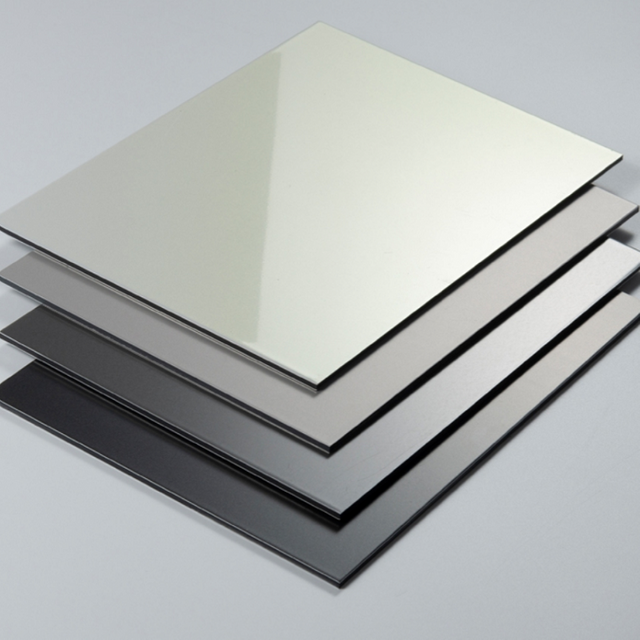
PVDF coating is applied to aluminum coils or sheets before the ACM Panel is laminated because surface stability directly affects bonding quality. Once the aluminum skin is coated and cured, it provides a controlled and consistent surface for lamination with the core material. This sequence reduces internal stress and improves long-term panel flatness.
If coating quality is unstable at this stage, problems like delamination or surface distortion may appear later in service. From a manufacturing perspective, upstream coating control makes downstream panel production more predictable and reliable.
The upstream coating stage influences several critical factors:
● Adhesion strength between aluminum skins and the core.
● Dimensional stability during temperature changes.
● Uniform appearance across large panel batches. This is why many ACM Panel manufacturers prioritize coating quality early rather than correcting issues after lamination.
Customers often compare PVDF coating with PE coatings or anodized finishes when selecting an ACM Panel. Each option has a purpose, but performance expectations differ significantly, especially for exterior use. PVDF coating stands out in long-term durability and color retention, while other finishes may suit short-term or interior applications.
This comparison helps customers understand why PVDF coating is often specified when long-term performance matters more than short-term savings.
One of the most visible benefits of PVDF coating on an ACM Panel is its ability to maintain color over time. Sunlight breaks down many surface finishes, but PVDF’s fluorocarbon bonds resist that degradation. This keeps panels from fading or chalking, even under intense sunlight.
For large façades, color consistency matters because uneven fading becomes obvious quickly. PVDF coating helps panels installed years apart still match visually, which is critical for phased construction projects.
PVDF-coated ACM Panels perform reliably in rain, heat, cold, and humidity. The coating acts as a barrier against moisture penetration and temperature cycling, reducing surface stress. This stability is especially important in regions with large seasonal temperature swings.
Over time, panels without adequate coating protection may warp or lose surface quality. PVDF coating helps the panel maintain its original shape and finish, even when environmental conditions change repeatedly.
In urban and industrial areas, ACM Panels face acid rain, exhaust gases, and airborne pollutants. PVDF coating protects aluminum skins from chemical reactions that cause corrosion or surface staining. This resistance reduces the need for aggressive cleaning and preserves panel appearance.
It means fewer maintenance concerns and lower long-term costs. The coating works quietly in the background, but its impact on service life is significant.
PVDF coating also protects ACM Panels before they are installed. During cutting, bending, transport, and handling, surfaces face abrasion and impact risks. PVDF’s flexibility allows it to bend with the aluminum skin without cracking, while its hardness helps resist scratches. This balance is important because damaged surfaces cannot be easily repaired after installation.
These combined performance benefits explain why PVDF coating is considered a defining factor in long-term ACM Panel quality rather than an optional upgrade.
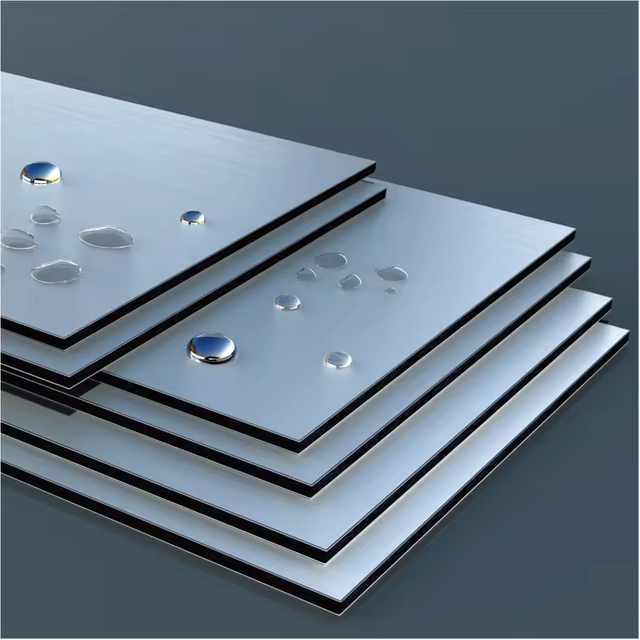
The PVDF coating process starts long before an ACM Panel takes shape. Aluminum skins go through controlled preparation and coating steps designed to build durability into the surface itself. It begins when aluminum is cleaned and conditioned to remove oils and residues, allowing later layers to bond evenly. Each step builds on the previous one, so consistency matters from the start.
When manufacturers like MC BOND manage this sequence carefully, they reduce surface defects and create a stable base for panel lamination.
Typical stages in the PVDF coating workflow include:
● Cleaning and chemical pretreatment to prepare the aluminum surface.
● Primer application to create a strong bonding layer.
● PVDF topcoat spraying for protection and color stability.
● Controlled curing to lock the coating structure in place. These steps may sound technical, but together they define how well an ACM Panel performs over time.
Surface pretreatment and primer layers quietly carry much of the workload in an ACM Panel system. Pretreatment improves corrosion resistance and helps the primer adhere evenly across the aluminum skin. The primer then acts as a bridge between metal and PVDF topcoat, balancing flexibility and strength. If either layer is poorly controlled, problems show up later as peeling, blistering, or uneven aging.
These hidden layers explain why some panels last decades while others fail early.
Their impact shows up in daily performance:
● Better adhesion between aluminum skins and the composite core.
● Reduced risk of coating separation during temperature changes.
● More uniform appearance across large ACM Panel batches. This is why upstream control matters more than surface gloss alone.
The PVDF topcoat gives an ACM Panel its visible finish and long-term protection. It is sprayed in controlled conditions to ensure even film build and color consistency. After application, the coated aluminum passes through high-temperature curing ovens. Heat activates chemical bonding inside the coating, turning liquid layers into a tough protective film.
This curing step determines resistance to UV light, chemicals, and abrasion. Without proper temperature control, the coating may look fine at first but degrade faster in real use.
The curing process influences:
● Color stability under prolonged sunlight.
● Surface hardness during transport and installation.
● Flexibility during panel bending and fabrication. When done correctly, it allows panels to survive both manufacturing stress and outdoor exposure.
Coating thickness might seem like a minor detail, but it directly affects how long an ACM Panel lasts. Too thin, and protection weakens. Too thick, and flexibility suffers.
Manufacturers monitor thickness closely to balance durability and workability.This control translates into predictable performance across projects, climates, and timelines. It also supports long-term warranties because thickness consistency reduces unexpected aging.
In an ACM Panel, the PVDF-coated aluminum skins do more than protect the surface. They work together with the core to create a balanced composite structure. Once coated and cured, the aluminum skins provide a stable outer layer that bonds evenly to HDPE, FR, or A2 cores.
This balance matters because uneven surfaces or unstable coatings can stress the bond line over time. When the coating behaves predictably, the panel responds better during cutting, bending, and installation. It helps the whole structure move as one system rather than separate layers fighting each other.
This interaction improves several structural behaviors:
● More consistent bonding strength between skins and core materials.
● Reduced internal stress during temperature changes.
● Better panel handling during fabrication and shaping. These effects stay hidden after installation, but they define long-term reliability.
Flatness is a key quality signal customers notice immediately on an ACM Panel. PVDF coating stability plays a direct role here because it controls how aluminum skins react to heat and moisture. When coatings cure evenly and maintain uniform thickness, they help the panel resist warping or oil-canning. Dimensional control becomes easier during production, transport, and installation.
Over time, this stability keeps façade lines straight and joints aligned, even in changing climates.
Fire performance depends on the full ACM Panel system, not just the core. PVDF coating contributes by maintaining surface integrity under heat exposure. It does not drip or crack easily, which helps the panel behave more predictably in fire-rated assemblies.
When paired with FR or A2 cores, the coating supports compliance with stricter building requirements. This matters in public buildings, high-rise façades, and transportation hubs, where material behavior under heat must stay controlled.
Key points customers usually consider include:
● Compatibility between PVDF-coated skins and fire-rated cores.
● Surface stability during elevated temperatures.
● System-level testing rather than isolated material claims. Understanding this interaction helps buyers choose panels suited for safety-critical projects.
PVDF-coated ACM Panels are often chosen for projects where exposure and visibility remain high for years. They appear in exterior façades, curtain walls, and architectural features where color consistency matters. Commercial signage and public infrastructure also rely on these panels because cleaning and repainting remain minimal.
In each case, customers value predictable aging more than short-term savings.
Common applications include:
● Building façades and exterior cladding.
● Transportation facilities and public buildings.
● Commercial signage and architectural accents. These uses demand surfaces that stay stable under sun, rain, and pollution.
One reason customers select PVDF-coated ACM Panels involves maintenance control. The coating resists dirt buildup and surface staining, so cleaning stays simple and infrequent. Mild detergent and water usually handle routine care. Over time, this reduces labor, access equipment, and downtime costs.
While initial pricing may sit higher than basic finishes, long-term ownership costs often remain lower.
When comparing ACM Panel suppliers, customers should look beyond color charts and brochures. Coating quality shows up in process control, testing standards, and performance history.
Asking about coating systems, thickness control, and curing methods helps separate reliable suppliers from short-term options. Consistency across batches also matters for phased projects or future expansions.
Practical comparison points include:
● Coating system type and layer structure.
● Quality testing methods and inspection routines.
● Track record in similar climate or exposure conditions. These questions help buyers choose panels built for long service life rather than quick installation.
PVDF coating defines long-term ACM Panel performance by protecting aluminum from UV, weather, and chemicals while improving bonding and flatness, and MC BOND delivers reliable ACM Panel solutions through controlled PVDF processes that offer durability, low maintenance, and stable visual quality for demanding projects.
A: PVDF coating is a protective finish that improves ACM Panel durability and color stability.
A: It stabilizes aluminum skins, helping ACM Panel bonding and long-term performance.
A: It resists UV, weather, and chemicals, keeping ACM Panel surfaces intact longer.
A: Initial cost is higher, but ACM Panel maintenance and repair costs stay lower.
A: Check coating process control, thickness consistency, and ACM Panel performance history.


