
Views: 0 Author: Site Editor Publish Time: 2026-03-19 Origin: Site


Why do modern buildings look sleek and last longer? Aluminum Composite Panel plays a key role. It improves cladding performance and design flexibility. In this article, you will learn how it works, its benefits, and why it is widely used today.
An Aluminum Composite Panel is a multi-layer material designed for modern cladding systems. It uses a sandwich structure, where two aluminum sheets are bonded to a core layer. This design keeps the strength of metal while reducing weight. It also improves flatness across large panel sizes.
● Core structure explained:
○ Aluminum skins provide surface strength and protect against impact. They also support coating systems that resist UV and corrosion over time.
○ The core layer increases thickness without adding significant weight. It helps absorb stress and keeps the panel stable under temperature changes.
○ The bonding process connects all layers tightly. It prevents separation and ensures long-term performance in outdoor conditions.
This structure makes Aluminum Composite Panel ideal for facade applications. It is strong but easy to handle. It allows architects to design large, clean surfaces without increasing structural load.
Typical panel specifications used in cladding systems:
Parameter | Common Range | Function |
Aluminum Thickness | 0.2 – 0.5 mm | Provides strength and surface durability |
Panel Thickness | 3 – 6 mm | Balances rigidity and lightweight design |
Core Type | PE / FR / A2 | Defines fire safety and application level |
In exterior cladding systems, Aluminum Composite Panel acts as the outer protective layer. It protects buildings from environmental exposure. It also plays a role in improving energy efficiency and facade performance.
● Key roles in cladding systems:
○ It forms a barrier against rain, wind, and UV radiation. This reduces direct damage to the building structure.
○ It works with rain screen systems. These systems create a ventilated cavity behind the panel, allowing air movement and moisture drainage.
○ It supports thermal performance. By reflecting heat and reducing absorption, it helps stabilize indoor temperature.
Unlike traditional sealing systems, modern cladding focuses on moisture management. A rain screen system allows water to drain instead of trapping it. This reduces long-term damage such as leakage or material degradation.
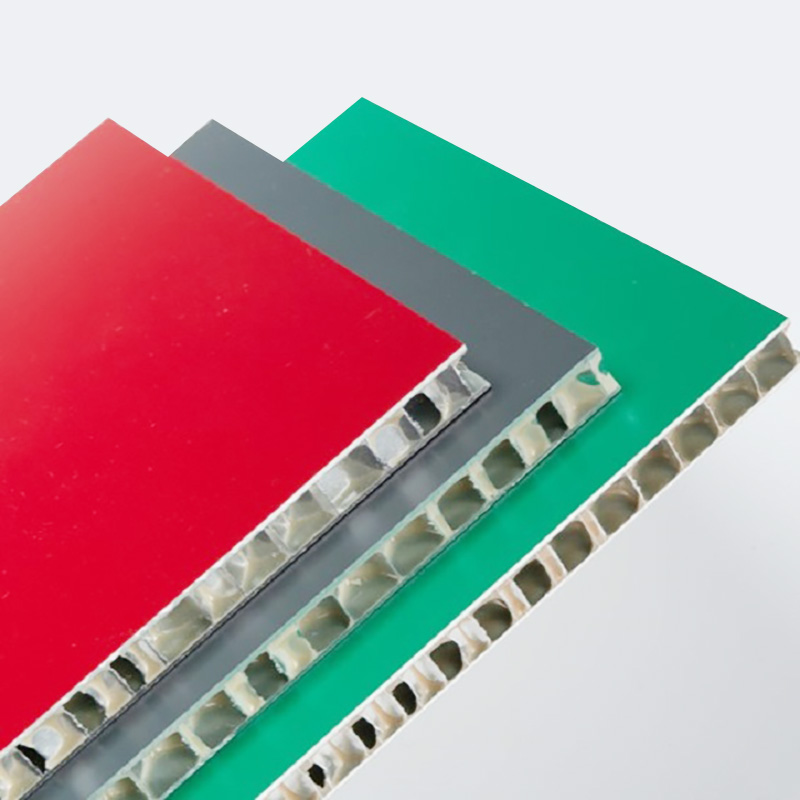
The manufacturing process of Aluminum Composite Panel is designed to ensure both strength and surface performance. Each step focuses on bonding quality and durability. This is critical for exterior cladding applications.
● Main production stages:
○ Aluminum coils are prepared and treated. This improves adhesion and surface cleanliness before lamination.
○ The core material is selected based on application needs. Fire-resistant cores are used for high-rise or commercial buildings.
○ A continuous lamination process bonds the aluminum layers with the core. Heat and pressure create a stable composite panel.
Surface treatment is a key part of the process. It determines how well the panel performs in outdoor environments. High-quality coatings protect against fading and corrosion.
● Coating performance highlights:
○ PVDF coating provides strong UV resistance. It keeps color stable for many years under sunlight exposure.
○ PE coating offers a more economical option. It is suitable for indoor or low-exposure environments.
○ Advanced coatings can improve self-cleaning ability. They reduce dirt accumulation on building facades.
MCBOND applies strict quality control throughout production. Each Aluminum Composite Panel is tested for bonding strength, thickness accuracy, and surface quality. This ensures reliable performance when used in modern exterior cladding systems.
Aluminum Composite Panel is widely valued for its lightweight structure. This feature reduces the overall load on building frameworks. It allows architects to design larger facades without increasing structural complexity. Compared to traditional materials, the weight advantage becomes especially clear in high-rise and commercial projects.
● Practical advantages of lightweight design:
○ Lower transportation difficulty improves logistics efficiency. Panels are easier to move and position on-site, especially in elevated installations.
○ Faster installation process reduces labor time. Workers can cut and shape panels quickly using standard tools, which helps shorten project timelines.
○ Large-format panel capability enhances visual continuity. Wider panels create cleaner facade lines while maintaining structural safety.
Durability is a defining strength of Aluminum Composite Panel in exterior cladding. The material performs reliably under harsh environmental conditions. Exposure to sunlight, rain, and pollution does not easily affect its structural integrity.
● Environmental performance highlights:
○ Strong UV resistance helps maintain color stability. Advanced coatings protect the surface from fading even after long-term exposure.
○ Natural corrosion resistance ensures long service life. Aluminum surfaces do not rust, making them suitable for coastal or humid regions.
○ Stable performance across temperature extremes prevents deformation. Panels maintain shape in both high heat and freezing conditions.
Additional advantages include resistance to wind pressure and impact. The non-porous surface prevents water absorption, reducing the risk of internal damage.
MCBOND enhances these characteristics through controlled coating processes and strict quality inspection, ensuring reliable Aluminum Composite Panel performance in demanding environments.
Energy efficiency plays an important role in modern building design. Aluminum Composite Panel contributes by improving thermal control. The material supports both heat reflection and insulation integration.
● Thermal performance benefits:
○ Reflective aluminum surfaces reduce heat absorption. This helps lower indoor temperatures during hot seasons.
○ Compatibility with insulation systems improves energy retention. Combined layers create an effective thermal barrier.
○ Ventilated cladding systems enhance airflow. Air circulation behind panels reduces heat buildup and moisture accumulation.
This system-based performance improves indoor comfort. Reduced reliance on HVAC systems leads to lower energy consumption. Aluminum Composite Panel is often selected for projects focused on sustainability and energy savings, especially in urban environments.
Aluminum Composite Panel offers extensive design flexibility for modern architecture. The material supports a wide range of finishes and shapes. This allows designers to create distinctive building appearances without compromising performance.
● Design and customization features:
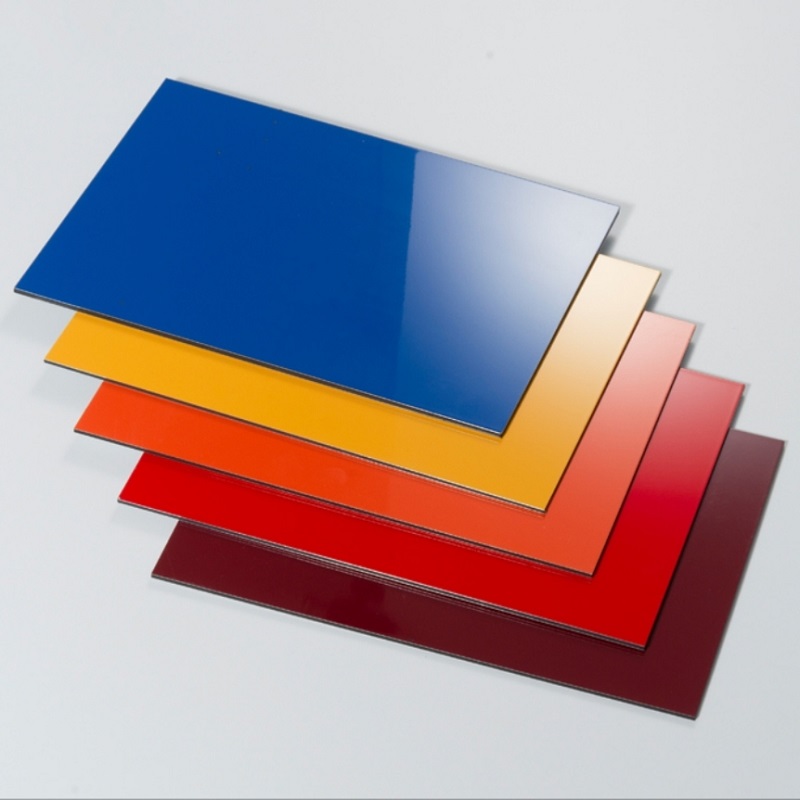
○ Diverse color options support branding and architectural themes. Consistent coating ensures uniform appearance across panels.
○ Multiple surface finishes create different visual effects. Metallic, matte, brushed, and reflective styles meet various design needs.
○ Ability to replicate natural materials adds versatility. Wood and stone textures provide aesthetic value without added weight.
Fabrication flexibility is another advantage. Panels can be bent, curved, or perforated to fit complex facade designs. This makes Aluminum Composite Panel suitable for both simple structures and innovative architectural forms.
Common finish options for Aluminum Composite Panel:
Finish Type | Visual Effect | Application Scenario |
PVDF Coating | Long-lasting color | Exterior facades and high-rise buildings |
Metallic Finish | Modern reflective look | Commercial buildings and offices |
Wood/Stone Look | Natural appearance | Residential and decorative facades |
Mirror Finish | High reflectivity | Landmark architectural projects |
When comparing Aluminum Composite Panel and solid aluminum cladding, the first noticeable difference is structure. Aluminum Composite Panel uses a layered design. Solid aluminum relies on a single thick metal sheet. This difference affects weight, cost, and application flexibility.
● Key comparison insights:
○ Weight difference plays a major role in construction. Aluminum Composite Panel is much lighter, which reduces structural load and simplifies installation in large-scale projects.
○ Rigidity behaves differently across materials. Solid aluminum offers high inherent strength, while Aluminum Composite Panel achieves rigidity through its composite core, balancing strength and flexibility.
○ Cost varies across project stages. Solid aluminum often has higher material costs, while Aluminum Composite Panel provides a more cost-efficient option when considering fabrication and installation.
Fire performance is another important factor. Solid aluminum is non-combustible. Aluminum Composite Panel depends on core selection, such as FR or A2, to meet safety standards. This allows more flexibility for different building codes and project requirements.
Performance Comparison Between ACP and Solid Aluminum:
Feature | Aluminum Composite Panel | Solid Aluminum Cladding |
Weight | Lightweight | Heavy |
Installation | Easy and fast | More complex |
Fire Performance | Depends on core (FR / A2) | Non-combustible |
Cost Efficiency | Balanced lifecycle cost | Higher upfront cost |
Design Flexibility | High (easy to shape) | Limited shaping flexibility |
Traditional cladding materials such as brick, wood, and fiber cement have been used for decades. However, Aluminum Composite Panel introduces a different approach. It combines performance and efficiency in a single system, making it more suitable for modern architecture.
● Moisture and maintenance comparison:
○ Brick absorbs moisture over time. This can lead to cracking in freeze-thaw conditions, increasing maintenance needs.
○ Wood requires regular treatment. Exposure to moisture and sunlight can cause decay, warping, or fading.
○ Fiber cement performs better than wood but still needs periodic inspection and maintenance.
○ Aluminum Composite Panel does not absorb water. Its non-porous surface prevents swelling and reduces long-term damage risks.
Durability also varies across materials. Traditional materials can degrade under environmental stress. Aluminum Composite Panel maintains stability due to its coated aluminum surface and composite structure.
● Durability and lifecycle considerations:
○ Brick offers long lifespan but requires structural support and maintenance over time.
○ Wood provides natural aesthetics but has shorter durability without continuous care.
○ Fiber cement balances durability and cost but may crack under stress.
○ Aluminum Composite Panel delivers long-term performance with minimal maintenance, especially in exterior applications.
Cost efficiency becomes clearer over time. Initial costs for traditional materials may appear competitive. However, maintenance and repair expenses can increase over the building lifecycle. Aluminum Composite Panel reduces these long-term costs due to its durability and low upkeep requirements.
MCBOND Aluminum Composite Panel products are designed to support this advantage. They offer stable performance, reduced maintenance, and consistent appearance, making them suitable for both commercial and residential cladding projects.
Aluminum Composite Panel is widely used across modern architecture. Its flexibility and performance allow it to fit different building types. From large commercial projects to small decorative elements, it adapts easily. Architects prefer it because it balances design freedom and structural efficiency.
● Typical application scenarios in real projects:
○ Commercial facades and office buildings benefit from clean lines. Large panels create smooth surfaces, improving the visual identity of modern structures. Lightweight properties also reduce load on high-rise buildings.
○ Residential exterior cladding uses Aluminum Composite Panel for durability and style. It protects homes from weather while offering customizable finishes. This allows homeowners to achieve modern or natural looks.
○ Signage and decorative elements rely on easy fabrication. Panels can be cut, engraved, or printed, making them suitable for branding and architectural accents.
In addition to these uses, Aluminum Composite Panel works well in curtain wall systems and renovation projects. Older buildings can be upgraded without major structural changes.
Application overview across building types:
Application Type | Key Benefit | Typical Use Case |
Commercial Facade | Lightweight and modern appearance | Offices, malls, high-rise buildings |
Residential Cladding | Weather protection and aesthetics | Villas, apartments |
Signage & Decoration | Easy processing and customization | Brand signage, interior features |
Renovation Projects | Low structural impact | Building upgrades and retrofits |
Sustainability is a growing concern in construction. Aluminum Composite Panel supports this trend through material efficiency and energy performance. Its design reduces resource consumption while improving building efficiency.
● Environmental advantages in construction:
○ Recyclable aluminum layers reduce waste. Materials can be reused without losing quality, supporting circular building practices.
○ Lightweight structure lowers transportation energy. Reduced weight means less fuel consumption during delivery and installation.
○ Long service life minimizes replacement needs. Durable surfaces reduce material waste over time.
Energy performance also contributes to sustainability. Reflective surfaces help reduce heat absorption. This improves indoor temperature control and reduces energy demand. When combined with insulation systems, Aluminum Composite Panel enhances thermal efficiency in building envelopes.
● Sustainability-related performance factors:
○ Compatibility with green building standards improves project value. It supports energy-saving design strategies used in modern architecture.
○ Reduced maintenance requirements lower long-term environmental impact. Fewer repairs mean less material usage and resource consumption.
○ Stable coating systems maintain appearance without frequent repainting. This reduces chemical use and maintenance waste.
MCBOND integrates these environmental benefits into its Aluminum Composite Panel production. Through controlled manufacturing and material selection, it provides solutions aligned with sustainable construction practices, helping projects meet modern environmental expectations.
Aluminum Composite Panel offers light strength and design freedom. It improves cladding performance and reduces long term cost. MC BOND provides reliable panels and stable quality. Their solutions support modern buildings and deliver strong value.
A: Aluminum Composite Panel is used for facades, signage, and exterior cladding systems.
A: Aluminum Composite Panel offers durability, low weight, and easy installation.
A: Aluminum Composite Panel helps reduce heat absorption and improves insulation performance.
A: Aluminum Composite Panel is lighter, easier to install, and requires less maintenance.
A: Aluminum Composite Panel has moderate cost but lower long-term maintenance expenses.


