
Views: 0 Author: Site Editor Publish Time: 2026-03-19 Origin: Site


Why do modern buildings choose lighter panels? Traditional metal often limits design and efficiency. Aluminum Composite Panel offers a smarter solution.
In this article, we explore how it improves cladding systems. You will learn its benefits, performance, and real applications.
An Aluminum Composite Panel is a layered material. It combines two aluminum sheets and a core layer. This core can be PE, FR, or A2. That structure makes it different from solid metal panels. It is not just a sheet. It is a system designed for balance and performance.
Key characteristics of Aluminum Composite Panel:
● It uses a sandwich structure, which improves rigidity while keeping weight low. This helps reduce structural load on buildings.
● The core layer absorbs stress and vibration, making the panel more stable over time. It also adds insulation benefits.
● The aluminum surface layers protect the panel, resisting corrosion, UV exposure, and environmental damage.
When comparing Aluminum Composite Panel to traditional metal wall panels, the difference starts from the structure. One uses multiple layers. The other relies on a single piece of metal. This affects performance in many ways.
Traditional metal panels depend on thickness for strength. That makes them heavier. It also limits flexibility. Aluminum Composite Panel distributes strength across layers. This allows it to stay strong without adding extra weight.
Main structural differences:
● Aluminum Composite Panel uses a multi-layer system, which improves strength-to-weight ratio. Traditional panels rely on thickness alone.
● It provides better flatness, especially on large areas. Solid metal sheets may deform under temperature or stress.
● The lighter weight reduces installation difficulty, making it easier to transport and handle on-site.
To better understand the difference, here is a comparison:
Feature | Aluminum Composite Panel | Traditional Metal Wall Panels |
Structure | Multi-layer sandwich system | Single solid metal sheet |
Weight | Lightweight | Heavy |
Flatness | High stability and smooth surface | Prone to bending or warping |
Flexibility | Easy to fabricate and shape | Limited processing flexibility |
Installation | Faster and easier | More labor-intensive |
MC BOND improves this advantage with advanced production control. Their panels maintain uniform thickness and strong bonding. This ensures consistent performance in real cladding applications.
When we look at cladding materials, weight becomes a key factor. Aluminum Composite Panel stands out because it stays light while keeping strength. It uses a layered structure, so it does not need thick metal to perform well. This makes it easier to handle in real construction work.
Compared to steel or solid aluminum panels, it reduces structural pressure. This matters a lot in high-rise buildings. It also helps in renovation projects where existing structures cannot support heavy loads. We often see faster installation because workers can move and fix panels more easily.
Why lightweight Aluminum Composite Panel improves performance:
● It reduces the overall dead load of the building, which helps extend structural life and lowers engineering requirements.
● It makes transportation more efficient, allowing more panels per shipment and reducing logistics costs.
● It allows faster on-site installation, saving labor time and improving project timelines.
MC BOND Aluminum Composite Panel uses controlled thickness and bonding. This ensures panels stay light but do not lose rigidity. It helps contractors work faster without sacrificing quality.
Durability is another area where Aluminum Composite Panel performs better. Traditional metal panels often face corrosion or fading over time. Aluminum Composite Panel protects itself using coated surfaces and stable materials. This allows it to perform well in different climates.
Its outer aluminum layer works as a shield. It resists moisture, chemicals, and UV exposure. At the same time, coatings like PVDF help maintain color and surface quality. This is important for buildings that need a long-lasting appearance.
Key durability advantages of Aluminum Composite Panel:
● It offers strong corrosion resistance, especially in coastal or humid environments. It prevents surface damage over time.
● It maintains color stability under UV exposure, so façades keep their original look for years.
● It performs reliably in extreme weather conditions, including heat, cold, and heavy rain.
MC BOND enhances this performance through advanced coating systems. Their Aluminum Composite Panel maintains smooth surfaces and long-term stability. This reduces maintenance needs for building owners.
Fire safety has become a critical factor in modern construction. Aluminum Composite Panel offers flexible solutions here. It can be designed with fire-retardant or non-combustible cores. This helps meet different building regulations.
Traditional metal panels are non-combustible, but they often require additional systems to meet safety standards. Aluminum Composite Panel provides integrated solutions. This makes it easier for architects and engineers to meet compliance requirements.
Fire performance features of Aluminum Composite Panel:
● It supports FR core options, which slow down flame spread and improve safety in commercial buildings.
● It also offers A2-grade panels, suitable for high-rise and public infrastructure projects.
● It helps meet international fire safety standards, reducing design complexity during project planning.
MC BOND provides multiple fire-rated Aluminum Composite Panel options. This allows projects to choose the right level of protection based on local codes and building type.
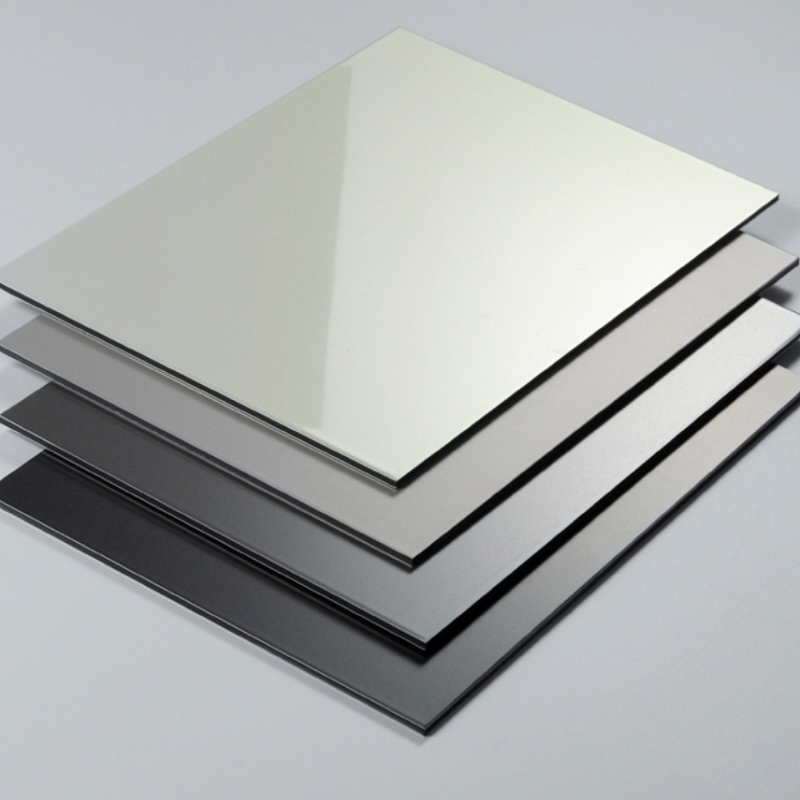
One of the hidden advantages of Aluminum Composite Panel is insulation. Its layered structure does more than provide strength. It also improves energy efficiency and indoor comfort. This is especially useful in modern ventilated façade systems.
The core material helps reduce heat transfer. It keeps buildings cooler in summer and warmer in winter. At the same time, the panel structure blocks external noise. This improves living and working conditions in busy areas.
Performance benefits in insulation and comfort:
● It improves thermal insulation, reducing energy consumption in HVAC systems. This supports sustainable building goals.
● It enhances acoustic insulation, minimizing noise from traffic or urban environments.
● It supports ventilated façade design, allowing airflow behind panels and improving overall building efficiency.
To better understand this, here is a comparison of performance:
Performance Aspect | Aluminum Composite Panel | Traditional Metal Panels |
Thermal Insulation | Good due to core layer | Limited, metal conducts heat easily |
Acoustic Performance | Effective noise reduction | Poor sound insulation |
Energy Efficiency | Supports energy-saving façade systems | Higher energy loss |
MC BOND Aluminum Composite Panel is designed for these modern needs. It supports both performance and comfort, making it suitable for commercial and residential cladding systems.
When we evaluate cladding materials, the price is not only about the purchase cost. Aluminum Composite Panel offers a smart balance between initial investment and long-term value. It uses less aluminum than solid panels, so the material cost is lower. At the same time, it still delivers strong performance and durability.
In large construction projects, this difference becomes more obvious. Lower weight means lower transport costs. It also reduces installation complexity. Workers can handle panels more easily, which shortens project timelines. These factors together improve budget control from the early stage.
Cost-related advantages of Aluminum Composite Panel:
● It uses a composite structure, reducing the amount of raw aluminum needed. This lowers material cost compared to solid panels.
● It supports faster installation, reducing labor expenses and project delays. This is especially helpful for high-rise or large façade systems.
● It provides better cost efficiency at scale, making it ideal for commercial developments and public projects.
Maintenance is often overlooked during material selection. However, it plays a major role in total lifecycle cost. Aluminum Composite Panel performs well because it requires minimal upkeep. Its surface coatings protect it from environmental damage.
Over time, traditional metal panels may show signs of wear. They can fade, corrode, or stain. Aluminum Composite Panel resists these issues more effectively. This reduces the need for repairs or replacements, which can be costly.
Maintenance benefits of Aluminum Composite Panel:
● It has low maintenance requirements, often needing only simple cleaning to maintain appearance. This saves time and cost.
● It offers strong resistance to corrosion and staining, making it suitable for harsh environments.
● It maintains long-term surface stability, reducing repainting or replacement frequency.
Another important factor is energy performance. Aluminum Composite Panel supports better insulation compared to traditional metal panels. Its layered structure reduces heat transfer. This improves indoor temperature control.
In buildings, energy consumption is a long-term cost. Better insulation means less energy is needed for heating or cooling. Over time, this creates significant savings. It also supports sustainable construction goals.
Energy and efficiency benefits:
● It improves thermal insulation performance, helping reduce HVAC energy usage. This lowers operational costs over time.
● It contributes to sustainable building design, supporting green standards and environmental goals.
● It enhances long-term return on investment, especially in commercial and large-scale residential projects.
To better understand lifecycle value, here is a comparison:
Cost Factor | Aluminum Composite Panel | Traditional Metal Wall Panels |
Material Cost | Lower due to composite structure | Higher due to solid metal usage |
Installation Cost | Reduced, faster installation | Higher labor and time required |
Maintenance Cost | Low, minimal upkeep needed | Higher, more frequent repairs |
Energy Efficiency | Improved insulation performance | Poor insulation |
Long-Term ROI | High, balanced cost and performance | Lower due to higher lifecycle cost |
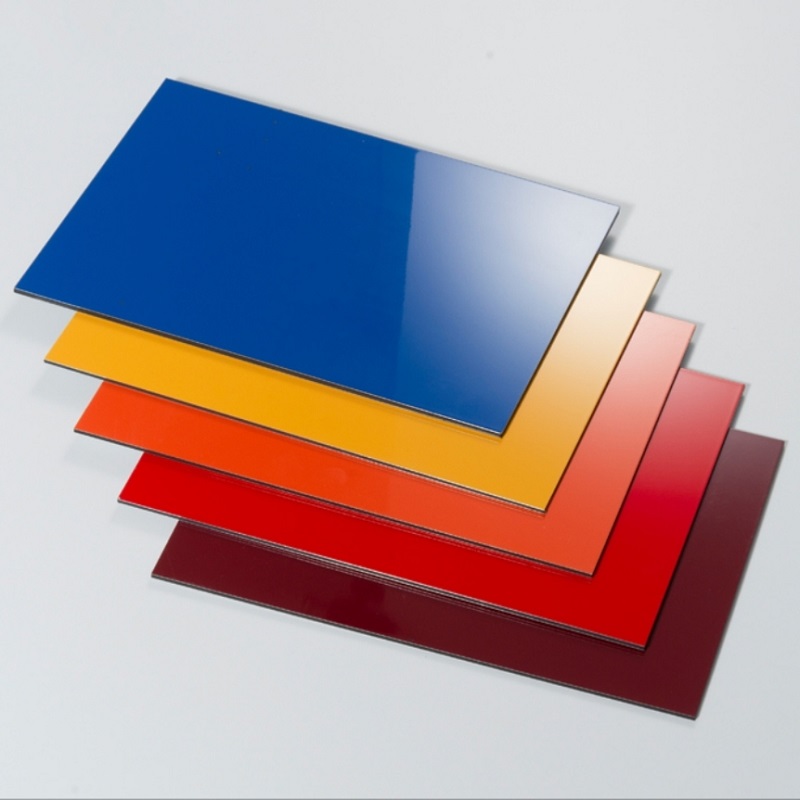
One of the biggest strengths of Aluminum Composite Panel is design freedom. It allows architects to create modern, clean, and customized façades. Unlike traditional metal panels, it is not limited to a simple metallic look. It supports a wide range of surface treatments and visual styles.
The outer aluminum layer can be coated or processed in different ways. This makes it possible to match specific design themes. Whether it is a commercial building or a retail project, appearance plays a key role. Aluminum Composite Panel helps achieve that without compromising performance.
Common finish options used in Aluminum Composite Panel:
● PVDF coating offers strong weather resistance and long-term color stability. It is often used for exterior cladding in demanding environments.
● PE coating is more suitable for interior use. It provides a smooth finish and cost-effective solution for decorative applications.
● Anodized finishes create a metallic and high-end appearance. They also improve corrosion resistance.
● Digital printing surfaces allow customized graphics and branding. This is widely used in signage and commercial projects.
Another advantage is visual versatility. Aluminum Composite Panel can replicate natural materials. It can look like stone, wood, or brushed metal. This gives designers more options without using heavy or expensive materials.
Aluminum Composite Panel is easy to process. This makes it suitable for modern construction where complex designs are common. Traditional metal panels are harder to shape. They often require more effort and time during fabrication.
With Aluminum Composite Panel, we can cut, bend, and shape it without losing structural stability. This makes it ideal for curved surfaces, corners, and creative façade elements. It also helps reduce material waste during production.
Fabrication advantages of Aluminum Composite Panel:
● It supports easy cutting and routing, allowing precise dimensions and clean edges. This improves installation accuracy.
● It allows bending and shaping without cracking, making it suitable for complex architectural forms.
● It reduces installation time, as panels are easier to handle and adjust on site.
Aluminum Composite Panel is widely used in modern construction. Its flexibility allows it to adapt to different project types. From large commercial buildings to interior decoration, it provides a consistent solution.
It is commonly used in ventilated façade systems. These systems improve airflow and energy efficiency. Aluminum Composite Panel works well in this design because it is lightweight and stable. It also maintains a smooth appearance across large surfaces.
Typical applications of Aluminum Composite Panel:
● Curtain walls and façades, where flatness and durability are important for visual impact and long-term performance.
● Interior wall decoration, offering clean finishes and flexible design options for commercial and residential spaces.
● Signage and branding systems, using printed or coated panels to display logos and graphics clearly.
● Industrial and infrastructure projects, where durability and low maintenance are required.
To better understand application suitability, here is a comparison:
Application Area | Aluminum Composite Panel | Traditional Metal Panels |
Façade Systems | Excellent flatness and design flexibility | Limited flexibility |
Interior Decoration | Wide range of finishes and lightweight | Heavier and less versatile |
Signage Applications | Supports printing and customization | Limited visual options |
Complex Structures | Easy to shape and install | Difficult to process |
Aluminum Composite Panel improves cladding performance through lightweight structure, durability, and design flexibility. It reduces costs and enhances efficiency. MC BOND provides reliable panels with stable quality, supporting modern construction needs and long-term value.
A: Aluminum Composite Panel is a layered material used for cladding. It combines aluminum sheets and a core for strength and flexibility.
A: Aluminum Composite Panel is lighter, more flexible, and offers better insulation compared to traditional metal panels.
A: It lowers transport, installation, and maintenance costs, making Aluminum Composite Panel more cost-efficient over time.
A: It is used in façades, signage, and interiors, especially in modern cladding systems and commercial buildings.
A: Yes, Aluminum Composite Panel resists corrosion, UV damage, and weather, ensuring long-term performance.


