
Views: 0 Author: Site Editor Publish Time: 2026-07-09 Origin: Site


Selecting the wrong surface finish for Aluminum Composite Panels (ACP) can result in premature chalking, severe color fading, or unnecessary project overspending. Architects, fabricators, and project managers frequently struggle to balance upfront material costs with long-term environmental performance. The decision heavily relies on matching the coating chemistry to the specific environmental exposure and project lifespan.
This guide provides a technical breakdown of Polyester-Coated ACP andPVDF (Polyvinylidene Fluoride) finishes, offering an evidence-based framework to evaluate performance metrics, cost-to-lifespan ratios, and application suitability.
Application Alignment: Polyester-Coated ACP is the industry standard for interior applications, signage, and short-term exterior projects, whereas PVDF is engineered for high-exposure, long-term exterior facades.
Cost Variance: Polyester coatings typically reduce upfront panel costs by 20% to 40% compared to PVDF, making them highly cost-effective for non-critical environmental exposures.
Chemical Durability: PVDF relies on strong carbon-fluorine bonds to resist UV degradation and pollutants, while standard polyester resins are more susceptible to UV-induced chalking over extended periods.
Verification Risk: The market contains mislabeled products; verifying coating thickness, resin percentage (e.g., 70% Kynar 500 for true PVDF), and manufacturer warranties is critical before procurement.
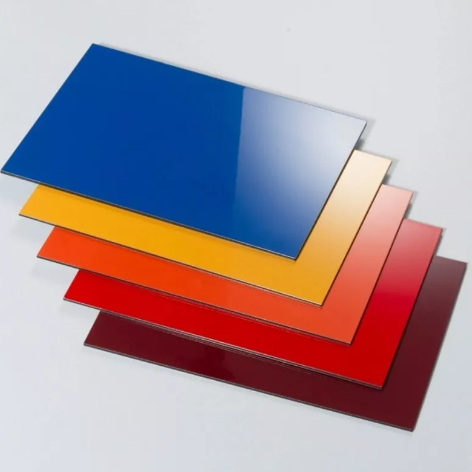
To predict how an ACP panel will perform over a 10-to-20-year horizon, specifiers must understand the underlying resin technology of the paint system. The chemical composition dictates how the surface will react to ultraviolet light, moisture, and airborne pollutants over time.
Standard polyester (PE) resin formulations are widely used in the coil coating industry. The polymer structure offers high flexibility, which is highly advantageous during the fabrication process when panels are routed and folded into cassettes. This flexibility prevents micro-cracking along the fold lines. Furthermore, polyester resins provide excellent gloss retention in controlled environments and offer broad color versatility, allowing for precise brand color matching.
However, these coatings have inherent limitations regarding long-term resistance to ultraviolet (UV) radiation and harsh industrial chemicals. When exposed to continuous sunlight, the polymer chains in standard PE coatings begin to break down, leading to a phenomenon known as chalking, where a white, powdery residue forms on the surface. It is important to distinguish standard PE from other non-PVDF coatings, such as High-Durability Polyester (HDPE) and FEVE, which offer different performance profiles and enhanced weatherability.
Polyvinylidene Fluoride relies on the carbon-fluorine bond, recognized as one of the strongest chemical bonds available in polymer chemistry. This bond requires immense energy to break, which translates to exceptional resistance against UV degradation and chemical attack. Standard formulation requirements typically demand 70% PVDF resin and 30% acrylic resin for optimal weatherability. The acrylic component is necessary to ensure proper adhesion to the aluminum substrate and to allow for pigment dispersion.
Advanced variations, such as Nano-PVDF, incorporate a self-cleaning topcoat to resist dirt and pollutants. This microscopic clear coat prevents particulate matter from embedding into the surface, allowing rain to wash away accumulated grime effectively.
A side-by-side analysis shows how each coating performs against critical architectural and environmental stressors. Specifiers must weigh these factors against the intended lifespan of the building.
| Performance Metric | Polyester-Coated ACP (PE) | PVDF Coated ACP |
|---|---|---|
| UV Resistance | Moderate; prone to chalking over time | Exceptional; minimal degradation |
| Gloss Level | High gloss available (up to 90%) | Matte to Satin (typically 30-40%) |
| Flexibility (Routing/Folding) | Excellent; highly flexible resin | Good; requires careful handling |
| Chemical Resistance | Low to Moderate | High; resists acids and solvents |
| Expected Exterior Lifespan | 3 to 7 years | 20+ years |
PVDF offers exceptional resistance to UV radiation, extreme temperature fluctuations, heavy rain, and moisture. It maintains minimal color shift (measured as Delta E) over decades of exposure. In contrast, Polyester-Coated ACP provides moderate weatherability. It is prone to accelerated fading and chalking when exposed to direct, continuous sunlight and harsh weather elements. For projects located near the equator or at high altitudes, the UV index will rapidly degrade standard polyester finishes.
Polyester-Coated ACP offers a significant reduction in initial material costs. PVDF yields better long-term value for permanent exterior structures due to eliminated replacement and repainting costs over a 20+ year lifecycle. Calculating the break-even point based on the intended lifespan of the installation helps guide the decision. If a commercial fit-out is scheduled for a redesign in five years, investing in a 20-year coating represents a misallocation of capital.
Polyester coatings support higher gloss levels and vibrant color matches, ideal for corporate identity and retail environments where visual impact is paramount. PVDF coatings generally feature a matte or satin finish due to the fluorocarbon resin properties, prioritizing color stability over high gloss. Specialized finishes like Mirror ACP provide highly reflective surfaces usually limited to interior applications due to delicate surface treatments.
Surface porosity differs between PE and PVDF. Standard polyester has a slightly more porous microscopic structure, which can trap airborne dirt over time. Nano-PVDF reduces maintenance costs in highly polluted urban environments through self-cleaning properties, drastically reducing the frequency of facade washings required to maintain the building's appearance.
Mapping the technical capabilities of each coating to specific architectural and commercial use cases ensures optimal performance and prevents premature material failure.
Interior wall cladding, partitions, false ceilings, and interior design elements where UV exposure is zero.
Retail storefronts, exhibition kiosks, and point-of-purchase displays requiring high-gloss brand colors.
Corporate signage and wayfinding systems located in shaded or indoor environments.
Short-term exterior applications, such as hoarding boards and temporary structures with a 3-5 year expected lifespan.
High-rise building facades, curtain walls, and monumental architecture requiring decades of durability.
Projects in high-UV index regions or coastal areas with high salinity that accelerates corrosion.
Industrial zones with elevated levels of airborne pollutants and acid rain risks.
Healthcare and educational facilities where long-term structural integrity and minimal maintenance are mandated.
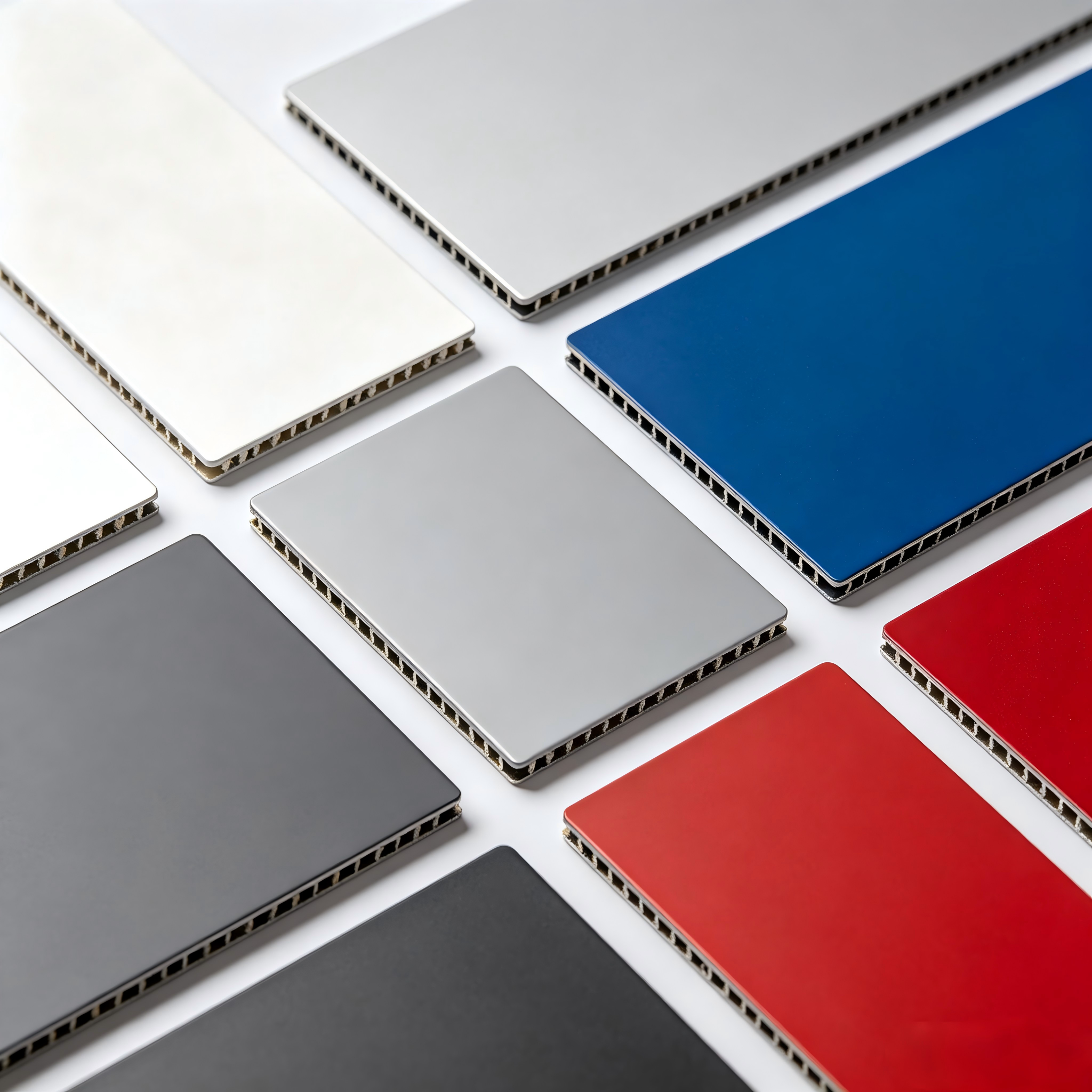
Selecting the right coating is only part of a successful ACP project. Proper material verification, fabrication practices, and specification requirements are equally important to ensure long-term performance.
Not all panels labeled as "PVDF" meet the same quality standards. Before placing an order, buyers should request supporting documentation such as coating specifications, resin information, and quality certificates from the manufacturer.
When necessary, sample testing can also help verify coating performance. A commonly used method is the MEK (Methyl Ethyl Ketone) rub test, which evaluates the coating's solvent resistance. Excessive color transfer or coating damage after testing may indicate that the panel uses a lower-grade polyester coating rather than a true PVDF system.
Polyester-coated ACP and PVDF ACP can both be fabricated using standard ACP processing equipment, but proper handling is essential to maintain surface quality.
During fabrication, manufacturers should:
Use sharp cutting and routing tools.
Control routing depth to avoid damaging the aluminum skin.
Protect coated surfaces from scratches during handling.
Remove the protective film within the recommended time after installation to prevent adhesive residue caused by prolonged UV exposure.
Following the manufacturer's fabrication guidelines helps maintain both appearance and coating performance.
When comparing ACP products, buyers should evaluate more than the warranty period alone. It is also important to review the applicable coating standards, warranty coverage, and project requirements.
For example:
Polyester coatings are commonly associated with AAMA 2603 performance requirements.
High-performance PVDF coatings are typically designed to meet AAMA 2605 standards.
Before finalizing a specification, confirm that the warranty covers the intended installation environment, particularly for coastal or highly corrosive locations where additional coating requirements may apply.
Consult with a structural engineer or ACP fabricator to review local environmental stressors and UV index data for your specific site.
Request physical coating samples and perform the MEK solvent rub test to verify the chemical resistance of the supplied panels.
Verify warranty terms against AAMA 2605 standards for exterior projects before issuing a final purchase order.
Establish a strict timeline with your installation team for the removal of protective films to prevent UV-baked adhesive transfer.
A: In interior applications, it can last indefinitely. In exterior applications, expect 3 to 7 years before noticeable color fading or chalking occurs, depending on UV exposure.
A: Yes, but it is only recommended for temporary structures, low-rise buildings in shaded areas, or projects with a short intended lifecycle under 5 to 7 years.
A: Verification requires checking the manufacturer's technical data sheet for a 70% fluorocarbon resin content, measuring coating thickness, requesting laboratory test reports, or performing an MEK solvent rub test on an ACP sample.
A: Yes, PVDF-coated panels generally carry a higher initial cost over Polyester-Coated ACP due to the complex chemistry and raw material costs of fluorocarbon resins.
A: Nano-PVDF includes an additional clear topcoat utilizing nanotechnology. This layer repels dirt, water, and pollutants, giving the panel self-cleaning properties that standard PVDF lacks.
A: No special chemicals are required. Routine cleaning with mild soap and water is sufficient, though exterior installations may require more frequent cleaning than PVDF to maintain their appearance.
A: Mirror ACP features a highly reflective, mirror-like finish achieved through specialized anodizing or chemical treatments. Unlike highly durable PVDF coatings, Mirror ACP is typically designed for interior decorative applications as its reflective surface is sensitive to outdoor weathering.


