
Views: 0 Author: Site Editor Publish Time: 2025-11-12 Origin: Site


Is galvanised steel a composite material? It's a question many might not think to ask, but it's an important one. Galvanised steel, known for its corrosion resistance and durability, is used across numerous industries. In this post, we'll explore the concept of composite materials and examine whether galvanised steel fits this definition. You'll also learn how galvanised steel compares to true composite materials.
Galvanised steel is a type of steel coated with a layer of zinc. This coating is applied through a process called galvanisation. The steel is dipped into molten zinc, forming a protective layer that prevents corrosion. The zinc acts as a shield against rust, keeping the steel underneath safe.
This process enhances the steel's strength and durability, making it ideal for harsh environments. The protective zinc layer helps extend the life of the steel, even in outdoor or highly corrosive conditions.
Galvanised steel is used in many industries due to its strength and resistance to corrosion. Here are some common uses:
● Construction: It's used in structural components, roofing, fencing, and cladding.
● Automotive: Many car parts, like frames and body panels, are made from galvanised steel to resist rust and extend the vehicle's life.
● Outdoor Products: Items like garden furniture, storage sheds, and outdoor signs benefit from its corrosion resistance.
This versatility makes galvanised steel a preferred material in many applications where durability and longevity are essential.
Galvanised steel offers numerous advantages:
● Longevity: The zinc coating helps the steel last longer, even in harsh weather conditions. It can last decades without significant wear.
● Cost-Effectiveness: While the initial cost may be higher than regular steel, its resistance to corrosion reduces the need for frequent replacements or repairs.
● Environmental Benefits: Galvanised steel is recyclable. The material can be reused, reducing waste and contributing to sustainable practices in industries.
These benefits make galvanised steel a smart choice for building durable, long-lasting structures and products.
Composite materials are made by combining two or more distinct materials to create something with better properties. These materials are combined in a way that each component maintains its unique characteristics but also works together to improve strength, durability, or other qualities. For example, one material might offer strength, while another provides flexibility.
A key feature of composites is that they offer superior performance compared to the individual components alone. This is why they’re often used in industries where specific properties, like resistance to high temperatures or corrosion, are required.
There are many types of composite materials used across different industries. Here are some common examples:
● Fiberglass: Made by combining glass fibers and resin, it’s lightweight and strong, often used in boats, automotive parts, and building materials.
● Bimetallic Plates: These consist of two different metals, bonded together to provide the benefits of both materials. For example, a steel plate with a layer of stainless steel offers both strength and corrosion resistance.
● Carbon Fiber Composites: Made from carbon fibers combined with resin, these are extremely strong and lightweight, used in aerospace and high-performance vehicles.
These materials are designed to take advantage of the individual strengths of their components.
Alloys and composites are both combinations of materials, but they have key differences. An alloy is a mixture of two or more metals, where one metal is the primary component, and the others are added to enhance certain properties. For example, steel is an alloy of iron and carbon.
On the other hand, a composite material involves the combination of different types of materials, not just metals. Composites often include a mix of metals, polymers, ceramics, or fibers. The goal is to achieve unique properties that a single material can’t provide.
The main difference is in the variety of materials involved and the purpose behind combining them. While alloys improve a metal's properties, composites combine multiple materials to get a superior overall performance.
When we talk about composite materials, we usually mean a combination of different materials designed to achieve better properties. Galvanised steel, on the other hand, is steel coated with zinc to protect it from corrosion. But does this make it a composite?
The galvanisation process involves dipping steel into molten zinc, creating a protective coating. While this adds an extra layer to the steel, it's not the same as a true composite. In composites, multiple distinct materials are combined for specific performance benefits, while galvanised steel still relies on a single base material, steel, with a coating.
The main difference is in the structure. Galvanised steel has a single base material (steel) with a protective zinc layer. True composites, on the other hand, consist of two or more materials combined in a way that each material retains its unique properties.
Feature | Galvanised Steel | Composite Materials |
Structure | Single base material (steel) with a coating | Multiple distinct materials combined |
Performance Goal | Protects steel from corrosion | Achieves superior properties like strength and flexibility |
Examples | Steel coated with zinc | Fiberglass, carbon fiber, bimetallic plates |
Materials Involved | Steel and zinc | Metals, polymers, ceramics, fibers, etc. |
This structure of a single material plus coating is what sets galvanised steel apart from true composite materials.
While galvanised steel isn’t a composite, there’s a related concept: composite steel. This involves combining steel with other materials to improve its properties. For example, steel can be combined with concrete in construction to create composite steel structures.
Such combinations allow the steel to take advantage of the strength of concrete and the durability of steel, making these materials ideal for building strong, long-lasting structures.
Tip: While galvanised steel isn't a composite, it shares some traits with composites in terms of combining materials for a specific purpose—protecting steel from corrosion.
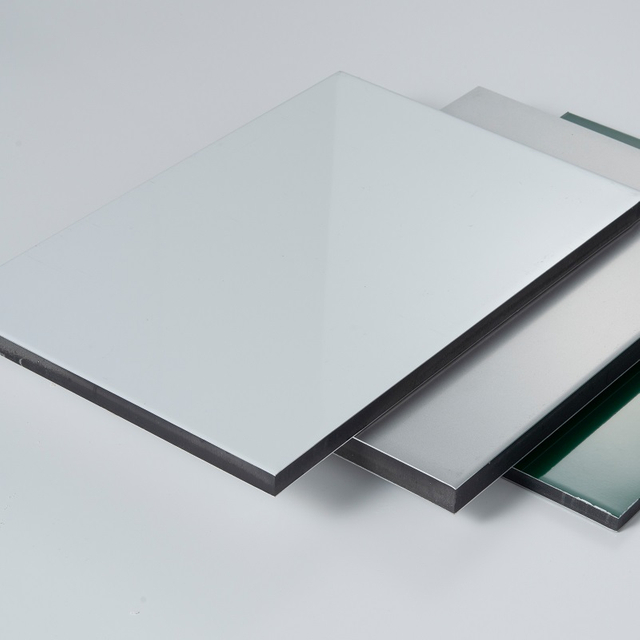
Galvanised steel is often confused with composite materials, but it’s important to recognize that it’s not technically a composite. Galvanised steel is made by coating a base steel material with a layer of zinc. This makes it more resistant to corrosion, but the underlying structure is still steel, not a combination of multiple materials working together.
True composite materials consist of at least two distinct materials, where each material contributes to the overall performance. For example, fiberglass combines glass fibers and resin, while composite steel can involve different metals or alloys. In galvanised steel, however, the zinc coating serves only as a protective barrier and doesn't alter the steel’s fundamental properties.
Feature | Galvanised Steel | True Composite Materials |
Structure | Single material (steel) with zinc coating | Combination of different materials |
Role of Coating | Protective layer (zinc) | Integral part of the material's properties |
Material Interaction | Coating doesn't affect base material | Components interact to form new material |
The zinc coating in galvanised steel acts as a shield, preventing rust and extending the life of the steel. However, this layer is not part of a composite material system. Unlike composites, where multiple materials interact, the zinc is merely a protective layer applied to the steel. It’s not integrated into the steel in a way that changes its inherent properties. Zinc's role is to protect rather than contribute to a new material system.
Galvanised steel composite panels offer a good example to highlight the difference. These panels typically consist of galvanized steel layers with a polyethylene core. While they do combine materials, the core material in composite panels provides a structural function, unlike the zinc coating in galvanised steel, which only offers protection.
In contrast, composite panels use different materials to create a completely new structure that performs better than individual components. For example, the polyethylene core adds lightness and impact resistance to the steel, forming a more complex material system.
Material | Function | Role in Structure |
Galvanised Steel | Steel with zinc coating | Zinc protects, steel remains unchanged |
Composite Steel Panels | Steel + polyethylene core | Core provides structural support |
Galvanised steel does not create a new material system in the same way composite materials do, which is why it’s not considered a true composite.
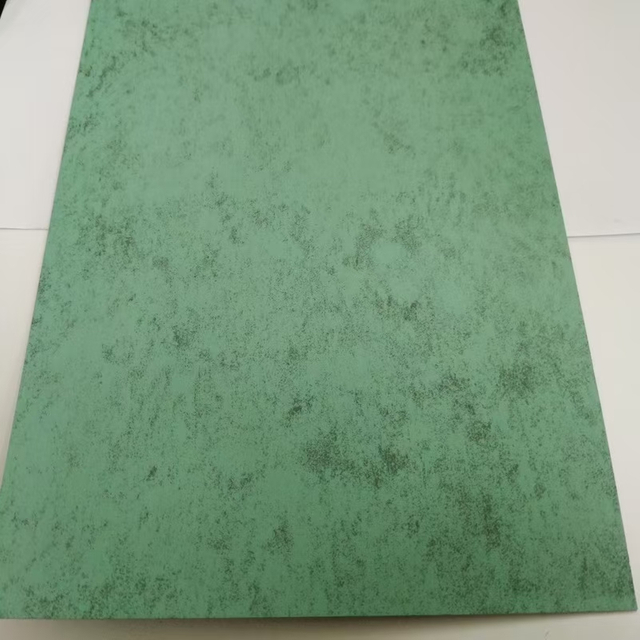
Composite metal panels are made by combining different materials to achieve a new material with superior properties. One common example is galvanized steel composite panels, which combine galvanized steel layers with a core material such as polyethylene. This design takes advantage of the protective properties of zinc and the strength of steel while adding lightweight and impact-resistant qualities through the core.
These panels are an example of how composite materials can combine the best qualities of multiple materials to create a product that is stronger, more durable, and versatile for various applications.
Material Combination | Properties Enhanced | Common Uses |
Galvanized Steel + Polyethylene Core | Corrosion resistance, strength, lightweight | Building facades, roofing, transportation |
Aluminum + Polymer Core | Lightweight, thermal insulation, durability | Exterior cladding, signage |
Composite panels have found a wide range of uses in modern architecture and transportation due to their strength-to-weight ratio and durability.
In construction, these panels are used for building facades, roofing systems, and insulation, offering both aesthetic appeal and practical benefits like thermal insulation. The ability to customize finishes makes them a popular choice for architects.
In transportation, composite panels are used in vehicles like trucks, trailers, and train cars. Their lightweight nature reduces fuel consumption while maintaining strength and resistance to wear and tear.
Some examples include:
● Building facades: Offering protection against the elements while being easy to install.
● Transportation vehicles: Used for parts like siding and panels, enhancing strength and reducing weight.
The role of composite materials in metal fabrication continues to grow, with new innovations making these materials even more effective. In the future, we can expect to see more advanced composites used in aerospace, automotive, and construction industries. New technologies are improving the manufacturing process, making composites more affordable and versatile.
The trend is shifting towards smart composites, which can change their properties in response to environmental conditions, such as temperature or pressure. These advancements will allow for even more specialized applications, especially in fields like space exploration and advanced manufacturing.
Trend | Future Impact | Applications |
Smart Composites | Materials that adapt to environmental changes | Aerospace, automotive, high-performance structures |
Recycling and Sustainability | More sustainable and eco-friendly composites | Green building, renewable energy solutions |
Composite materials are paving the way for next-generation technologies, making metal fabrication more efficient and adaptable to future needs.
Galvanised steel is an alloy, not a composite material. It consists of steel coated with zinc, offering corrosion resistance and durability. This protective coating makes it ideal for applications in construction, automotive, and outdoor products. While not a composite, galvanised steel provides significant value due to its longevity and cost-effectiveness. As the future of materials progresses, composites and alloys will continue to shape engineering innovations. At MC BOND, we provide high-quality composite panels that combine strength, durability, and corrosion resistance for various industries.
A: Galvanised steel is steel coated with a protective layer of zinc, providing enhanced corrosion resistance. This makes it ideal for use in construction, automotive, and outdoor applications.
A: No, galvanised steel is not a composite. It’s an alloy with a zinc coating. Composites involve multiple materials combined for superior properties, unlike galvanised steel.
A: Galvanized steel panels have a zinc coating for rust resistance, while aluminum panels naturally resist corrosion. Both materials are commonly used in building facades and transportation, but aluminum panels tend to be lighter.
A: Galvanized steel panels are durable, cost-effective, and highly resistant to corrosion. They are ideal for construction, roofing, and fencing due to their long-lasting performance.
A: Galvanized steel is used for its strength and corrosion resistance, making it suitable for long-lasting structural applications, including roofing, cladding, and signage.


