
Views: 0 Author: Site Editor Publish Time: 2026-02-10 Origin: Site


Can a hidden material really decide panel performance? Many projects fail because aluminum coil quality gets ignored. This article explains how aluminum coil quality affects ACM Panel strength, flatness, bonding, and durability, and what buyers should expect.
In every ACM Panel, the aluminum coil is not just a surface layer, it becomes the functional outer skin that protects and supports the entire panel structure. During manufacturing, aluminum coils are bonded on both sides of the core, forming a stable sandwich structure that gives the ACM Panel its strength, rigidity, and clean appearance. If the aluminum coil has consistent thickness and stable mechanical properties, the finished panel feels solid and performs predictably during cutting, bending, and installation.
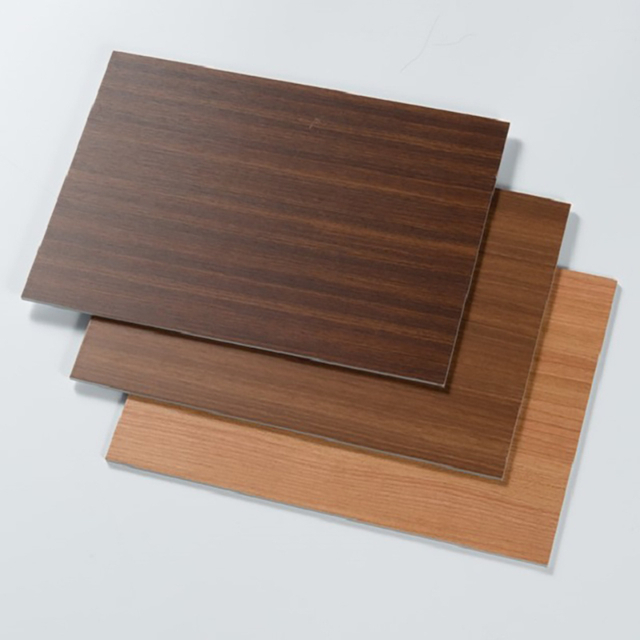
For manufacturers like MC BOND, controlling aluminum coil quality helps ensure each ACM Panel shows uniform color, smooth texture, and reliable load-bearing behavior. When installers handle panels on-site, they can feel the difference immediately. The panels stay straight, resist twisting, and maintain surface integrity even during fabrication.
Key structural functions of aluminum coil in an ACM Panel include:
● Acting as the primary load-bearing skin that resists bending and impact forces
● Protecting the core material from environmental exposure
● Providing a stable base for surface coatings and finishes
Many buyers focus on total ACM Panel thickness, yet aluminum skin thickness plays a much larger role in real performance. The aluminum coil thickness directly influences impact resistance, dent resistance, and long-term durability. A thicker overall panel does not automatically mean stronger aluminum skins, because most thickness variations come from the core, not the coil.
In practical use, aluminum skin thickness affects how an ACM Panel responds to wind pressure, accidental impacts, and repeated handling. Panels with insufficient aluminum skin thickness may look acceptable at first, but they often deform more easily over time.
MC BOND designs its ACM Panels with aluminum skin thickness ranges that match real application needs rather than marketing labels.
Aluminum Skin Thickness | Typical Application Focus |
0.15–0.21 mm | Interior decoration, light signage |
0.21–0.30 mm | Standard exterior cladding |
0.30 mm and above | High-impact or high-wind areas |
This distinction helps customers choose ACM Panels based on performance instead of assumptions.
Uniform aluminum coil thickness is essential for achieving the flat, clean surfaces expected from a high-quality ACM Panel. Even small thickness variations in the coil can lead to surface waviness, stress imbalance, or subtle deformation after lamination. Over time, temperature changes amplify these issues, especially on large façade panels.
Flatness matters because it affects both appearance and installation accuracy. Architects rely on flat ACM Panels to maintain clean lines across building facades, while signage applications need smooth surfaces for printing and visual clarity. MC BOND emphasizes aluminum coil uniformity during material selection to reduce internal stress and improve long-term dimensional stability.
Why coil uniformity supports flat ACM Panels:
● Balanced stress distribution across the panel surface
● Reduced risk of warping during thermal expansion
● Improved visual consistency across large panel areas
Flatness is not accidental. It starts with aluminum coil quality and carries through the entire ACM Panel structure.
Mechanical strength starts at the aluminum coil level and directly shapes how an ACM Panel behaves under real-world stress. Tensile strength, yield stability, and rigidity work together to help panels stay firm when exposed to wind loads, handling pressure, or installation forces. If coil strength varies from batch to batch, panels may bend unevenly or feel unstable during fabrication.
Manufacturers like MC BOND pay close attention to coil consistency because stable strength allows ACM Panels to perform the same way across large projects. When installers cut or bend panels, they expect predictable resistance and clean edges.
How strong aluminum coil improves ACM Panel durability:
● It resists deformation during transportation and installation
● It helps panels handle wind pressure on building façades
● It supports long-term structural integrity without sagging
Coil Strength Indicator | Impact on ACM Panel Performance |
Stable tensile strength | Better resistance to bending and stress |
Uniform rigidity | Consistent panel behavior during fabrication |
Controlled yield point | Reduced risk of permanent deformation |
Aluminum coil naturally forms a thin oxide layer, and this layer acts as the first line of defense for an ACM Panel. High-quality coils develop a uniform and stable oxide surface, helping panels resist corrosion over time. In outdoor environments, this protection becomes critical. Moisture, salt air, and pollution all challenge the aluminum surface daily.
For ACM Panels used in coastal or industrial regions, coil quality plays an even bigger role. If the aluminum coil contains impurities or inconsistent surface conditions, corrosion can start earlier and spread faster.
Environmental factors aluminum coil must handle:
● High humidity and frequent rainfall
● Airborne salts in coastal regions
● Urban pollution and chemical exposure
Environment Type | Coil Property That Matters Most |
Coastal areas | Enhanced corrosion resistance |
Humid climates | Stable oxide layer formation |
Industrial zones | Resistance to chemical exposure |
Not all aluminum alloys behave the same, and alloy choice has a clear effect on ACM Panel performance. Some alloys offer better formability, making panels easier to bend and shape. Others provide higher strength, improving durability in demanding exterior applications. Selecting the right alloy helps balance strength, flexibility, and lifespan.
MC BOND emphasizes controlled alloy selection to ensure ACM Panels meet application-specific needs. For signage, formability may matter more. For façade cladding, strength and corrosion resistance take priority. When alloy properties match the project environment, panels last longer and perform more consistently.
Why alloy selection matters in an ACM Panel:
● It affects how easily panels can be bent or routed
● It influences long-term strength and fatigue resistance
● It impacts corrosion behavior in outdoor settings
Alloy Focus | Typical ACM Panel Use |
High formability | Advertising and decorative panels |
Balanced strength | Standard exterior cladding |
Enhanced durability | High-stress or exposed environments |
Surface cleanliness of the aluminum coil plays a quiet but critical role in how an ACM Panel holds together over time. Oils, dust, or uneven oxide layers on the coil surface interfere with adhesive contact during lamination. When bonding starts on an unstable surface, problems rarely appear immediately. They show up later as bubbling, edge separation, or localized delamination after temperature changes or outdoor exposure.
Manufacturers like MC BOND manage this risk by controlling coil surface preparation before bonding. Clean and uniform aluminum surfaces allow the adhesive layer to grip evenly across the panel. It improves bonding reliability and helps the ACM Panel behave as one solid structure instead of separate layers under stress.
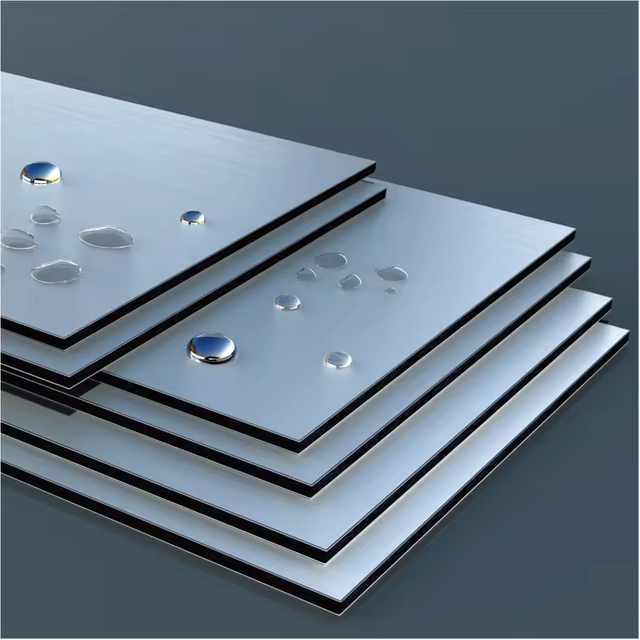
Surface conditions that influence ACM Panel bonding include:
● Residual oils from rolling or handling
● Inconsistent oxide layers across the coil
● Micro-contaminants that block adhesive contact
Coil Surface Condition | Effect on ACM Panel Bonding |
Clean and uniform | Strong, stable adhesion |
Oily or contaminated | Risk of bubbling or separation |
Uneven oxidation | Reduced bonding consistency |
Peel strength measures how firmly the aluminum skins stay bonded to the core, and it is one of the clearest indicators of ACM Panel quality. High peel strength means the panel layers work together under load, heat, and vibration. Low peel strength signals weak bonding, even if the panel looks fine on the surface.
Aluminum coil consistency supports peel strength by giving the adhesive a stable base during co-extrusion and lamination. When coil thickness, surface energy, and cleanliness stay controlled, bonding becomes predictable. MC BOND relies on this consistency to ensure ACM Panels keep their integrity during years of use, transport, and installation without hidden failures.
Why peel strength matters in daily use:
● It prevents layer separation under wind pressure
● It protects panel edges during cutting and bending
● It supports long-term flatness and safety
Peel Strength Level | Practical Outcome for ACM Panel |
High and stable | Long service life, strong integrity |
Marginal | Risk of edge failure over time |
Inconsistent | Unpredictable performance in the field |
Aluminum naturally expands and contracts as temperatures change, and this movement must stay controlled inside an ACM Panel. High-quality aluminum coil expands evenly, allowing the bonding layer to absorb stress without cracking or separating. Poor coil quality creates uneven expansion, which pulls against the adhesive layer and slowly weakens the panel structure.
Flexible bonding systems work best when aluminum coil properties remain consistent across the panel surface. This balance helps ACM Panels stay flat through seasonal temperature cycles. In exterior applications, especially large façades, controlled thermal behavior reduces visible distortion and installation issues while keeping long-term performance stable.
Thermal factors influenced by aluminum coil quality:
● Uniform expansion across the panel surface
● Reduced internal stress during heating and cooling
● Better dimensional stability over time
Temperature Change | Coil Quality Impact on Panel |
Gradual heating | Even expansion, stable bonding |
Rapid cooling | Stress absorption without damage |
Repeated cycles | Maintained flatness and integrity |
Coating quality begins long before paint touches the surface. Aluminum coil quality controls how smoothly coatings spread, cure, and settle on an ACM Panel. When the coil surface stays even and stable, coatings form a uniform film. Gloss looks consistent. Color stays balanced across large panel areas. If the coil surface carries defects or uneven tension, coatings exaggerate those flaws and make them visible after installation.
For branding, signage, and architectural façades, visual consistency matters every day. Panels sit side by side. They catch the same light. Any color shift becomes obvious. Manufacturers like MC BOND rely on controlled aluminum coil quality so coatings perform predictably and keep ACM Panels visually aligned across entire projects.
Visual elements influenced by aluminum coil quality include:
● Surface smoothness and coating flow
● Gloss level stability across batches
● Color consistency between adjacent panels
Coil Quality Factor | Visual Impact on ACM Panel |
Smooth surface | Even coating, clean reflection |
Stable tension | Consistent gloss and color tone |
Controlled thickness | Reduced visual distortion |
Outdoor performance of an ACM Panel depends heavily on how well the aluminum coil supports protective coatings over time. High-quality coils allow PVDF or PE coatings to bond evenly and cure correctly. This support improves resistance to UV radiation, rain, temperature swings, and airborne pollutants. When coil quality drops, coatings may age unevenly. Fading, chalking, or micro-cracking often appear sooner than expected.
In long-term exterior use, aluminum coil quality helps coatings stay flexible while protecting the panel surface. They expand and contract together during seasonal changes. This balance extends service life and reduces maintenance needs. For architects and project owners, it means ACM Panels retain appearance and protection year after year, even under demanding outdoor conditions.
Environmental stresses coatings must handle on ACM Panels:
● Continuous UV exposure and heat cycles
● Moisture, rain, and humidity changes
● Airborne pollutants and urban dust
Coating durability does not stand alone. It depends on aluminum coil quality supporting the coating from the first layer to the last year of service.
Aluminum coil quality shapes how an ACM Panel performs in strength, flatness, bonding, and durability. High-quality coils support stable coatings, reliable structure, and long service life in real projects. By controlling materials and processes, MC BOND delivers ACM Panel solutions that provide consistent performance, visual stability, and dependable value for architectural and signage applications.
A: An ACM Panel uses aluminum skins, and coil quality controls strength and flatness.
A: Strong coils help an ACM Panel resist wind pressure and installation stress.
A: Good coils support coatings, helping the ACM Panel resist fading and weather damage.
A: Yes, weak coils may lead to delamination, warping, or early surface defects.
A: MC BOND controls coil selection and processing to deliver stable, high-value ACM Panel products.


