
Views: 0 Author: Site Editor Publish Time: 2026-03-19 Origin: Site


Choosing the right cladding can be confusing. Should you pick Aluminum Composite Panel or aluminum siding?This article explains their key differences. We focus on performance, cost, and design. In this article, you will learn which option fits modern buildings better.
When we talk about modern cladding, Aluminum Composite Panel often comes up first. It is not just a metal sheet. It is a layered material designed for performance and flexibility. Instead of using a single solid layer, it combines multiple materials into one panel.
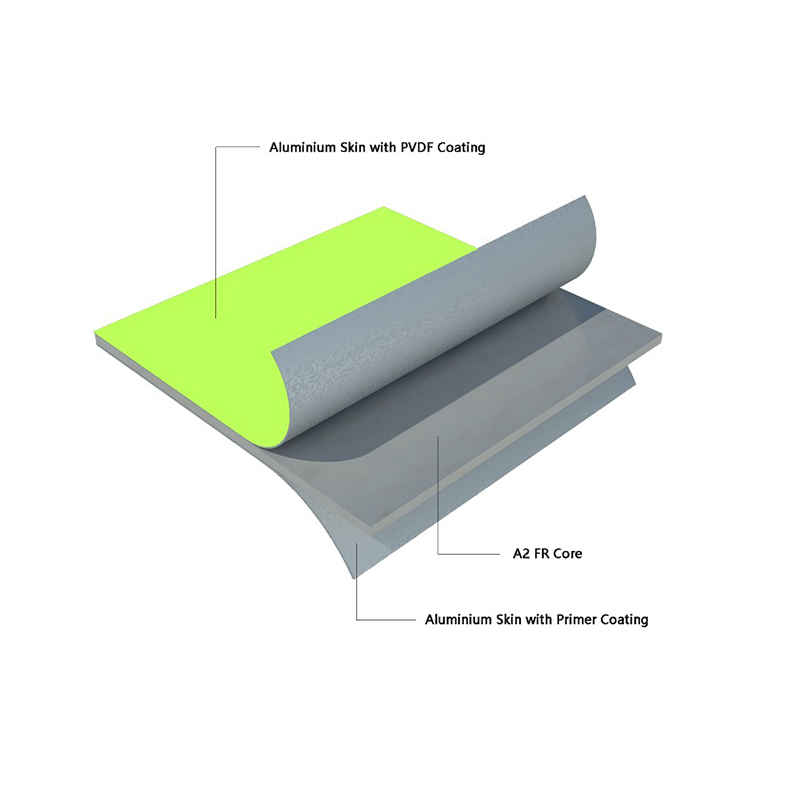
At its core, an Aluminum Composite Panel uses a sandwich structure. Two thin aluminum sheets sit on the outside. A functional core stays in the middle. This structure gives it strength while keeping the weight low. It also improves handling during installation.
Typical ACP structure:
● Outer aluminum skin: provides strength and weather protection. It also carries coatings like PVDF for color durability.
● Core layer: usually PE, FR, or mineral-filled. It improves rigidity and thermal behavior.
● Back aluminum sheet: stabilizes the panel and supports fabrication.
From a practical point of view, this design changes everything. It becomes easier to transport. It bends without cracking. It keeps a flat surface even on large facades.
Here is a simple breakdown:
Component | Function | Benefit |
Aluminum skin | Exterior protection | Corrosion resistance and durability |
Core material | Structural support | Lightweight and thermal performance |
Back layer | Stability | Maintains panel shape |
Another reason why Aluminum Composite Panel is widely used is its design freedom. It supports different finishes and colors. It adapts to modern architecture without limits. It can be cut, grooved, bent, or shaped into curves. This is very hard to achieve using solid metal.
From what we see in real projects, panels like those from MC BOND are engineered for consistency. They maintain flatness across large surfaces. They also allow smooth fabrication during installation. This matters a lot when buildings require clean lines and modern appearance.
Key characteristics of Aluminum Composite Panel:
● It is lightweight, so workers install it faster. This reduces labor cost in large projects.
● It has excellent flatness. That creates a clean and premium facade look.
● It offers flexibility in design. Architects can create complex shapes and patterns.
● It supports fire-rated cores. This helps meet modern building codes.
So when we look at it as a whole, Aluminum Composite Panel is not just cladding. It is a designed system for modern buildings.
Aluminum siding is much simpler in structure. It uses solid aluminum sheets without any core layer. This makes it a traditional and straightforward cladding material. Many residential and older buildings still use it today.
In basic terms, aluminum siding acts as a protective outer layer. It covers walls and shields them from rain, wind, and sunlight. Because aluminum naturally resists corrosion, it performs well in outdoor environments.
Main features of aluminum siding:
● It uses a single-layer aluminum sheet. This makes the structure simple and predictable.
● It offers good durability. It resists rust and performs well in harsh weather.
● It is relatively lightweight compared to heavy materials like stone or brick.
● It requires low maintenance. Cleaning usually involves only water and mild detergent.
Even though it is simple, it still works reliably. Many builders choose it for projects where performance matters more than design complexity.
Let’s compare its core properties:
Feature | Aluminum Siding | Aluminum Composite Panel |
Structure | Solid aluminum sheet | Multi-layer composite |
Weight | Lightweight | Even lighter |
Flexibility | Limited | High |
Design options | Basic finishes | Wide range of textures and colors |
However, from a modern construction perspective, it has clear limitations. It does not offer the same level of design flexibility. It is harder to shape into complex forms. Large surfaces may not look as flat or refined as composite panels.
Another point is installation adaptability. While aluminum siding is easy to install, it lacks the fabrication advantages seen in Aluminum Composite Panel systems. It cannot be grooved or folded in the same way.
When comparing these two materials, weight and structure create the biggest difference. Aluminum Composite Panel uses a layered design. It reduces weight but keeps good rigidity. This makes it easier to transport and install, especially on large facades.
Aluminum siding uses solid sheets. It provides direct strength and impact resistance. It works well in simple or heavy-duty applications. However, it adds more load to the building structure.
Key differences in practice:
● Aluminum Composite Panel is lighter and easier to handle during installation.
● It maintains better flatness on large surfaces, which suits modern design.
● Aluminum siding offers strong single-layer durability but less flexibility.
Fire safety depends on material structure. Aluminum siding is naturally non-combustible. It meets strict fire requirements without modification. This makes it reliable in high-risk environments.
Aluminum Composite Panel depends on the core material. Standard cores may have lower fire resistance. Fire-rated cores (FR or A2) improve safety significantly.
Material Type | Fire Performance | Application Suitability |
Aluminum siding | Non-combustible | High-rise, strict codes |
Standard ACP | Limited resistance | Low-risk projects |
FR / A2 ACP | Flame retardant | Commercial buildings |
In modern projects, many choose fire-rated Aluminum Composite Panel to balance safety and design flexibility.
Both materials resist corrosion and perform well outdoors. Aluminum naturally protects itself from rust. This gives both options strong durability in most climates.
Aluminum Composite Panel adds protective coatings. These improve UV resistance and color retention. It performs better in maintaining appearance over time.
● ACP keeps color stable under sunlight.
● It resists deformation in changing temperatures.
● Aluminum siding remains durable but may show aging faster.
In long-term use, siding may last longer structurally. ACP often keeps a cleaner and more modern look.
Maintenance affects long-term cost. Aluminum siding needs more attention. It may dent or require repainting over time. Surface damage is more visible.
Aluminum Composite Panel is easier to maintain. Its smooth coating resists dirt. Cleaning is simple and fast. It also keeps its appearance longer.
Maintenance comparison:
● Aluminum Composite Panel:
○ Easy to clean, low maintenance effort
○ Better resistance to stains and fading
● Aluminum siding:
○ May require repair or repainting
○ More sensitive to dents and scratches
For commercial projects, Aluminum Composite Panel is often preferred. It reduces maintenance work and keeps a consistent facade appearance.
When we talk about modern buildings, appearance matters a lot. It is not just about protection anymore. It is about style, identity, and visual impact. This is where Aluminum Composite Panel stands out clearly.
Aluminum Composite Panel offers a wide range of finishes. It supports PVDF coatings, anodized surfaces, and even special textures. These options help architects create unique designs. They can match brand identity or architectural themes easily.
Common finish options for Aluminum Composite Panel:
● Solid colors for clean and minimal designs
● Metallic finishes for modern commercial buildings
● Wood or stone textures for natural aesthetics
● Anodized surfaces for premium appearance
Aluminum siding is more limited. It mainly keeps a metallic look. Some color coatings are available, but variation is not as flexible. It works for simple designs but lacks creativity for modern architecture.
This difference becomes clear in large projects. Buildings today aim for strong visual identity. Aluminum Composite Panel makes this possible.
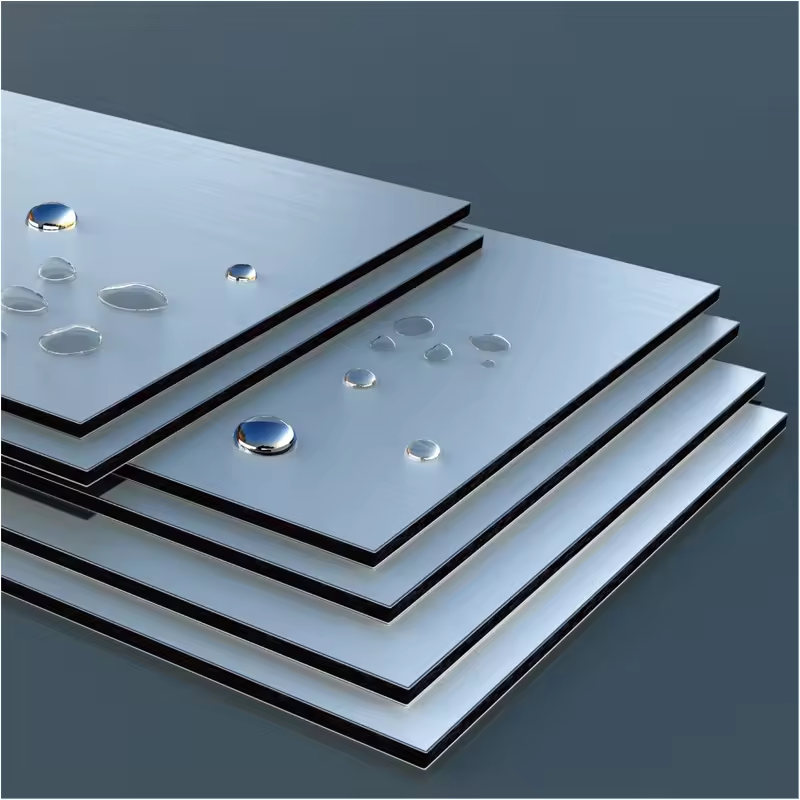
One major advantage of Aluminum Composite Panel is how easy it is to process. It can be cut, bent, grooved, and shaped without damage. This makes it ideal for complex facade designs.
Aluminum siding is less flexible. It can be cut and installed easily, but shaping is limited. It does not support advanced fabrication techniques like grooving or folding.
Fabrication advantages of Aluminum Composite Panel:
● It can be bent into curves or angles. This allows creative facade shapes.
● It supports grooving for folding edges. This improves panel connection and appearance.
● It keeps surface flat even after processing. This is important for large panels.
Installation also becomes more efficient. Lightweight panels reduce labor effort. Workers can handle larger panels with fewer tools. Systems like MC BOND Aluminum Composite Panel are designed for consistent fabrication. This improves installation speed and accuracy.
Choosing the right material depends on the project type. Both materials have their place, but their applications are different.
Aluminum Composite Panel is widely used in modern construction. It fits both exterior and interior design needs. Its flexibility makes it suitable for many industries.
Typical uses of Aluminum Composite Panel:
● Building facades and curtain walls
● Commercial signage and branding panels
● Interior wall decoration and ceilings
● Renovation projects for modern upgrades
Aluminum siding is more common in simpler projects. It works well in residential buildings or basic exterior coverings.
Application Type | Aluminum Composite Panel | Aluminum Siding |
Commercial facades | Highly suitable | Limited use |
Residential buildings | Suitable | Common |
Interior decoration | Yes | Rare |
Complex structures | Excellent | Not ideal |
Modern architecture focuses on clean lines and bold design. It also values flexibility and efficiency. Aluminum Composite Panel fits these trends naturally.
It supports large flat surfaces. It allows seamless panel joints. It works well in high-end commercial and public buildings. It also adapts to minimalist design styles.
Aluminum siding does not fully meet these needs. It works for traditional or simple designs. However, it struggles in projects requiring precision and customization.
Why Aluminum Composite Panel aligns with modern trends:
● It creates smooth and uniform facade surfaces
● It supports custom shapes and large panels
● It offers consistent color and texture options
In today’s building design, we see a clear shift. More projects move toward materials that combine performance and design. Aluminum Composite Panel, especially from manufacturers like MC BOND, fits this direction very well.
When we compare cost, we should not only look at the price tag. We need to think about installation, maintenance, and long-term performance. Aluminum Composite Panel often shows better balance over time, even if prices vary by type and specification.
Aluminum siding usually has a stable material cost. It is simple to produce. However, installation may require more structural support. It can also lead to higher labor costs in large projects.
Aluminum Composite Panel offers more flexibility in pricing. Standard panels are affordable. Premium panels, such as fire-rated or special finishes, cost more. Still, its lightweight nature reduces installation time. This lowers overall project cost.
Cost Factor | Aluminum Composite Panel | Aluminum Siding |
Material cost | Flexible (low to high range) | Moderate to high |
Installation cost | Lower (easy handling) | Higher (heavier panels) |
Maintenance cost | Low | Medium |
Lifecycle value | High | Stable |
Energy performance is becoming more important in modern buildings. Materials are not only for protection. They also affect energy consumption.
Aluminum siding is a solid metal sheet. It conducts heat easily. It does not provide insulation by itself. Additional insulation layers are often required behind it.
Aluminum Composite Panel performs differently. Its core layer adds thermal resistance. This helps reduce heat transfer. It improves building energy efficiency, especially in hot or cold climates.
Thermal performance insights:
● ACP core reduces direct heat transfer through the panel
● It helps maintain indoor temperature stability
● It supports energy-saving building design
Sustainability is now part of material selection. Aluminum siding has a clear advantage in recyclability. Solid aluminum can be recycled easily. It also saves energy during recycling.
Aluminum Composite Panel is more complex. It combines aluminum and core materials. This makes recycling more difficult. However, modern processes are improving. Some manufacturers are developing better recycling methods.
Environmental considerations:
● Aluminum siding:
○ High recyclability rate
○ Long lifespan reduces waste
● Aluminum Composite Panel:
○ Lower recyclability due to mixed materials
○ Better energy efficiency during use
○ Reduced material usage due to lightweight design
Choosing the right material depends on your project needs. It is not only about performance. It is about balance between cost, design, and function.
If the project is simple, aluminum siding can work well. It provides durability and safety. It is suitable for residential buildings or basic structures.
If the project requires design flexibility, Aluminum Composite Panel is more suitable. It adapts to modern architecture. It also improves installation efficiency.
Decision factors to consider:
● Budget: ACP offers flexible pricing and lower installation cost
● Safety: choose fire-rated ACP or solid aluminum based on regulations
● Design: ACP supports modern and complex facade designs
● Project type: commercial projects favor ACP, residential projects may use siding
● Climate: ACP performs better in temperature variation
In many modern buildings, we see a clear trend. Aluminum Composite Panel, especially solutions from manufacturers like MC BOND, is chosen for projects requiring both performance and visual impact.
Aluminum Composite Panel offers better design and flexibility. Aluminum siding gives simple and strong protection. For modern buildings, ACP fits better. MC BOND provides reliable Aluminum Composite Panel solutions, combining quality, performance, and efficient installation value.
A: Aluminum Composite Panel is used for facades, interiors, and signage.
A: Aluminum Composite Panel offers more design flexibility and lighter weight.
A: Aluminum Composite Panel can last over 20 years with proper coating.
A: Fire-rated Aluminum Composite Panel meets modern building safety standards.
A: Aluminum Composite Panel often reduces installation and maintenance costs.


