
Views: 0 Author: Site Editor Publish Time: 2026-03-19 Origin: Site


Why do modern buildings choose Aluminum Composite Panel? Traditional siding often fails under harsh conditions. This article explores Aluminum Composite Panel for exterior metal wall panels. You will learn its benefits, performance, and how it improves modern façade systems.
An Aluminum Composite Panel is a modern cladding material built using a layered structure. It combines two thin aluminum sheets and a central core material. This design creates a balance between strength and weight. It also allows the panel to stay flat over large surfaces. That matters a lot in exterior metal wall panels, where visual consistency is critical.
Instead of using solid metal, this composite approach improves performance. The aluminum layers provide rigidity and protection. The core reduces weight and adds insulation. Because of this, the panel becomes easier to transport and install. It also reduces the structural load on buildings.
In real projects, the type of core changes everything. It affects safety, cost, and performance. Below is a simple comparison:
Core Type | Description | Best Use Scenario | Fire Performance |
PE Core | Polyethylene core, lightweight and economical | Signage, low-rise buildings | Combustible |
FR Core | Fire-retardant core with mineral fillers | Commercial facades | Improved fire resistance |
A2 Core | Non-combustible mineral core | High-rise and public buildings | Highest safety level |
This layered system is the reason why Aluminum Composite Panel works so well. It keeps the panel strong without making it heavy. It also helps prevent warping, cracking, or deformation over time.
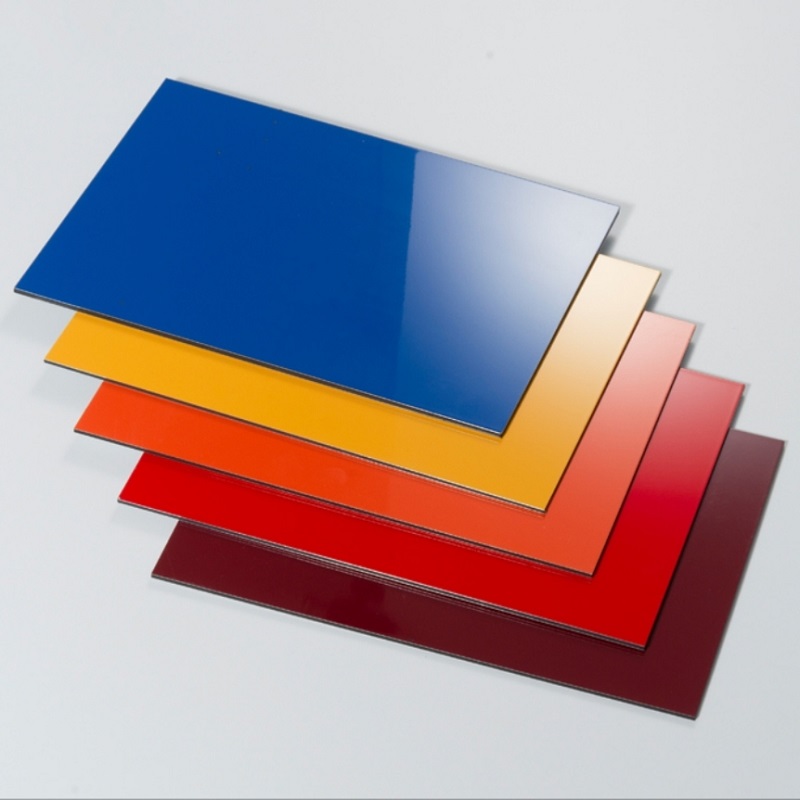
When used as composite siding, Aluminum Composite Panel becomes part of a complete exterior wall system. It is not just a surface material. It works together with substructures, insulation layers, and ventilation systems. This integration improves both performance and durability.
In exterior metal wall panels, ACP acts as the outer protective layer. It shields the building from rain, UV exposure, and temperature changes. At the same time, it provides a clean and modern architectural appearance. That is why it is widely used in commercial buildings and contemporary designs.
Key Roles of Aluminum Composite Panel in Wall Systems:
● Acts as a weather-resistant outer layer
● Enhances façade aesthetics and design flexibility
● Protects internal wall structures from environmental damage
● Supports energy efficiency when combined with insulation
One important application is in curtain wall systems. Here, Aluminum Composite Panel is mounted onto a framework. It forms a continuous outer skin. This system allows buildings to achieve a sleek and uniform look while maintaining structural safety.
Another advanced application is the rain screen system. Instead of sealing everything tightly, it creates a ventilated cavity behind the panel. This allows moisture to escape and air to circulate. It reduces long-term damage caused by trapped water.
When we compare siding materials, we are really comparing long-term performance. Aluminum Composite Panel offers a more balanced solution for modern exterior metal wall panels. It combines strength, flexibility, and visual consistency. Traditional siding still has value, but it often requires compromises in durability or maintenance.
To better understand the difference, we can look at key performance factors in real use:
Material | Durability | Flexibility | Lifespan | Typical Limitation |
Aluminum Composite Panel | High | High | 20+ years | Higher upfront cost |
Vinyl Siding | Medium | Medium | 10–20 years | Fading, cracking |
Wood Siding | Medium | Low | 10–15 years | Rot, insects |
Fiber Cement | High | Low | 15–25 years | Heavy, less adaptable |
We also see clear advantages in specific scenarios:
● For commercial buildings, ACP maintains consistent color and alignment. This improves the overall façade quality and brand image.
● For complex designs, it can be bent or shaped. Other materials often cannot achieve the same flexibility.
● For humid or coastal areas, it resists corrosion and moisture. Wood and metal alternatives may fail faster in these conditions.
MCBOND improves this further by offering stable panel dimensions and reliable surface quality. This helps reduce installation errors and keeps façade performance consistent across projects.
Exterior walls face constant exposure to sun, rain, and temperature changes. Aluminum Composite Panel is designed to handle these conditions. Its aluminum surface protects against corrosion, while advanced coatings improve resistance to fading and wear.
Instead of degrading over time, it maintains both structure and appearance. This is important for buildings where long-term performance matters.
Key durability features:
● UV resistance helps maintain color stability. Panels do not fade easily even after long exposure.
● Moisture resistance prevents water absorption. This reduces the risk of internal damage or corrosion.
● Temperature stability allows panels to perform in both hot and cold climates. They do not easily crack or deform.
In high-wind or high-impact environments, Aluminum Composite Panel also performs well. Its layered structure absorbs stress and maintains integrity. This makes it suitable for high-rise buildings and exposed locations.
MCBOND enhances these benefits through controlled coating processes and strong bonding technology. This ensures panels remain stable over long periods, even in challenging environments.
Initial cost is only part of the decision. Over time, maintenance becomes a major factor. Aluminum Composite Panel requires very little upkeep. This makes it more cost-effective in the long run.
Unlike traditional siding, it does not need frequent repair or repainting. Its surface remains clean and stable for years.
Maintenance comparison in daily use:
● Aluminum Composite Panel
It only needs periodic cleaning. Dirt can be removed using water and mild detergent. No sealing or repainting is required.
● Wood siding
It needs regular painting and protection. Moisture control is necessary to prevent damage.
● Vinyl siding
It requires cleaning and may fade over time. Replacement may be needed after long exposure.
● Fiber cement
It needs repainting after several years. This increases maintenance cost.
MCBOND panels are designed for durability and easy cleaning. Their coating quality helps resist dirt and weather damage. This further reduces maintenance effort over time.
Modern architecture requires materials that support creativity. Aluminum Composite Panel offers strong design flexibility. It allows architects to achieve both simple and complex visual effects.
Instead of limited options, ACP provides a wide range of finishes. It can match different styles while maintaining performance.
Design Feature | Aluminum Composite Panel Capability | Benefit |
Color Options | Wide range, including custom colors | Matches branding and design themes |
Surface Finish | Matte, glossy, metallic, textured | Enhances visual depth |
Material Effect | Can mimic wood, stone, or metal | Combines aesthetics and durability |
Formability | Can be bent or curved | Supports complex façade designs |
This flexibility makes it suitable for both commercial and residential projects. It also allows consistent appearance across large surfaces, which is difficult for traditional siding.
MCBOND supports this with customized finishes and precise color control. Their panels maintain uniformity across batches. This helps achieve clean and modern exterior metal wall panel designs.
Aluminum Composite Panel improves efficiency from the start. It is much lighter than solid metal panels. This reduces the load on building structures. It also makes handling easier during transport and installation. Workers can move and position panels faster, which saves time on-site.
Instead of heavy lifting and complex tools, installers can work more efficiently. This leads to lower labor costs and fewer delays. For large façade projects, this difference becomes very noticeable.
Why lightweight matters in real projects:
● It reduces structural stress on the building frame
● This allows lighter support systems and lowers overall construction costIt speeds up installation
● Teams can install more panels in less time, improving project timelinesIt simplifies fabrication
Panels can be cut, bent, and shaped easily to match design needsMCBOND supports this advantage by offering stable panel sizes and consistent flatness. Their panels are easy to process and adapt to different façade layouts. This reduces on-site adjustments and improves installation accuracy.
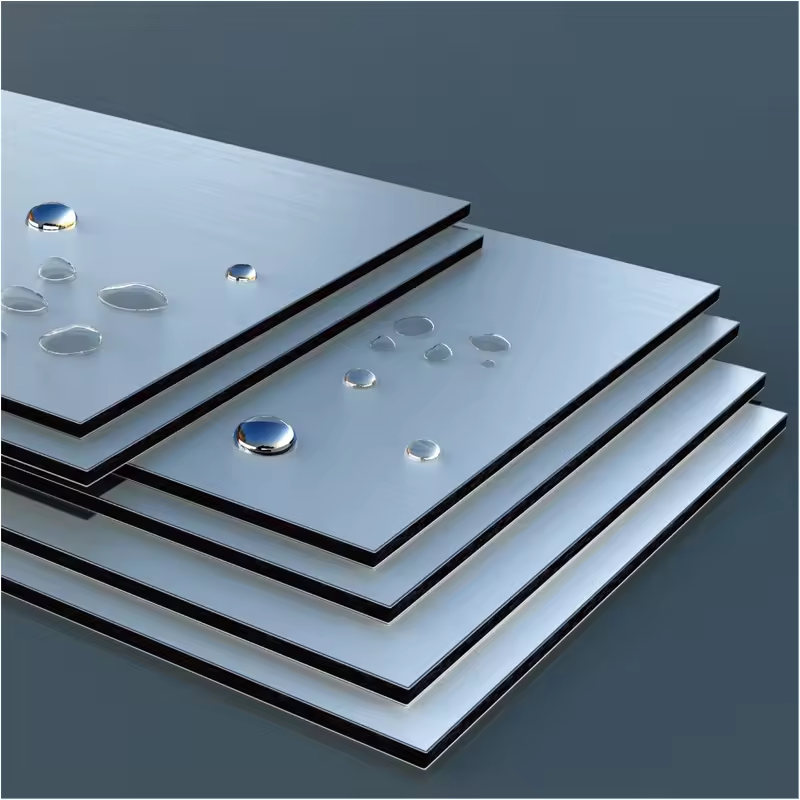
Aluminum Composite Panel also contributes to building energy performance. Its composite core provides a layer of insulation. While it is not the only insulation system, it supports overall thermal control.
When used in exterior wall systems, it helps reduce heat transfer. This keeps indoor temperatures more stable. As a result, buildings require less energy for heating or cooling.
Key energy-related benefits include:
● Reduced heat gain in hot climates
● The outer aluminum layer reflects sunlight, lowering surface temperatureImproved insulation performance
● The core material slows down heat transfer through the wallBetter energy efficiency in façade systems
It works together with insulation layers to reduce energy consumptionIn modern construction, energy efficiency is important. Aluminum Composite Panel fits well into sustainable design strategies. It helps improve building performance without adding extra weight.
Fire safety is a critical factor in exterior wall materials. Aluminum Composite Panel offers different core options to meet project requirements. Each type provides a different level of fire resistance.
Core Type | Fire Behavior | Typical Application |
PE Core | Combustible | Signage, low-rise use |
FR Core | Fire-retardant | Commercial buildings |
A2 Core | Non-combustible | High-rise, public buildings |
Choosing the right core depends on building type and regulations. High-rise buildings require stricter standards. In these cases, FR or A2 cores are preferred.
It is important to match the panel specification to local fire codes. This ensures safety and compliance. MCBOND provides multiple core options, allowing projects to select suitable solutions based on safety requirements and budget.
Aluminum Composite Panel works well in advanced cladding systems. It is often used in ventilated façades and rain screen designs. These systems improve building performance over time.
Instead of sealing the wall completely, a rain screen creates a gap behind the panel. This allows air to circulate. It also helps remove moisture, preventing damage inside the wall.
How ACP improves cladding system performance:
● Supports ventilated façade design
● Airflow reduces heat buildup and improves comfort inside the buildingEnhances moisture control
● Water does not get trapped behind panels, reducing long-term damageImproves façade durability
The system extends the lifespan of both panels and wall structuresIn practice, this means better long-term performance. The building stays protected from weather and moisture. Aluminum Composite Panel acts as a reliable outer layer in these systems.
Choosing the right Aluminum Composite Panel depends on project type and environment. Consider these points:
● Commercial façades require panels that handle large surfaces and wind pressure.
● Residential projects prioritize appearance and lightweight installation.
● Industrial applications demand durability against impact, chemicals, or extreme conditions.
● Environmental exposure also matters:Coastal or humid areas need corrosion-resistant panels.
● Urban sites benefit from UV- and pollution-resistant coatings.
MCBOND provides options that address these needs, ensuring long-lasting performance without compromising aesthetics.
Core material determines fire performance and weight. Coatings protect panels from weather and UV damage. Key considerations include:
● PE cores: lightweight, cost-effective, suitable for signage and low-rise projects.
● FR cores: slow fire spread, ideal for commercial façades.
● A2 cores: non-combustible, required for high-rise or public buildings.
● PVDF coatings: long-lasting color retention and UV resistance.
● PE coatings: suitable for less exposed areas.
Core Type | Fire Rating | Ideal Use |
PE | Combustible | Signage, low-rise |
FR | Fire-retardant | Commercial façades |
A2 | Non-combustible | High-rise, public buildings |
Panel dimensions affect rigidity, performance, and installation. Consider:
● Thickness: thicker panels add stability; thinner panels allow bending or curves.
● Width: larger panels cover more area efficiently.
● Customization: cutting, bending, and coating options allow façades to match precise designs.
Aluminum Composite Panel offers light weight, strong durability, and modern design for exterior walls. It reduces maintenance and improves energy performance. MC BOND provides reliable panels, stable quality, and flexible solutions, helping projects achieve long-lasting and efficient façade systems.
A: Aluminum Composite Panel is used for exterior metal wall panels and façade cladding.
A: Aluminum Composite Panel offers better durability, lower maintenance, and modern design flexibility.
A: Aluminum Composite Panel can last over 20 years with proper installation and minimal upkeep.
A: Aluminum Composite Panel can use FR or A2 cores for higher fire safety in buildings.
A: Aluminum Composite Panel only needs simple cleaning to keep its appearance and performance.


