
Views: 0 Author: Site Editor Publish Time: 2025-10-14 Origin: Site


Aluminum composite panels (ACPs) have revolutionized modern construction with their remarkable versatility and durability. But what exactly makes them so popular? In this article, we will explore the wide-ranging applications of ACPs and delve into the key benefits of aluminum composite panels. By the end, you'll understand why ACPs are a top choice for architects and builders around the world.
Aluminum composite panels consist of two thin sheets of aluminum with a core material made from mineral fillers or polyethylene. This 'sandwich' structure combines the lightweight properties of aluminum with the strength and durability provided by the core material. This combination makes ACPs both strong and easy to handle, offering an excellent solution for a range of applications, including facades, signage, and interior design.
There are different types of aluminum composite panels available, depending on the core material and surface finish. The most common types include:
Fire-Rated Panels: These offer additional protection in case of fire, making them ideal for high-rise buildings.
Anti-Corrosion Panels: ACPs with added resistance to harsh environmental conditions, perfect for coastal or industrial applications.
High-Performance Panels: These are designed for specialized applications where durability and resistance to wear are crucial.
Aluminum composite panels are also available in various finishes such as solid colors, metallics, and custom textures that mimic natural materials like wood or marble.
ACPs are widely used in modern architecture for facade cladding and exterior design. The ability to create sleek, modern facades while improving the energy efficiency of buildings has made ACPs an excellent choice for construction projects.
Weather Resistance: ACPs can withstand extreme weather conditions such as heavy rain, snow, and intense sunlight, making them ideal for buildings in harsh climates.
Design Flexibility: ACPs can be bent, shaped, and cut to fit complex designs, allowing architects to push the boundaries of modern building aesthetics.
Due to their lightweight nature and ability to be easily printed on, aluminum composite panels are often used in signage and advertising. Whether it’s for commercial buildings, billboards, or retail stores, ACPs offer a durable and eye-catching option for branding and marketing.
Printability: ACPs accept various printing methods, including screen printing and digital printing, making them highly customizable for advertising purposes.
Durability: Unlike traditional signage materials, ACPs are resistant to fading, ensuring long-lasting visibility.
In addition to exterior applications, aluminum composite panels are also used for interior decoration and design. From wall panels to room dividers, ACPs provide a sleek and modern look that can complement a variety of interior styles.
Aesthetic Appeal: ACPs are available in a wide range of finishes that suit different interior design trends, such as contemporary, minimalist, or industrial styles.
Ease of Installation: The lightweight nature of ACPs makes them easy to handle and install, reducing time and labor costs for interior projects.
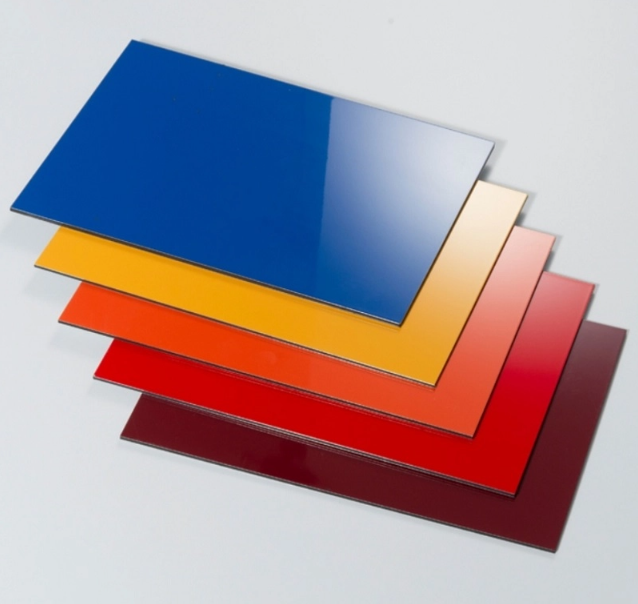
One of the primary benefits of aluminum composite panels is their durability. Due to their robust structure, ACPs can withstand extreme weather conditions, making them ideal for both exterior facades and interior applications exposed to harsh conditions.
Impact Resistance: The multi-layer structure of ACPs helps protect against physical damage, such as dents and scratches.
Corrosion Resistance: The aluminum surface coating prevents corrosion, ensuring that ACPs maintain their aesthetic and functional properties for years.
Another key benefit of ACPs is their aesthetic flexibility. These panels are available in a wide range of colors, finishes, and textures, allowing architects and designers to create unique and modern designs for both the exterior and interior of buildings.
Variety of Finishes: ACPs come in solid, metallic, and matte finishes, as well as textures that mimic natural materials like wood, stone, and marble.
Customization: ACPs can be cut, shaped, and molded to fit complex architectural designs, giving designers complete creative freedom.
Compared to other materials such as stainless steel or solid aluminum, aluminum composite panels are relatively cost-effective. The lightweight design of ACPs also makes them easier and faster to install, which can significantly reduce labor costs and construction timelines.
Lower Material Costs: ACPs offer a more economical solution without compromising on quality or durability.
Efficient Installation: Due to their light weight, ACPs are easier to transport and handle, reducing installation time and costs.
Aluminum composite panels are low maintenance and easy to clean, which makes them a highly practical material for both residential and commercial buildings. The protective coating on ACPs ensures that they remain resistant to dirt, stains, and grime.
Easy Cleaning: Simply wiping down the surface with a clean cloth is enough to keep the panels looking like new.
Long-Term Durability: The minimal maintenance required helps reduce long-term costs associated with repairs and replacements.
Aluminum composite panels contribute to sustainable construction by being made from recycled aluminum and being fully recyclable at the end of their lifespan. This reduces the environmental impact of the material and supports the growing demand for eco-friendly building materials.
Recyclability: ACPs can be fully recycled, making them an environmentally responsible choice.
Reduced Carbon Footprint: Using recycled aluminum in ACPs helps reduce the carbon footprint compared to using virgin materials.
ACPs also contribute to energy efficiency in buildings. The core material provides thermal insulation, reducing the need for heating or cooling in buildings, which leads to energy savings.
Thermal Insulation: ACPs help maintain a stable indoor temperature by providing an additional layer of insulation, reducing energy consumption for heating or cooling.
Using aluminum composite panels in building projects can contribute to achieving green building certifications such as LEED (Leadership in Energy and Environmental Design). These certifications are awarded to buildings that meet specific environmental and energy efficiency standards.
LEED Points: ACPs can contribute to gaining LEED points, which are awarded for using sustainable materials in construction.
While ACPs offer numerous benefits, there are still installation challenges to consider. Proper installation is essential to ensure that ACPs perform as expected over time.
Secure Installation: Panels must be securely fastened to prevent movement or warping over time.
Handling Complex Designs: Complex shapes or large-scale installations may require specialized tools or additional labor.
Though ACPs are recyclable, proper disposal and recycling processes need to be followed to ensure that the environmental benefits are fully realized at the end of the product's life cycle.
Proper Disposal: Ensure that ACPs are disposed of responsibly to prevent environmental damage during disposal.
In high-traffic environments, such as commercial spaces, the panels may be subject to more wear and tear. Regular maintenance is required to maintain their visual appeal and performance.
Routine Inspections: Check for signs of damage or fading, especially in areas where the panels are exposed to heavy use or harsh conditions.
MC BOND aluminum composite panels offer a combination of durability, aesthetic flexibility, and excellent performance, making them ideal for modern construction. Whether used for exterior facades or interior designs, these panels deliver the perfect balance of strength, beauty, and sustainability. For projects seeking versatility and long-lasting results, MC BOND provides an exceptional solution with superior features and high-quality products.
A: Aluminum composite panels are widely used in architecture for facades, signage, and interior decoration due to their durability, aesthetic flexibility, and ease of installation.
A: The benefits include enhanced durability, low maintenance, high aesthetic appeal, and excellent insulation properties, making them a top choice for modern building projects.
A: ACPs are easy to install due to their lightweight nature, allowing for quick and efficient handling. They can be attached to walls, ceilings, and other structures with minimal effort.


