
Views: 0 Author: Site Editor Publish Time: 2025-10-17 Origin: Site


Aluminum composite panels (ACPs) have revolutionized modern architecture with their perfect blend of aesthetics, strength, and sustainability. As a result, they are becoming a top choice for construction projects worldwide.
In this guide, we will explore the key features and benefits of ACPs in building design. You will learn how these panels provide practical, cost-effective, and sustainable solutions for contemporary architecture.
One of the standout features of aluminum composite panels is their unique composite structure. Made from two thin layers of aluminum surrounding a core material (often made of polyethylene or mineral-based fillers), ACPs are significantly lighter than solid aluminum sheets of the same thickness. Despite being lightweight, they retain high strength and impact resistance, making them suitable for a wide range of applications in construction.
Benefits:
Reduced load on the building structure, making them ideal for facades and cladding.
High resistance to impact, twisting, and extreme weather conditions.
Excellent option for both residential and commercial buildings.
Tip: For projects requiring lightweight but durable materials, ACPs are a great choice due to their combination of strength and reduced weight.
ACPs offer architects a broad palette of design options. Available in a range of finishes—solid, metallic, and even finishes that mimic natural materials like wood and marble—these panels can be customized to suit any design vision. Moreover, ACPs can be fabricated into complex shapes and curves, providing endless creative possibilities for modern buildings.
Benefits:
Customization options in color and texture allow for unique, striking designs.
Flexibility to mold and adapt the panels to different architectural styles and requirements.
The ability to create curved or uniquely shaped panels makes ACPs ideal for contemporary, cutting-edge designs.
ACPs are designed to withstand various environmental elements, including UV radiation, rain, and extreme temperatures. The panels are coated with protective lacquers that help prevent corrosion and fading. This makes ACPs an excellent long-term investment as they require minimal maintenance over the years.
Benefits:
Low maintenance requirements reduce long-term costs.
Highly resistant to weathering, corrosion, and fading from UV rays.
Ideal for use in exterior cladding where long-lasting durability is essential.
One of the lesser-known advantages of ACPs is their ability to provide both thermal and acoustic insulation. The composite structure, combined with an air chamber between the layers, helps reduce heat transfer, making ACPs an excellent option for improving a building's energy efficiency. This insulation also aids in noise reduction, enhancing comfort within the building.
Benefits:
Contributes to better energy efficiency by reducing heating and cooling costs.
Provides soundproofing benefits, creating quieter interiors.
When energy efficiency is a priority, ACPs offer the perfect solution with their insulation properties.
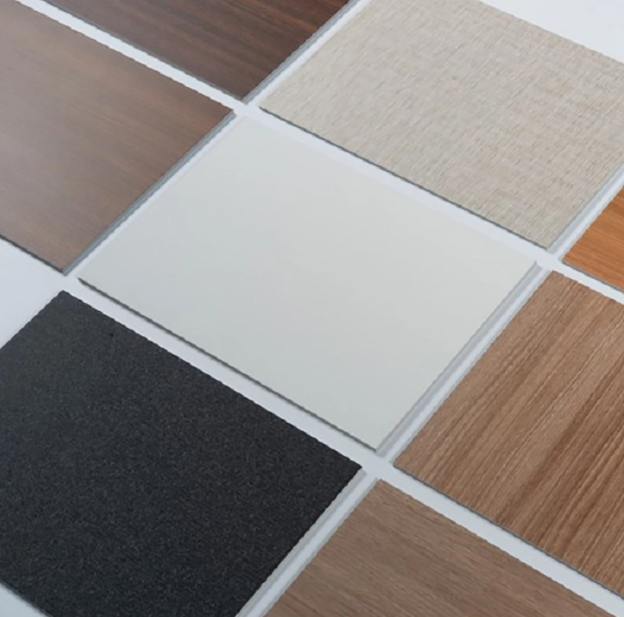
ACPs bring a modern and sleek appearance to any building. Their clean lines and smooth surfaces are perfect for creating contemporary, stylish facades. Available in a range of finishes, ACPs can complement various architectural styles, from minimalistic modern designs to more traditional facades that require a contemporary touch.
Benefits:
Enhance the visual appeal of a building with a modern, polished look.
Available in a variety of customizable colors and finishes to match any design concept.
ACPs are not only lightweight, but they are also easy to install, making them a cost-effective choice for both new constructions and renovations. The panels are pre-fabricated, reducing the time spent on-site, which in turn lowers labor costs. Their ease of installation allows for quick turnaround times, making ACPs an attractive choice for architects on tight schedules.
Benefits:
Reduced labor costs due to quick and easy installation.
Fast project timelines due to the panel’s ease of handling and installation.
When time is a constraint, ACPs provide an efficient, cost-effective solution for architects and builders.
Sustainability is a growing concern in the construction industry, and ACPs meet several environmentally responsible criteria. The panels are made from recycled aluminum and can be fully recycled at the end of their lifecycle. Moreover, the use of ACPs in ventilated facades improves a building’s energy efficiency, reducing its carbon footprint.
Benefits:
Made from recycled aluminum, ACPs contribute to reducing environmental waste.
Fully recyclable at the end of their lifespan, supporting a circular economy.
Choose ACPs for projects seeking green building certifications such as LEED or BREEAM.
ACPs are widely used in ventilated facades, where they play a critical role in improving energy efficiency and aesthetic appeal. These panels act as an external barrier, protecting the building from extreme weather conditions while also improving thermal insulation.
Benefits:
Enhance energy efficiency by reducing heat transfer and lowering energy consumption.
Protect facades from the elements, extending the life of the building.
The smooth, printable surface of ACPs makes them an ideal choice for signage and advertising boards. Their resistance to UV rays and weathering ensures that graphics and text remain vibrant and legible, even in harsh outdoor conditions.
Benefits:
Long-lasting signage that maintains its appearance over time.
Versatile for commercial signage, offering creative flexibility in design.
ACPs aren't just for exteriors; they're also perfect for interior applications. Whether used for wall cladding, room dividers, or suspended ceilings, these panels offer a clean, modern aesthetic. Their durability and ease of maintenance make them suitable for both residential and commercial interiors.
Benefits:
Enhance interior aesthetics with a modern, streamlined appearance.
Durable, low-maintenance option for high-traffic areas.
When comparing ACPs to solid aluminum sheets, ACPs come out ahead in terms of cost and weight. While solid aluminum is stronger, ACPs offer similar durability at a fraction of the cost and weight, making them more suitable for large-scale building projects. For cost-sensitive projects, ACPs offer a practical alternative to solid aluminum, without compromising performance.
ACPs are often compared to stainless steel for their durability and visual appeal. While stainless steel is highly durable, ACPs provide a more cost-effective solution without sacrificing strength or aesthetics. ACPs also offer greater design flexibility, making them ideal for architectural designs that require custom shapes and finishes.
One of the key selling points of ACPs is their ability to be fully customized. From RAL to PANTONE colors, architects can choose the perfect hue for their project. The finish options range from matte to glossy, providing flexibility for any design style. Customization options ensure that ACPs can align perfectly with a project's unique design vision.
The use of recycled aluminum in ACPs supports the global push toward sustainability in construction. These panels can be reused or fully recycled, reducing environmental impact and waste.
By incorporating ACPs into building designs, architects can significantly improve a building's energy performance, which is crucial for obtaining green building certifications like LEED and BREEAM.
Aluminum composite panels (ACPs) provide an exceptional combination of aesthetics, strength, and sustainability. Their design versatility, easy installation, and long-term durability make them the go-to choice for modern architectural projects. Whether used for facades, signage, or interior design, ACPs offer a cost-effective and environmentally friendly solution.
For your next construction project, consider using ACPs to boost design flexibility, enhance energy efficiency, and reduce long-term costs. MC BOND offers premium ACP products that cater to the needs of architects and builders, delivering quality and value in every project. MC BOND provides innovative and reliable solutions for your building design needs, ensuring lasting results.
A: Aluminum composite panels (ACPs) are construction materials made of two aluminum sheets surrounding a core material, offering a combination of lightness, strength, and durability. They are widely used in architectural facades, signage, and interior cladding.
A: ACPs provide durability, low maintenance, and energy efficiency. Their versatility in design and ease of installation make them ideal for both aesthetic and functional applications in modern buildings.
A: Aluminum composite panels are easy to install due to their lightweight nature. They can be mounted using various systems like T-CH-PRO, ensuring quick installation with minimal disruption.


