
Views: 0 Author: Site Editor Publish Time: 2025-09-10 Origin: Site


Have you ever wondered how modern buildings achieve their stunning facades? One key player is the aluminum composite panel. These innovative materials consist of two outer aluminum layers and a core, offering lightweight durability and aesthetic appeal.
In this article, we’ll explore what aluminum composite panels are, their unique properties, and the core materials used in their construction. You’ll learn how these panels are transforming architecture and design.
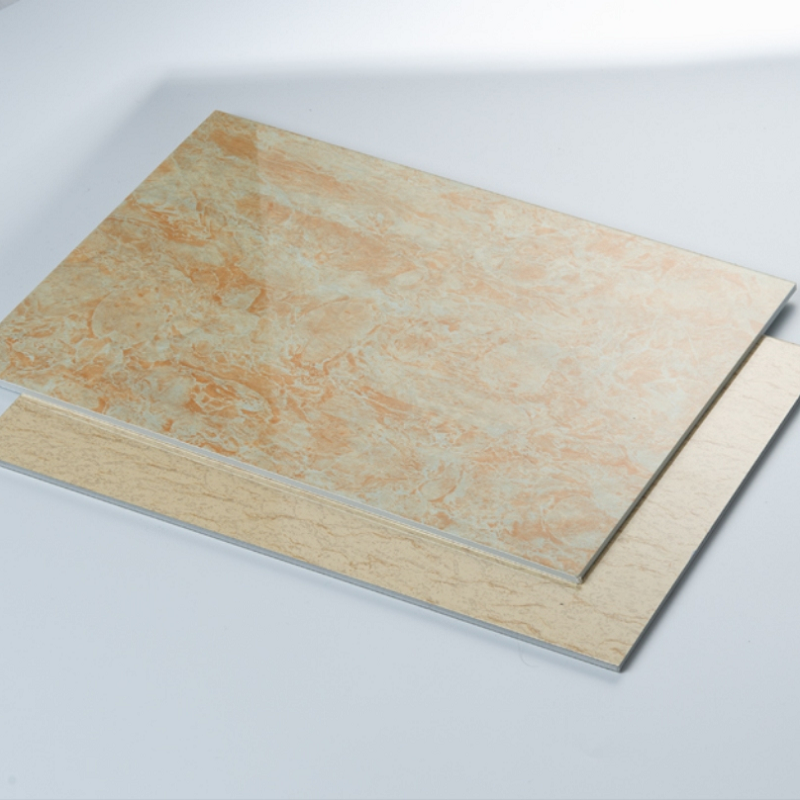
Aluminum composite panels, often referred to as ACPs, are versatile building materials. They consist of two thin layers of aluminum enclosing a non-aluminum core. This unique structure gives them remarkable properties.
● Outer Layers: The exterior is made from aluminum, which provides durability and aesthetic appeal.
● Core Material: The core can vary, but it typically includes materials like polyethylene or fire-resistant substances.
Aluminum composite panels boast several key benefits:
● Lightweight: Despite their robust appearance, they are surprisingly light, making installation easier.
● Durable: These panels resist weather, corrosion, and impact, ensuring longevity.
● Aesthetic Appeal: Available in various colors and finishes, they can enhance any architectural design.
The core material is crucial for the performance of aluminum composite panels. It affects weight, insulation, and fire resistance.
1. Polyethylene (PE):
a. Lightweight and cost-effective.
b. Commonly used in non-fire-rated applications.
2. Fire-Resistant Core:
a. Made from mineral-filled materials.
b. Designed to meet safety regulations in high-risk environments.
Core Material | Weight | Fire Rating | Common Uses |
Polyethylene (PE) | Light | Non-fire-rated | Interior applications |
Fire-Resistant Core | Moderate | Fire-rated | High-rise buildings |
These panels are not just functional; they also contribute to the overall design aesthetics of buildings. Their unique combination of materials allows for creative applications in both exterior and interior settings.
Whether you’re looking for a lightweight solution or something that meets fire safety standards, aluminum composite panels offer options tailored to various needs.
Aluminum composite panels (ACPs) have gained immense popularity in construction and design. Here’s why they stand out:
● High Strength-to-Weight Ratio:
They are incredibly strong yet lightweight. This makes them easy to handle and install.
● Weather Resistance and Durability:
ACPs can withstand harsh weather conditions, including rain, snow, and UV exposure. Their durability ensures they maintain their appearance over time.
● Aesthetic Versatility:
Available in a wide range of colors, finishes, and patterns, ACPs can complement any architectural style. Designers love the flexibility they offer.
● Environmental Benefits:
These panels are often made from recyclable materials. Their long lifespan also reduces the need for replacements, making them eco-friendly.
One of the standout features of aluminum composite panels is their self-cleaning ability. This is primarily due to advanced nano-coatings applied to their surfaces.
● What Are Nano-Coatings?
Nano-coatings are extremely thin layers applied to the surface of ACPs. They create a hydrophobic effect, causing water to bead up and roll off.
● Benefits of Nano-Coatings:
○ Reduced Cleaning Efforts: Dirt and grime are less likely to adhere, making maintenance easier.
○ Enhanced Longevity: By minimizing the buildup of contaminants, these coatings help preserve the panel's appearance.
○ Improved Aesthetic Appeal: The shiny, clean surface enhances the overall look of buildings.
Characteristic | Description |
High Strength-to-Weight Ratio | Strong yet lightweight, ideal for various applications. |
Weather Resistance | Protects against rain, snow, and UV rays. |
Aesthetic Versatility | Available in diverse colors and finishes. |
Environmental Benefits | Made from recyclable materials, promoting sustainability. |
Self-Cleaning Properties | Nano-coatings reduce dirt adhesion and maintenance. |
These key characteristics make aluminum composite panels a top choice for architects and builders. Their unique properties not only enhance functionality but also contribute to the beauty of structures.
Aluminum composite panels (ACPs) are transforming the architectural landscape. Their versatility makes them ideal for various applications, enhancing both function and design.
Curtain walls are non-structural outer coverings of a building. ACPs are commonly used in these systems.
● Benefits of Using Aluminum Composite Panels for Curtain Walls:
○ Lightweight: Reduces the overall load on the building structure.
○ Aesthetic Appeal: Offers sleek, modern looks that can be customized.
○ Durability: Resists weathering and maintains its appearance over time.
● Examples of Modern Buildings Utilizing These Panels:
○ The Edge in Amsterdam: Features a stunning curtain wall made of ACPs.
○ One World Trade Center in New York: Showcases the strength and beauty of aluminum composite panels.
Aluminum composite panels provide architects with incredible design flexibility.
● Role in Enhancing Building Appearance and Protection:
○ ACPs add a contemporary aesthetic while protecting the building from the elements.
● Resistance to Extreme Weather and Self-Cleaning Properties:
○ They withstand heavy rain, snow, and harsh sunlight. Plus, their self-cleaning properties reduce maintenance costs.
ACPs are designed to resist UV radiation, ensuring longevity. Their coatings prevent fading and deterioration, keeping buildings looking new.
Aluminum composite panels are also popular for interior applications.
● Uses in Wall Cladding, Ceiling Decoration, and Partitions:
○ They can be used creatively in various spaces, adding style and functionality.
● Customization Options Through Digital Printing:
○ Digital printing allows for unique designs, patterns, and textures. This opens up endless possibilities for interior aesthetics.
1. Bold Colors and Textures:
Architects are opting for vibrant colors to make statements.
2. Geometric Patterns:
Unique shapes and patterns are trending, adding visual interest.
3. Eco-Friendly Designs:
More projects focus on sustainability, using recyclable materials.
Application | Benefits |
Curtain Walls | Lightweight, aesthetic appeal, durability |
Exterior Cladding | Protects against weather, enhances appearance |
Interior Decoration | Versatile uses, customization options |
Aluminum composite panels are redefining architectural possibilities. Their unique characteristics make them an essential choice for modern buildings.
Aluminum composite panels (ACPs) are an excellent choice for signage. Here’s why they are so popular:
● Advantages of Flat and Smooth Surface for Printing:
ACPs provide a perfectly flat surface, which is ideal for high-quality printing. This ensures vibrant colors and sharp images.
● Durability Against Fading, Scratching, and Denting:
These panels are tough. They resist fading from sunlight and are less likely to scratch or dent compared to other materials. This makes them perfect for both indoor and outdoor use.
● Applications in Indoor and Outdoor Signage:
○ Storefronts: Attract customers with eye-catching signs.
○ Billboards: Large format prints that withstand the elements.
When it comes to printing on ACPs, several techniques are commonly used:
1. Digital Printing:
This method allows for detailed and colorful designs. It’s perfect for custom graphics and small runs.
2. Screen Printing:
Ideal for bold colors and large quantities, this technique is great for logos and simple designs.
3. Vinyl Application:
Vinyl graphics can be applied directly to the surface. This is a cost-effective option for temporary signage.
Printing Technique | Best For |
Digital Printing | Custom graphics, detailed designs |
Screen Printing | Bold colors, large quantities |
Vinyl Application | Cost-effective, temporary signage |
Aluminum composite panels are transforming the signage industry. Their unique properties make them the go-to choice for businesses looking to make a lasting impression.
Aluminum composite panels (ACPs) are increasingly utilized in various industrial environments. Their versatility and durability make them a top choice for many applications.
● Protection Against Dust, Moisture, and Minor Impacts:
ACPs serve as effective barriers for machinery. They keep dust and moisture out, ensuring optimal performance. Plus, they can withstand minor impacts, which helps protect sensitive equipment.
● Customizability for Specific Machinery Needs:
These panels can be tailored to fit different machinery. Whether it’s a unique shape or size, ACPs can be customized to meet specific requirements.
Using aluminum composite panels offers several benefits compared to traditional materials:
1. Lightweight:
ACPs are lighter than steel or solid aluminum, making them easier to handle and install.
2. Corrosion Resistance:
They resist corrosion, which is crucial in industrial settings where exposure to chemicals is common.
3. Cost-Effective:
ACPs often cost less in the long run due to their durability and low maintenance requirements.
Aluminum composite panels play a significant role in transportation infrastructure.
● Use in Public Transport Facilities:
They are commonly found in bus shelters and railway stations. Their sleek appearance enhances the visual appeal of public spaces.
● Benefits of Durability and Aesthetics in Public Spaces:
ACPs not only look good but also withstand harsh weather conditions. This durability ensures that public transport facilities remain functional and attractive over time.
1. Impact Resistance:
ACPs can absorb impacts, protecting passengers and infrastructure.
2. Fire Resistance:
Many ACPs have fire-retardant properties, adding an extra layer of safety in public spaces.
3. Visibility:
Brightly colored panels improve visibility, making it easier for commuters to navigate transport facilities.
Application Area | Benefits |
Machine Enclosures | Dust protection, customizability |
Transportation Infrastructure | Aesthetic appeal, weather resistance |
Safety Features | Impact resistance, fire safety |
Aluminum composite panels are revolutionizing industrial applications. Their unique properties make them a reliable choice for enhancing functionality and safety in various settings.
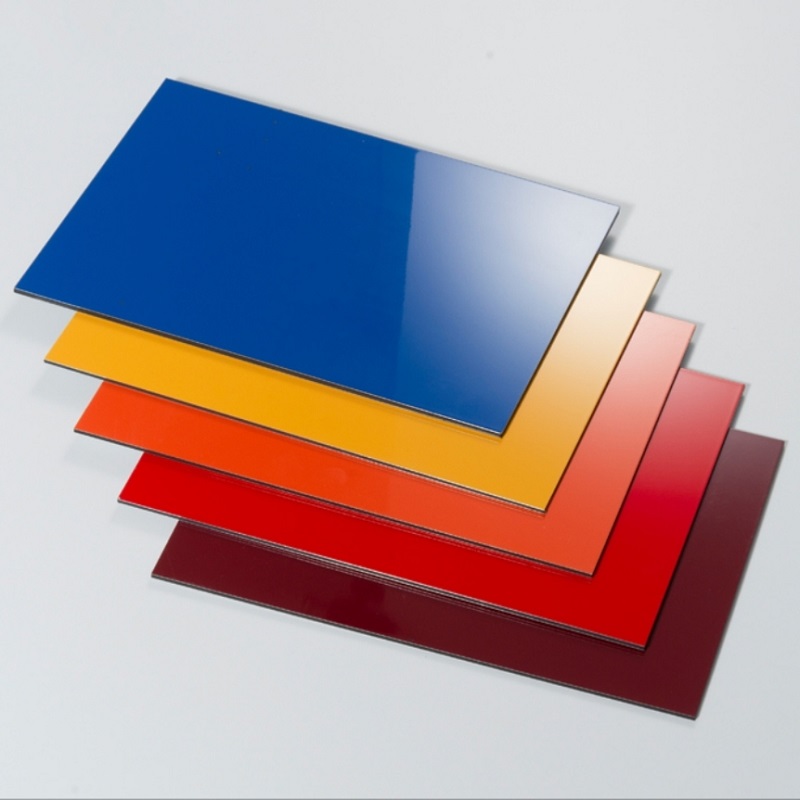
When considering materials for construction and design, aluminum composite panels (ACPs) stand out. Let’s compare them to traditional materials and other composite options.
● Weight and Installation Convenience:
ACPs are significantly lighter than brick or stone. This makes installation much easier and faster. Fewer structural supports are needed, saving time and labor costs.
● Weather Resistance Advantages:
While brick and stone can weather over time, ACPs are designed to resist fading, moisture, and corrosion. This durability ensures they maintain their appearance and functionality longer.
1. Initial Costs:
Although the upfront cost of ACPs may be comparable to brick and stone, the savings in installation and maintenance can be substantial.
2. Maintenance Costs:
ACPs require less maintenance over time. Unlike brick and stone, which may need repairs or replacement, ACPs can last for years with minimal upkeep.
● Cost-Effectiveness and Performance Balance:
When stacked against other composites, ACPs often provide a better balance of cost and performance. They deliver excellent durability and aesthetic appeal without breaking the bank.
● Environmental Considerations in Terms of Recyclability:
ACPs are recyclable, making them a more environmentally friendly option compared to some other composite materials. This is an important factor for eco-conscious projects.
Material Comparison | Weight | Weather Resistance | Maintenance | Recyclability |
Aluminum Composite Panels | Lightweight | High | Low | Yes |
Brick and Stone | Heavy | Moderate | Moderate to High | No (limited) |
Other Composite Materials | Varies | Varies | Varies | Depends on material |
Aluminum composite panels provide a compelling alternative to traditional materials. Their unique advantages make them a smart choice for many applications, from aesthetics to functionality.
A: Aluminum composite panels require minimal maintenance. Regular cleaning with mild detergent and water is usually sufficient to keep them looking new.
A: Yes, aluminum composite panels are recyclable, making them an environmentally friendly option for construction.
A: Many aluminum composite panels have fire-retardant properties, enhancing safety in various applications.
A: Aluminum composite panels typically have a lifespan of 20 to 30 years, depending on environmental conditions.
A: Consider factors like thickness, finish, color, and specific application needs to select the appropriate panel.
A: A common misconception is that ACPs are not durable; however, they are designed to withstand harsh weather and impacts.
Aluminum composite panels are highly versatile materials. They are used in construction, signage, and interior design. Their lightweight nature and durability make them ideal for many applications.
Using aluminum composite panels offers numerous benefits. They provide weather resistance, low maintenance, and aesthetic appeal. These advantages make them a preferred choice across various industries.


